Silver Price Nears $64 as Fed Debate Intensifies
Daily News Nuggets | Today’s top stories for gold and silver investors
December 15th, 2025
Silver Nears $64 as Gold Pushes to $4,350 in Year-End Rally
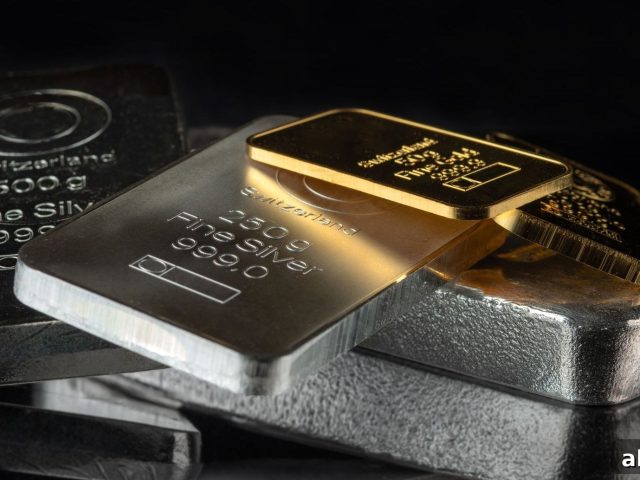
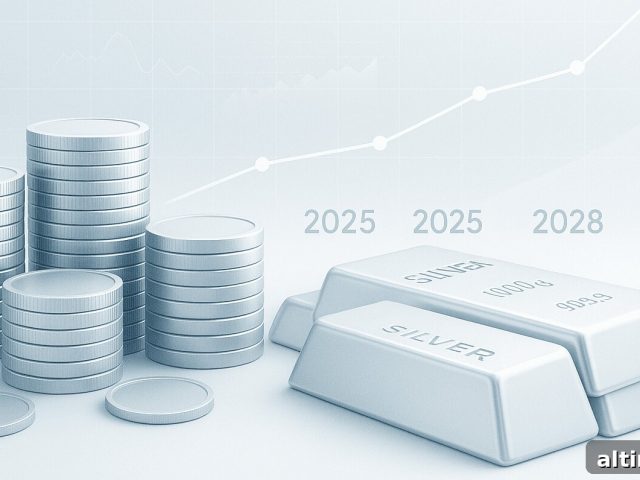
Silver is closing in on $64 an ounce while gold approaches the $4,350 level as traders chase fresh record highs. The metals rally has accelerated into year-end amid softer Treasury yields and rising market expectations that the Federal Reserve’s next rate cut is closer than previously priced.
Silver has emerged as the standout this year, benefiting from a rare confluence of factors: robust industrial demand for the metal’s use in electronics and clean-energy applications, and renewed investor interest in hard assets as a hedge against macroeconomic uncertainty. Gold’s advance toward new highs has been supported by weaker real yields and heightened safe-haven flows.
Momentum buying is part of the story, but the move also reflects a broader rotation into assets that do not depend on counterparty promises. With volatility elevated across stocks and bonds, many investors are reallocating into precious metals that historically retain value when economic signals become murky. When both monetary drivers and industrial demand align — as with silver — price moves can be particularly pronounced.
For traders and longer-term holders alike, the key dynamics to watch include real interest rates, central bank guidance on policy, and demand from industrial sectors tied to clean technology. If real yields continue to fall or inflation concerns resurface, the metals rally could sustain further upside as the market prices in more accommodative monetary policy.
A Big Tuesday Ahead: Markets Brace for Two Jobs Reports
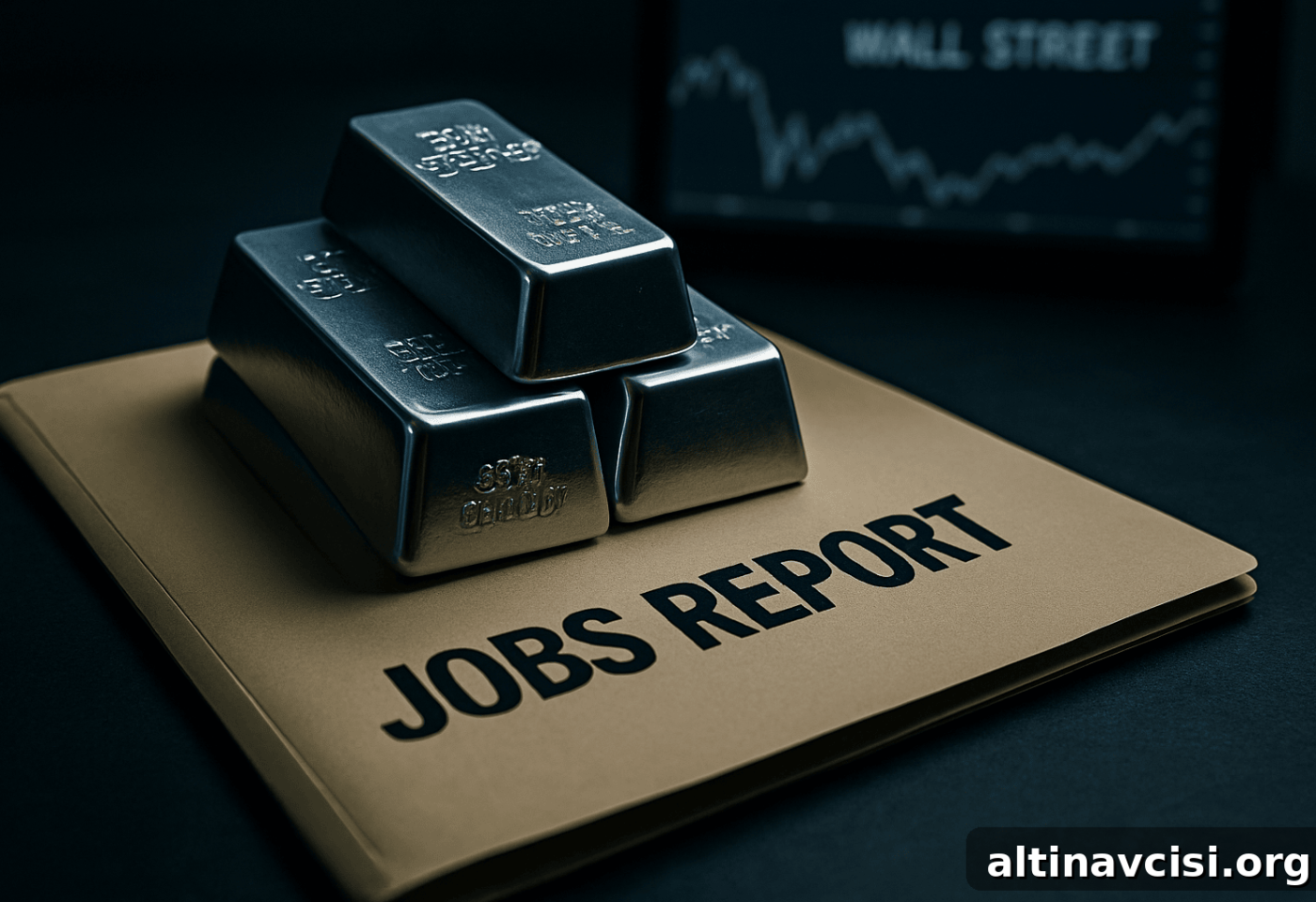
Wall Street is preparing for an unusual double release of employment data on Tuesday, when both the JOLTS job openings report and the ADP private payrolls figure are scheduled for the same morning. That coincidence intensifies market focus because the labor market sits at the center of the Federal Reserve’s decision-making process.
Economists generally expect job openings to trend lower, a sign of gradual cooling rather than collapse in hiring demand. ADP’s private payrolls measure is forecast to show continued hiring, though wage dynamics remain uncertain and are an important swing factor for inflation expectations.
Investors will be watching for confirmation that labor-market momentum is slowing. Softer-than-expected data would reinforce sentiment that rate cuts are more likely in the months ahead, which typically supports precious metals by lowering the opportunity cost of holding non-yielding assets. Conversely, a surprising upside in employment or wages would drive volatility as markets reassess the likely path for rates and economic growth.
Korea Zinc Weighs U.S. Joint-Venture Smelter to Tap IRA Incentives
Korea Zinc, the world’s largest lead and zinc producer, is reportedly evaluating plans to build a smelter in the United States through a federal joint-venture structure. The objective would be to qualify more production for Inflation Reduction Act (IRA) incentives and to strengthen North American processing capacity for minerals used in batteries, solar panels, and electronics.
The proposal, still at the board discussion stage, reflects a wider policy push to expand domestic processing and secure supply chains for critical minerals. For the metals markets, any meaningful reallocation of refining and smelting capacity can change regional supply balances and trading flows. While this development is not directly about gold or silver, it highlights a structural theme: governments and producers are prioritizing resource security and reducing dependence on single-source processing hubs.
Investors should view such moves as part of a broader shift that can influence sentiment across commodity markets. When nations seek to onshore processing, the result can be tighter supply chains, shifting trade patterns, and increased geopolitical sensitivity — all of which tend to support hard-asset prices over time.
Oil Climbs on U.S.–Venezuela Tensions, Raising Inflation Concerns
Crude prices rose sharply after the United States signaled a possible tightening of sanctions on Venezuela amid escalating diplomatic tensions. Brent crude surpassed the $80-per-barrel level as traders priced in the risk of supply disruptions to an already stressed energy market.
Rising energy costs pass through the economy quickly, lifting transportation and production costs and pressuring corporate margins. That dynamic can rekindle inflation concerns at a time when central banks are trying to steer inflation lower. The bond market has already shown a response, with measures of inflation expectations moving higher in reaction to the oil surge.
If oil prices remain elevated, policymakers could face a sharper trade-off between containing inflation and supporting growth. Historically, episodes of energy-driven inflation have increased demand for safe-haven assets like gold, particularly when real yields fall or when price pressures outpace yield gains.
Fed’s Miran Argues Inflation Isn’t What It Seems — Policy “Too Tight”
Federal Reserve Governor Stephen Miran reiterated his view that current inflation readings overstate underlying economic pressures and that policy may still be overly restrictive. He has argued that components such as shelter and certain services measures are temporary or statistical quirks rather than signs of broad-based overheating.
Miran expects shelter inflation to moderate as pandemic-era imbalances normalize, and he sees cooling labor-market conditions restraining services inflation. He has dissented at recent Federal Open Market Committee meetings in favor of larger and faster rate reductions than the committee ultimately adopted, reflecting a dovish perspective that emphasizes downside risks to growth.
For precious metals, Miran’s stance adds weight to the case for deeper rate cuts ahead — a trajectory that has helped fuel the current rally. Market participants will watch Fed communication closely for any shift in the balance of risks between inflation and growth when assessing prospects for gold and silver.
The Financial System Isn’t Safer — And You Know It
As systemic risks accumulate, many investors are re-evaluating portfolio exposure and seeking assets that can perform during periods of market stress. Gold and silver remain central to that conversation: they are widely held as hedges against currency weakness, inflation surprises, and geopolitical risk. Analysts expect demand for both metals to remain elevated into 2026 as investors balance growth, inflation, and policy uncertainty.
If you follow precious metals or manage exposure to hard assets, staying informed on macro drivers — central bank policy, inflation trends, employment data, and geopolitical developments — will be essential. These factors will continue to shape price action and investor flows in gold and silver.
Popular Topics
Picked from the archive
-
01
 Topics
Reuters Poll: Flight to Safety Boosts Gold and Silver Forecasts
-
02
Topics
Silver Pauses After 100% Rally as Gold Traders Watch Fed
-
03
Topics
Markets Flee Risk as US-Iran Tensions Lift Dollar, Push Oil
-
04
Topics
World Gold Council Says Gold Tariffs Unlikely but Possible
-
05
Topics
Why Big Banks Predict Gold Prices Over $6,000
-
06
Topics
Swiss Gold Exports Surge to the US Ahead of 39% Tariff
-
07
Topics
Gold Hits Five-Week High on Trade Uncertainty, Weak Dollar
-
08
Topics
Tariff Deadline Fears Push Gold Prices Up as Other Metals Slide