US Copper Price Surge Threatens Business Costs
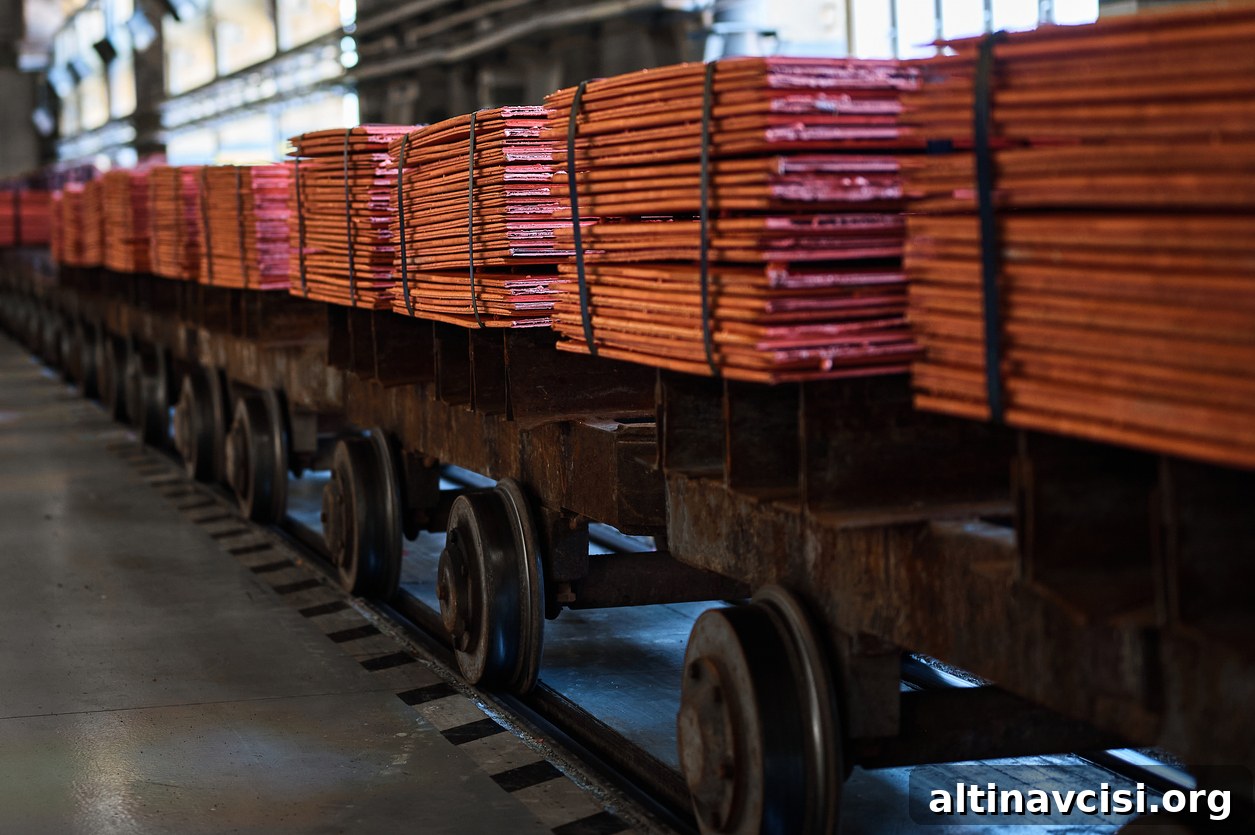
U.S. Copper Prices Soar After Proposed 50% Tariff on Imports
U.S. copper prices surged to record highs after President Trump unveiled a plan to impose a 50% tariff on copper imports. The proposal, intended to encourage greater domestic production, has already produced an immediate shock in commodity markets: prices on the Comex jumped 13% in a single day, far outpacing global benchmarks.
Although the tariff is framed as a way to rebuild domestic mining and refining capacity, industry experts caution that significantly expanding U.S. copper output will take years. The United States currently depends on imports for nearly half of its copper needs, and that structural reliance cannot be reversed quickly. Even with new investment and permitting, the timeline for bringing major mining or smelting projects on line is measured in years rather than months.
The proposal has also created an unusually wide premium between U.S. copper prices and global copper benchmarks. That premium — the extra cost paid for copper delivered into U.S. markets relative to prices elsewhere — has reached unprecedented levels. Analysts warn that this divergence will have immediate and downstream consequences for manufacturers, builders, utilities and the broader economy.
Manufacturers that rely on copper for wiring, electronics, motors and industrial equipment face higher input costs that will either reduce margins or be passed on to customers. Construction projects, which use copper extensively in electrical, plumbing and HVAC systems, are likewise vulnerable: higher material costs can delay projects, trim profit margins for contractors, and in some cases make smaller or marginal projects uneconomical to proceed.
Beyond direct cost impacts, there are broader risks to supply chains. A sharply higher U.S. price relative to global markets encourages rerouting of shipments, hoarding, and potentially supply distortions as traders and buyers respond to the new tariff architecture. Some buyers may accelerate purchases ahead of tariff implementation, creating a short-term spike in demand followed by a potential slowdown. Others will seek substitutes or increased recycling of copper scrap to reduce exposure to higher import costs.
For downstream industries — from appliance makers to auto manufacturers — the tariff-driven price shock could contribute to higher finished-goods prices and add to inflationary pressures already felt across the economy. Smaller manufacturers with limited ability to pass higher raw-material costs to customers are particularly exposed; they may reduce production, delay hiring, or absorb costs at the expense of profitability.
At the same time, domestic copper producers are likely to benefit from higher realized prices in the U.S. market. That could spur investment in domestic mines and processing facilities over the long term. However, converting that incentive into increased output is constrained by geological, environmental, regulatory and labor factors that cannot be sped up without significant policy and financial commitments. In other words, higher prices can encourage domestic production, but they are not a quick fix for immediate supply shortages.
Policymakers and business leaders face trade-offs. A heavy tariff can protect and potentially grow domestic industry over time, but it also imposes higher costs on manufacturers, construction projects and consumers in the near term. Some mitigating options could include phased implementation, targeted exemptions for critical industries, or strategic releases from public and private inventories to smooth market disruption — each with its own economic and political implications.
The rapid 13% intraday jump on the Comex signals how sensitive copper markets are to policy shifts and expectations about future availability. Markets will likely remain volatile as participants reassess inventories, shipping flows, and the feasibility of expanding U.S. production. For now, businesses that use copper intensively will need to evaluate procurement strategies, hedging approaches and potential cost-saving measures such as increased recycling or substitution where feasible.
In summary, the proposed 50% tariff on copper imports has driven U.S. copper prices to record levels and widened the gap between domestic and global prices. While the objective of strengthening domestic production is clear, experts emphasize that meaningful increases in U.S. copper output will take years to materialize. Meanwhile, manufacturers, construction firms and the broader economy are likely to face higher costs and supply-chain disruption in the near term as markets adjust to the new policy environment.
Popular Topics
Picked from the archive
-
01
 Topics
Gold Drops from Record Highs as Global Trade Relations Improve
-
02
Topics
Oil Posts Largest Monthly Drop Since 2022 as Prices Stabilize
-
03
Topics
Fed Says It’s Poised to Wait as Trade Policy Remains Unclear
-
04
Topics
Australia’s Central Bank Delays Rate Cut as Inflation Eases
-
05
Topics
Foreign Treasury Selloff Threatens U.S. Borrowing Costs
-
06
Topics
US Credit Downgrade Sparks Gold Price Rally
-
07
Topics
Gold Falls Below USD 3,350 After Strong US Jobs Report
-
08
Topics
Kevin O’Leary Rejects Wall Street’s 2025 Recession Forecast