Gold Surpasses Euro to Become Second Largest Reserve Asset
Central Banks Slow Gold Purchases, but Demand and Prices Remain Supported
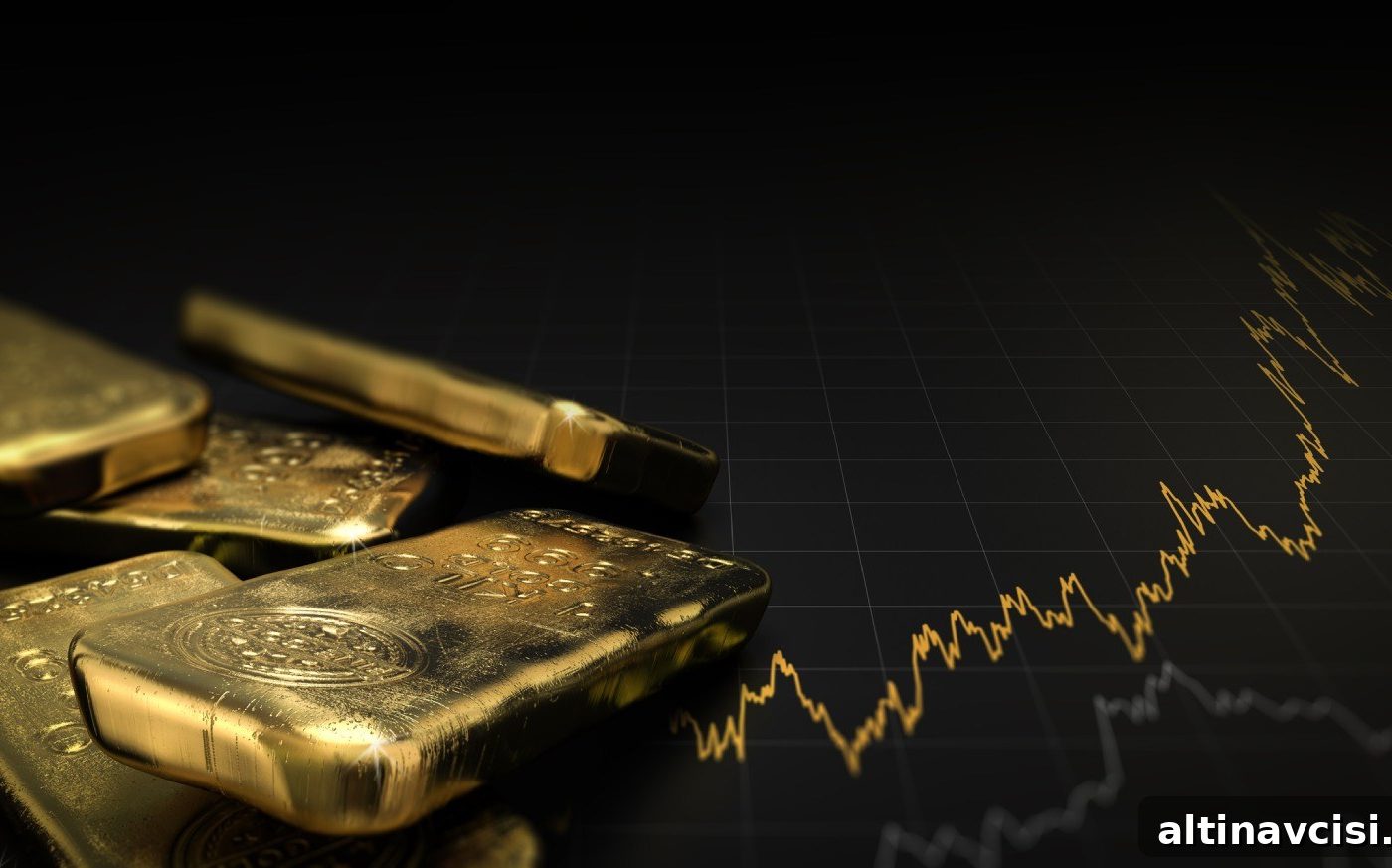
Central banks have recently reduced the pace of their gold acquisitions, with purchases dropping about 33% quarter-on-quarter in early 2024. That slowdown is partly explained by fewer or smaller purchases from some of the largest buyers, including China. Yet this pullback in the immediate pace of buying does not appear to signal a permanent retreat from gold as a core reserve asset.
The broader context helps explain why central banks continue to view gold as an important part of their foreign-exchange reserves. Growing doubts about the long-term stability of the U.S. dollar’s role as the dominant global reserve currency have encouraged many institutions to rebalance toward non-dollar holdings. In addition, geopolitical tensions and the increasing use of economic sanctions have prompted several countries to reduce exposure to dollar-denominated assets and seek alternatives that can preserve purchasing power and provide insurance against financial restrictions.
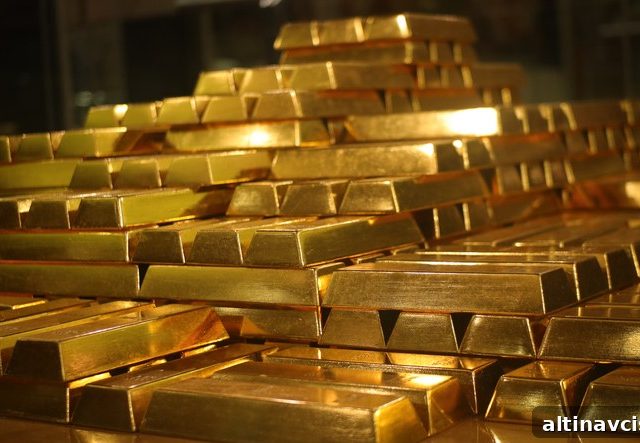
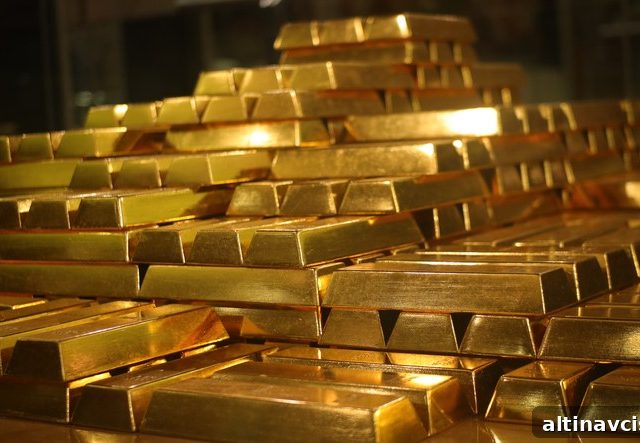
In 2024 gold overtook the euro to become the world’s second-largest reserve asset, reflecting both sustained institutional demand and strong market performance. On a price basis, gold is up more than 25% for the year, underscoring investor appetite for precious metals amid uncertainty. That performance has reinforced central banks’ interest, even as some scaled back immediate purchases compared with recent quarters.
Analysts point to several factors that are likely to maintain central-bank interest in gold over the medium term. Persistent economic uncertainty, concerns about inflation or renewed inflationary pressure, and ongoing geopolitical risks all contribute to gold’s appeal as a portfolio diversifier and a hedge against currency depreciation. Unlike reserve assets tied to a single sovereign currency, gold offers a degree of independence from monetary policy decisions and political disputes.
Supply-side dynamics also support a favorable outlook for gold prices. Physical gold is a finite resource, and new production increases only gradually. At the same time, institutional demand—coming from central banks, sovereign wealth funds, and large investors—has been relatively steady. That combination of limited incremental supply and continued buying interest makes it plausible that prices will trend higher over time, even if the rhythm of purchases moderates from the recent surge.
It is important to distinguish between a temporary slowdown in quarterly purchases and a longer-term strategic shift. Central banks typically manage reserves with multi-year horizons and adjust allocations according to changing risk assessments, balance-sheet needs, and the international policy environment. Short-term variations in purchase volumes can reflect tactical choices, market conditions, or timing, rather than a change in strategic intent.
Market observers note that central-bank gold buying is only one component of total demand. Private investors, exchange-traded funds, jewelry demand, and industrial uses also influence the overall supply-demand balance. When institutional demand rises alongside constrained supply, markets can react strongly, amplifying price movements and reinforcing the narrative that gold is an effective diversification tool.
Looking ahead, the trajectory of gold prices and reserve allocations will depend on several interrelated variables: the direction of major currencies, the persistence of inflationary pressures, the evolution of geopolitical tensions, and the strategic choices made by large reserve managers. While the pace of quarterly purchases may ebb and flow, the underlying drivers that have pushed central banks toward greater gold holdings remain firmly in place.
In summary, although central-bank gold purchases have slowed from the unusually high levels seen in recent quarters, the combination of waning confidence in the dollar, institutional demand, limited supply, and macroeconomic uncertainty suggests that gold is likely to remain an important reserve asset. Market participants and policy makers will continue to monitor developments closely, but current trends point to sustained interest in gold as a stabilizing and diversifying element within global reserve portfolios.
Popular Topics
Picked from the archive
-
01
 Topics
Gold Prices Jump Near Record as Middle East Conflict Escalates
-
02
Topics
Gold Slips as US-China Trade Tensions Ease, Investors Eye Data
-
03
Topics
Trump’s Fed Attacks Raise European Alarm Over $245B US Gold
-
04
Topics
Gold Falls Below $3,300 as US-China Trade Hopes Rise
-
05
Topics
Oil Price Tops $65 as US-China Trade Talks Lift Markets
-
06
Topics
401(k) to Gold IRA Rollover: Secure Your Retirement with Gold
-
07
Topics
Fed’s Bowman and Waller Support Possible July Rate Cut
-
08
Topics
Gold Hits 70th Record High as Central Banks Dump Dollar Reserves