How to Choose the Right Gold IRA Storage Option
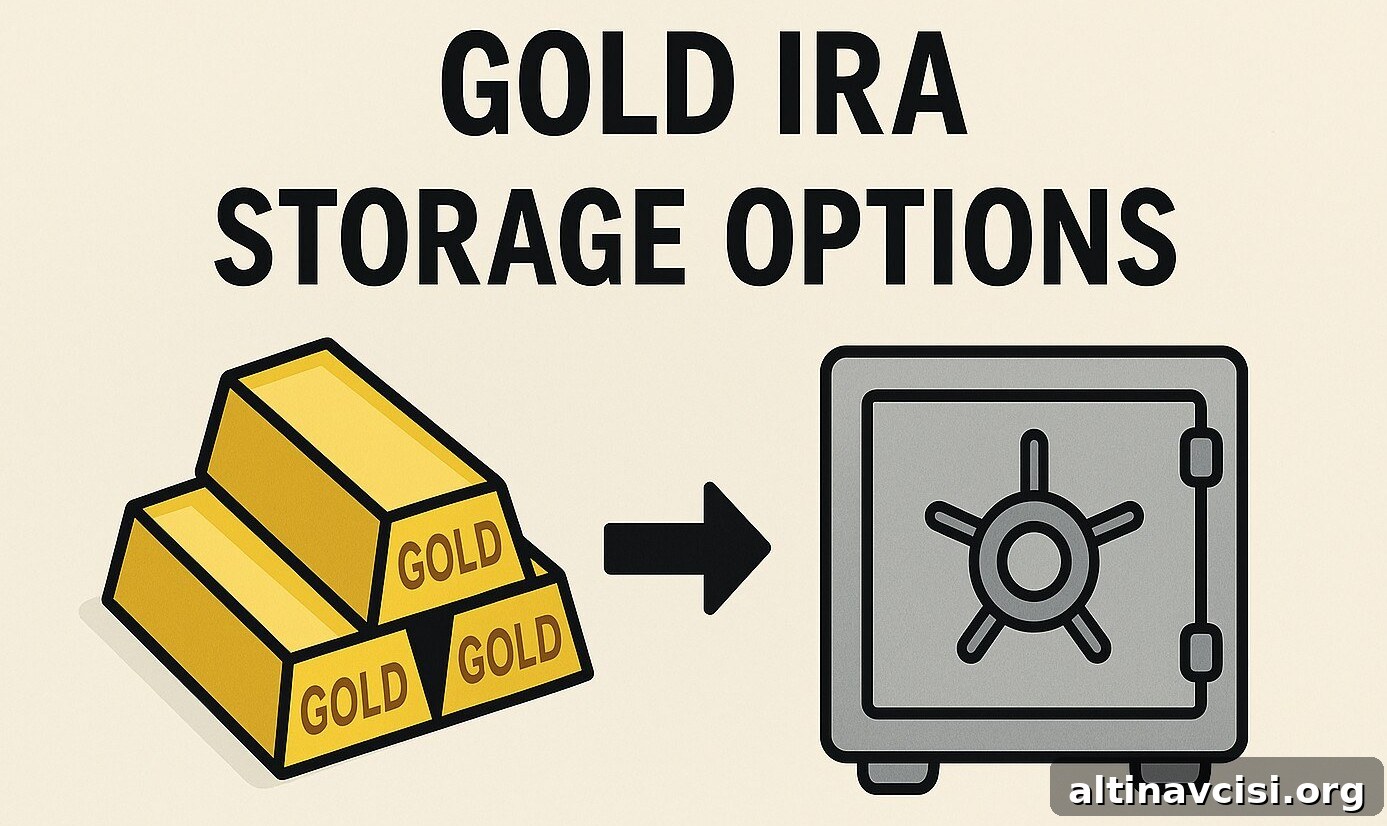
When investing through a Gold IRA, where you keep your precious metals can be just as important as which metals you buy. Your storage choice affects security, IRS compliance, potential tax advantages, and your overall peace of mind.
This guide explains the practical differences between storing gold at home and using a professional depository. You’ll learn the IRS requirements for retirement accounts, the main risks and benefits of each option, and which approach typically suits different types of investors.
If your metals are held inside a self-directed IRA, the answer is straightforward: IRS‑approved vault storage is the only compliant and reliable option for protecting retirement assets. For investors holding physical metals outside an IRA, discreet, secured home storage can be appropriate for modest personal holdings—but it carries important trade-offs.
Understanding Gold IRA Storage Requirements
The Internal Revenue Service requires that precious metals held in an IRA be maintained by a qualified trustee or custodian. Typical qualified custodians include banks, federally insured credit unions, savings and loan associations, and IRS‑approved non‑bank trustees or custodians. These custody rules preserve the tax‑advantaged status of an IRA by ensuring proper recordkeeping and preventing unauthorized personal use of retirement assets.
Failing to follow custody rules can have serious consequences. The IRS can reclassify improperly stored IRA metals as a distribution, which may trigger full taxation on the value of the assets and could result in additional penalties, including a 10% early withdrawal penalty if you are under age 59½.
The Reality of Home Storage IRAs
Some investors attempt to work around custody rules by using a self‑directed IRA that invests in an LLC, with the LLC purchasing metals that are then held at a business premises or in the owner’s control. While this arrangement might sound like a clever way to retain control, the IRS has frequently challenged such structures and often finds that personal possession—direct or indirect—violates IRA rules.
Common elements of these “home storage” strategies include:
- Establishing a self‑directed IRA that owns an LLC.
- Having the LLC buy and hold bullion or coins.
- Storing the metals at a location controlled by the IRA owner or a related party.
The practical risks associated with these setups include full taxation of the IRA, penalties for prohibited transactions, and the potential for costly legal disputes. For most retirement investors, these downsides outweigh any perceived benefit of direct access to the metals.
Vault Storage: The Compliant, Secure Alternative
IRS‑approved depositories and custodial vaults are specifically designed to meet the regulatory, security, and insurance requirements of retirement accounts. Professional vaults offer transparency, documented ownership records, and the separation of custodial duties from the investor’s personal control.
Two common storage methods:
- Allocated storage:
- Metals are stored separately and specifically identified as belonging to the individual account (by serial number, bar ID, or unique tag).
- Allocated storage typically carries higher custody fees but provides the highest level of assurance that the exact items you own are held for you.
- Commingled (unallocated) storage:
- Your ownership is recorded against a pool of similar metals rather than individually tagged pieces.
- This option is generally more cost‑efficient while still offering strong security, insurance, and audit trails.
Both allocated and commingled vault options provide insured, auditable custody with controlled access and professional handling. Choosing between them depends on priorities like cost, traceability, and liquidity.
Vault benefits include:
- 24/7 monitoring and strict access controls (often including armed security and biometric systems).
- Full insurance coverage for stored assets and routine third‑party audits.
- Disaster‑hardened facilities with geographic diversification to reduce risk from natural events.
- Simplified logistics for selling or transferring metals when needed.
Security: The Hidden Risk of Home Storage
Storing precious metals at home exposes investors to several physical risks that are often underestimated:
- Theft: Residential burglaries occur even when valuables are kept in safes.
- Disasters: Floods, fires, and earthquakes can destroy or damage stored metals.
- Insurance gaps: Standard homeowner policies often cap coverage for bullion at very low amounts, commonly between $1,000 and $2,500.
- Privacy and targeting: Public knowledge of holdings can increase the risk of becoming a target.
By contrast, professional vaults are built to hold large sums of assets securely, with multiple layers of protection, comprehensive insurance, and processes designed to minimize both physical and operational risk.
Making the Smart Storage Choice
Your ideal storage strategy depends on your objectives, the account type you use, and how much risk you are willing to accept. For retirement accounts, IRS‑approved depository storage is not optional—it’s required for compliance and to preserve tax advantages.
For people who want a small amount of metal for personal use, emergency preparedness, or immediate access and who are holding those metals outside an IRA, secure home storage can be a practical choice if you address insurance and security properly. However, for most investors seeking convenience, legal certainty, and maximum protection, professional vaulting is the safer, simpler option.
Conclusion: Store with Confidence
Keeping gold close at hand can feel reassuring, but when it comes to Gold IRAs, home storage introduces significant legal and physical risks. IRS‑approved depositories provide the compliance, security, and documentation your retirement assets require, without jeopardizing tax benefits.
If you’re opening a Gold IRA or reviewing your storage choices, prioritize an IRS‑compliant custodian and insured vault storage. That approach preserves tax advantages, reduces liability, and ensures your metals remain accessible and protected when you need them.

The Financial System Isn’t Safer — And You Know It
As risks mount, see why gold and silver remain valuable diversifiers.
Stay On Top of Gold & Silver Prices
Get market alerts and updates delivered to your inbox.
Disclaimer: This article is informational only and not financial advice. Past performance does not guarantee future results. Always perform your own research or consult a qualified financial advisor before making investment decisions.
Popular Topics
Picked from the archive
-
01
 Topics
Gold Prices Jump Near Record as Middle East Conflict Escalates
-
02
Topics
Gold Slips as US-China Trade Tensions Ease, Investors Eye Data
-
03
Topics
Trump’s Fed Attacks Raise European Alarm Over $245B US Gold
-
04
Topics
Gold Falls Below $3,300 as US-China Trade Hopes Rise
-
05
Topics
Oil Price Tops $65 as US-China Trade Talks Lift Markets
-
06
Topics
401(k) to Gold IRA Rollover: Secure Your Retirement with Gold
-
07
Topics
Fed’s Bowman and Waller Support Possible July Rate Cut
-
08
Topics
Gold Hits 70th Record High as Central Banks Dump Dollar Reserves