Gold Hits 70th Record High as Central Banks Dump Dollar Reserves
Why Gold’s Rally Matters: Central Banks, ETFs and Investment Opportunities
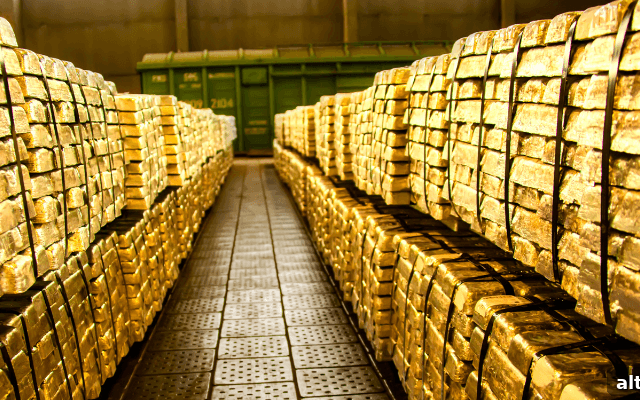
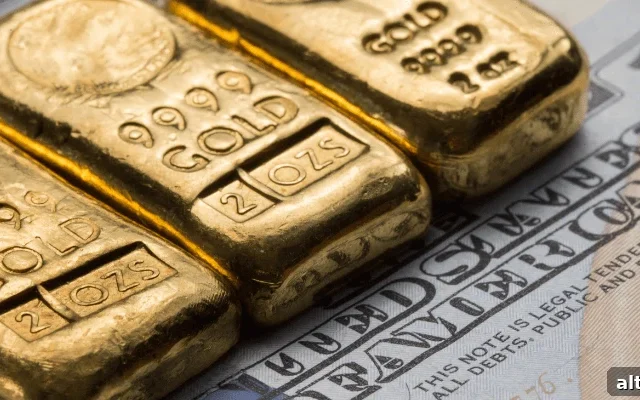
Gold has staged an extraordinary rally, recording nearly 70 fresh highs since early 2024 and delivering returns roughly eight times those of the S&P 500 over the same period. This performance reflects more than traditional safe-haven buying during market stress. Structural shifts in reserve management, geopolitical risk, and changing investor demand are driving sustained interest in the metal, creating a powerful multi-year narrative for gold as both a monetary asset and an investment exposure.
Central Bank Diversification and the Official Demand Surge
One of the clearest drivers behind the recent gold surge is a systematic shift among central banks away from exclusive reliance on U.S. dollar reserves. Concerns about fiscal positions, potential currency volatility and the risk of sanctions have pushed official-sector managers to diversify reserve assets. The decision by some governments to freeze foreign assets—most notably in the case of Russian reserves—triggered a dramatic response: official gold buying rose sharply, at one point increasing about five-fold. That surge underscores how geopolitics and policy actions can accelerate reserve reallocation and lift demand for physical metal.
China, in particular, has been an important buyer. The country has doubled its gold reserve allocation in recent years, yet its holdings still represent only about 7% of reserves compared with more than 70% exposure to foreign currency assets in many major Western economies. That disparity indicates a significant runway for further accumulation if policymakers continue to emphasize reserve diversification as part of financial security and independence strategies.
Retail Flows and the ETF Channel
Retail and institutional investors are also contributing to robust demand through exchange-traded funds (ETFs). While traditional Western ETF flows were long dominant, Asian inflows have recently outpaced North American flows as regional investors respond to local price trends, trade tensions and broader wealth accumulation. ETFs provide a convenient, liquid way for both individual and institutional buyers to gain exposure to gold without holding physical metal, reinforcing price momentum as inflows persist.
Price Momentum and Analyst Expectations
Prices climbed past $3,500 in April—well above many earlier 2025 forecasts—and analysts remain broadly bullish. For example, some sell-side forecasts, citing ongoing central bank purchases and persistent ETF inflows, have set year-end targets in the mid-$3,000s. These projections reflect the combined impact of official sector accumulation, retail demand, and a limited increase in available above-ground supply.
Beyond Passive Exposure: Active Strategies and Thematic Metal Plays
Investors who want more than passive bullion exposure can explore actively managed funds and wider metals trusts. Active managers may target undervalued mining equities that offer leverage to rising gold prices and potential operational improvements. Broader metals trusts and diversified commodity strategies can capture structural demand drivers beyond gold, including the materials needed for energy transition and advanced technology infrastructure. Although miners and diversified metal plays introduce additional risks—such as operational, political and execution risk—they also present opportunities for enhanced returns if metal prices and sector fundamentals improve.
When considering exposure to gold and related assets, investors should weigh the differences between holding physical bullion, investing in ETFs or buying mining equities. Each option carries distinct cost, liquidity and counterparty considerations. The current environment—marked by central bank diversification, heightened geopolitical sensitivity and strong retail flows—makes gold a prominent component of many asset-allocation conversations.
In summary, the recent gold rally is driven by deep, structural forces that extend beyond short-term market cycles. Central bank reserve reshuffling, especially amid sanctions and fiscal concerns, substantial retail ETF demand—now led in part by Asia—and the prospect of thematic metal demand tied to energy and technology trends all contribute to a constructive backdrop for gold and related investments.
Popular Topics
Picked from the archive
-
01
 Topics
S&P 500 Nears Record High Ahead of Key Inflation Data
-
02
Topics
Will the U.S. Penny Be Retired? What to Know
-
03
Topics
Swiss Gold Imports from US Surge to 12-Year High
-
04
Topics
What’s Driving Gold Volatility: Trade Tensions or Inflation?
-
05
Topics
Gold Rises as Investors Await Inflation Data and Trade Talks
-
06
Topics
Is Germany’s Gold Safe in US Custody Under Trump?
-
07
Topics
Gold Price Tops $3,300 as Markets Await Fed Decision
-
08
Topics
Dollar Slides as Markets Watch Critical US-China Trade Talks