Gold Prices Jump Near Record as Middle East Conflict Escalates
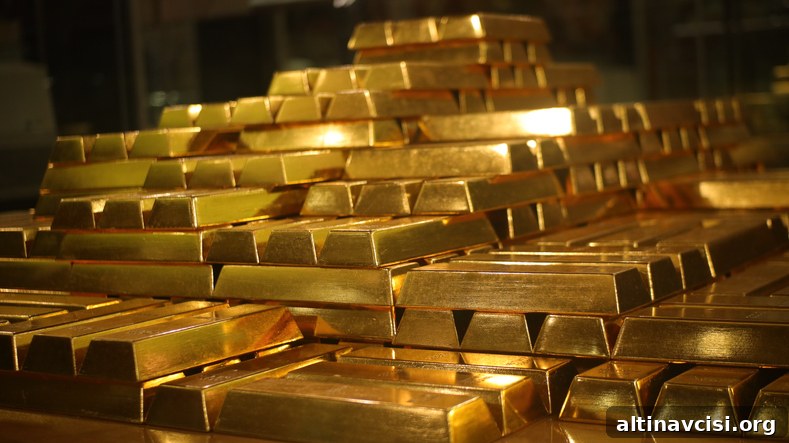
Gold Surges After Israel-Iran Clashes; Safe-Haven Demand and Fed Expectations Underpin Rally
Gold prices climbed sharply after reports of Israeli military strikes on Iranian nuclear sites, reflecting renewed safe-haven demand amid heightened geopolitical tensions. The precious metal rose as much as 1.7% intraday before settling off the session highs, trading roughly $80 below its April record of $3,500.10 per ounce. Year-to-date, gold has advanced about 30%, driven by a combination of political risk, central bank purchases and shifting expectations for U.S. monetary policy.
Geopolitical Fallout: Israel, Iran and Market Reactions
Tensions escalated after Israeli forces reportedly struck sites linked to Iran’s nuclear program. Israel’s Prime Minister vowed to press on with operations until the perceived threat was neutralized. Iran responded with drone attacks and warned of severe retaliation, including the possibility of targeting U.S. interests despite the United States being characterized as not directly involved. These developments prompted investors to seek assets perceived as havens in times of uncertainty — a category in which gold is traditionally prominent.
Why Gold Is Benefiting Now
Gold’s recent strength reflects several intersecting trends:
- Geopolitical risk: Heightened conflict between regional powers tends to increase demand for safe-haven assets, as investors look to preserve capital amid uncertain outcomes.
- Central bank buying: Robust purchases by central banks have continued to support the gold price by adding steady, institutional-level demand.
- Trade and policy hedging: Investors have used gold as a hedge against lingering concerns over trade policy and global economic stability.
- Monetary policy expectations: Softer-than-expected U.S. economic data — showing muted inflationary pressures and rising unemployment claims — have raised market hopes for future Federal Reserve rate cuts, which typically bolster non-yielding assets like gold.
Monetary Policy and the U.S. Economic Backdrop
Recent U.S. reports indicating weaker inflation dynamics and a pickup in unemployment claims have shifted investor expectations toward a more accommodative stance from the Federal Reserve. Lower-for-longer interest rate expectations reduce the opportunity cost of holding gold, making the metal more attractive relative to interest-bearing assets. This macroeconomic context has amplified gold’s appeal alongside the immediate surge in geopolitical risk.
Outlook and Market Considerations
While the immediate price reaction was pronounced, markets may moderate as more information about the conflict and policy responses becomes available. Key variables that will shape the near-term outlook for gold include the trajectory of the Israel-Iran confrontation, the degree of central bank buying, and incoming U.S. economic data that will influence Federal Reserve policy expectations. Investors typically weigh these factors together — geopolitical shock can spark an initial rush into gold, but sustained price moves often depend on broader economic signals and monetary policy trends.
Conclusion
Gold’s rally following reported Israeli strikes on Iranian facilities highlights the metal’s role as a barometer of risk and a refuge in times of uncertainty. With prices trading near record levels and up roughly 30% year-to-date, the combination of geopolitical tensions, continued central bank demand and a softer U.S. economic picture has reinforced gold’s attractiveness. Market participants will be watching developments in the Middle East and forthcoming economic indicators closely to gauge whether the current uptrend can be sustained.
Popular Topics
Picked from the archive
-
01
 Topics
Import Tariffs Force Retailers to Pass Costs to Shoppers
-
02
Topics
Trump Admin Says Tax Cuts Save $8T, Experts Warn of $3T Cost
-
03
Topics
Vietnam Ends State Gold Monopoly, Opens Market to Private Firms
-
04
Topics
China Weighs US Trade Proposal, Demands Tariff Rollbacks
-
05
Topics
Yantai, China’s Gold Capital: 39 Years as Top Producer
-
06
Topics
8 U.S. Cities Now Require Six-Figure Incomes to Rent
-
07
Topics
Gold and Silver Rally as Dollar Drops After Weak Economic Data
-
08
Topics
Gold Eyes Monthly Low as Fed Meeting Dims Rate-Cut Hopes