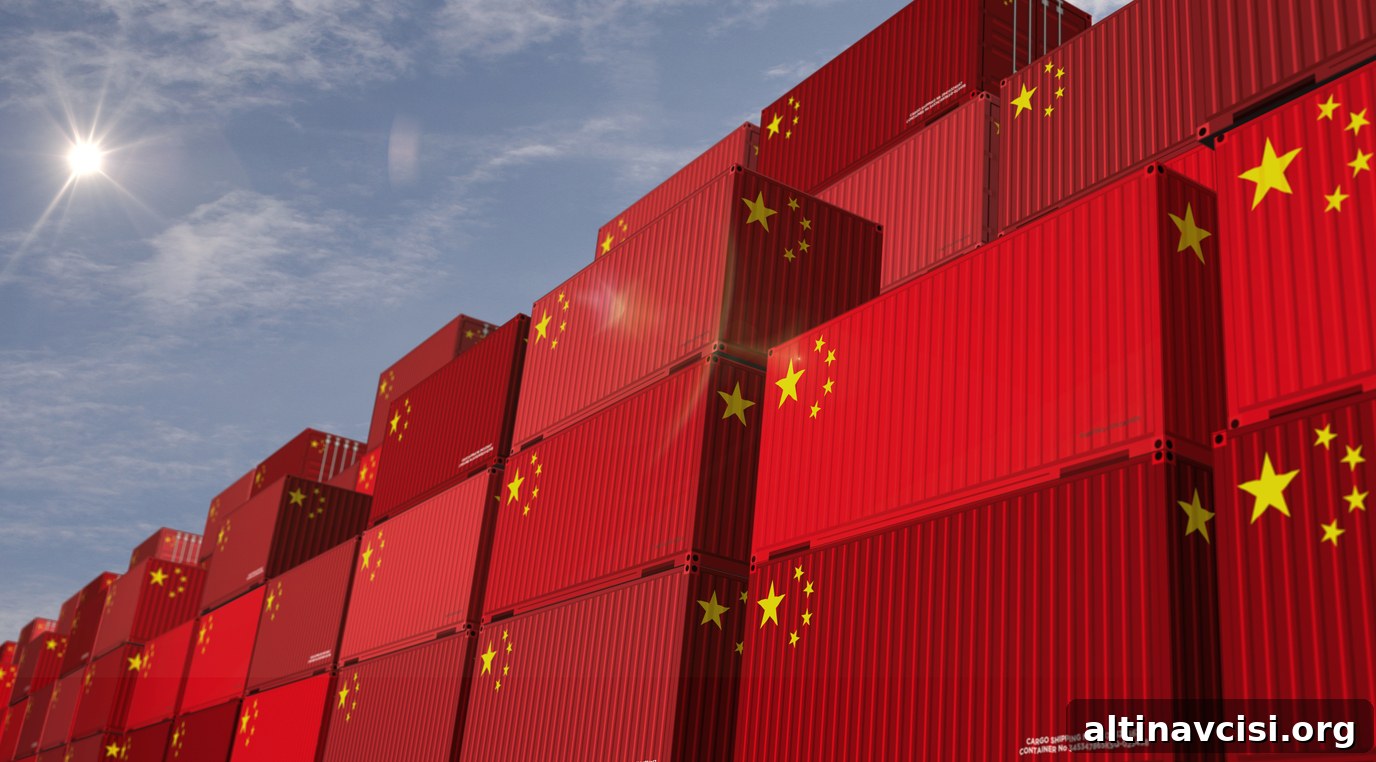
US-China Trade Talks in London Aim to Ease Export Controls
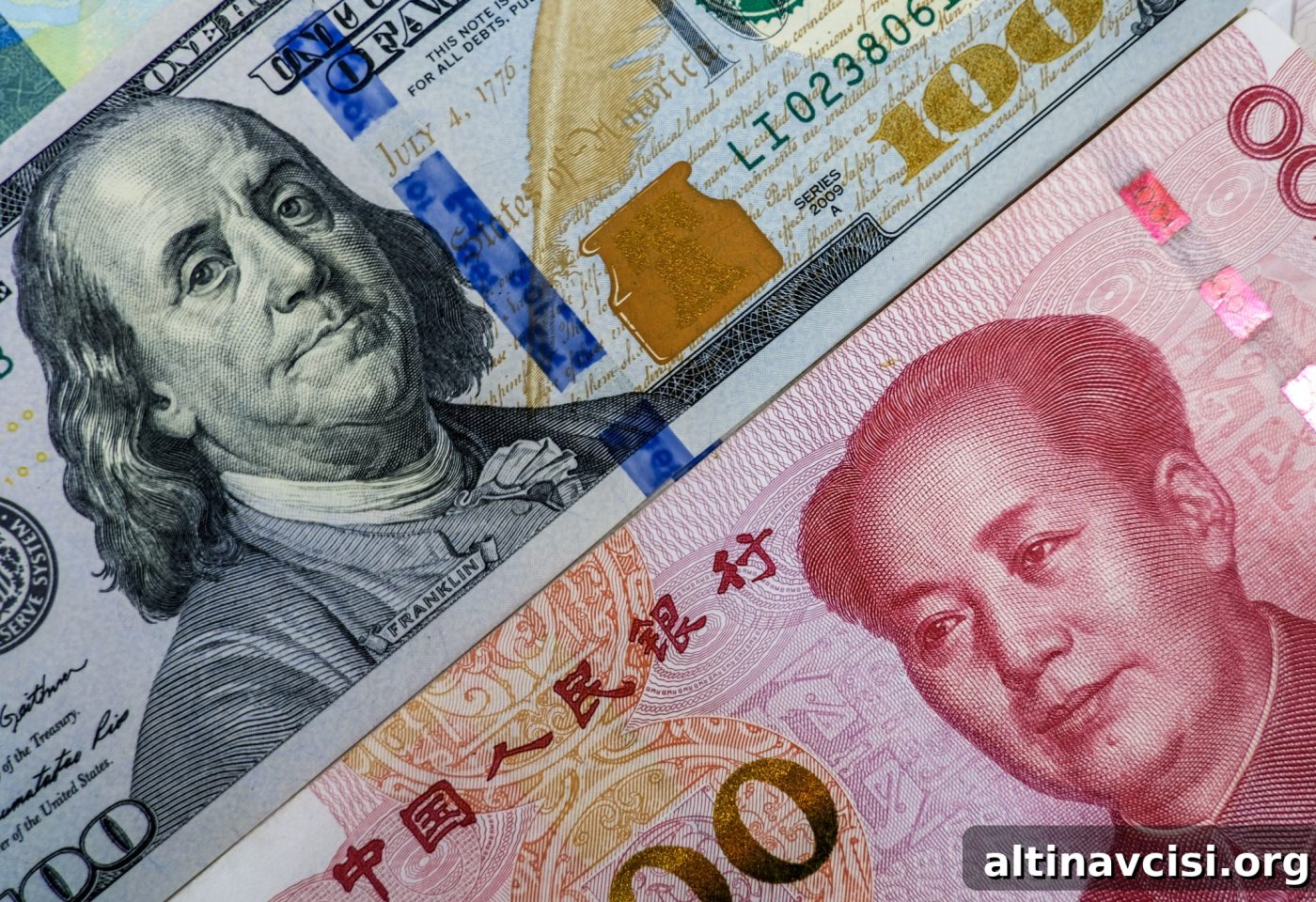
US and China Hold High-Stakes Talks in London on Export Controls and Rare Earths
Trade representatives from the United States and China met in London on Monday afternoon for talks focused on export restrictions and supply-chain issues. Delegations discussed the possibility of easing some US limits on technology exports if China agrees to relax its controls on rare earth minerals, a class of materials critical to consumer electronics, clean energy components and defense systems.
Potential Trade-offs: Technology Exports for Rare Earth Access
US officials signaled that the administration is open to making concessions on certain technology exports as part of a negotiated package. In particular, semiconductors that are important to China were cited as potential candidates for relaxed export controls, provided other conditions are met during the talks. At the same time, US representatives stressed that the most advanced artificial intelligence chips—specifically top-tier processors used in AI training and inference—would remain off-limits.
Kevin Hassett, director of the White House National Economic Council, told CNBC that export controls could be loosened following successful negotiations, but he also made clear that high-end AI chips, such as those from leading manufacturers, are expected to stay restricted. His remarks framed the negotiations as a calibrated effort to balance national security concerns with economic and supply-chain realities.
Context and Recent Developments
The London discussions follow a recent meeting in Geneva where both countries agreed to temporarily lower certain tariffs for a 90-day period while they work on longer-term solutions to address trade imbalances and market access issues. That interim arrangement appears intended to create breathing room for negotiators to explore more durable policy changes without immediate escalation in duties or restrictions.
Diplomatic momentum for the London talks reportedly increased after a phone call between Presidents Trump and Xi Jinping. While details of that conversation have not been fully disclosed, officials indicated the call helped renew focus on reaching pragmatic, reciprocal outcomes that could reduce economic friction and improve stability for global supply chains.
What’s at Stake for Industry and Supply Chains
Rare earth minerals are essential inputs for a wide range of high-tech products, from permanent magnets in electric vehicle motors to components in smartphones and military systems. Access to steady supplies of these minerals is a strategic concern for many manufacturers. Any agreement by China to ease restrictions on rare earth exports could alleviate supply pressure for downstream industries and reduce the incentive for countries to seek costly, time-consuming alternatives.
On the technology side, semiconductors remain a focal point of competition and cooperation. Easing controls on certain chips could help global manufacturers and technology firms that rely on cross-border flows of components and design tools. However, maintaining restrictions on the most advanced AI chips reflects ongoing US national security priorities and the desire to limit the export of capabilities that could significantly enhance foreign military or intelligence systems.
Next Steps and Possible Outcomes
Negotiators indicated the talks in London might continue on Tuesday as both sides seek to narrow differences and clarify the scope of any reciprocal commitments. If the parties can agree on a framework, they may develop a phased approach that adjusts restrictions and export controls in stages, contingent on verification measures or additional confidence-building steps.
Even if a comprehensive deal is not reached immediately, the willingness to engage—and the temporary tariff relief agreed in Geneva—suggests both Washington and Beijing are prioritizing managed competition and risk mitigation in critical technology and materials areas. Observers will be watching subsequent sessions closely for concrete language on export lists, exceptions, timelines and mechanisms for monitoring compliance.
Conclusion
The London meeting represents a significant, if cautious, effort to find common ground on complex trade and security issues. By tying potential relaxations in technology export controls to improved access to rare earths, negotiators aim to create reciprocal benefits for industry and national interests. With talks possibly extending into the next day, outcomes remain uncertain, but the dialogue underscores a shared interest in reducing economic disruption while protecting key capabilities.
Popular Topics
Picked from the archive
-
01
 Topics
Metal Prices Jump as Dollar Weakens Before US-China Talks
-
02
Topics
China Abandons US Oil, Canada Gains Amid Trade War
-
03
Topics
700,000 Zimbabwe Miners Strike Gold Amid Record-Breaking Prices
-
04
Topics
Profit-Taking Pauses Gold Near $3,380 Amid Trade Policy Fears
-
05
Topics
How Central Banks Shaped Gold Demand in Q1 2025
-
06
Topics
Gold and Silver Drop as Currencies React to Strikes in Iran
-
07
Topics
China Outlines Plan to End US-China Trade War
-
08
Topics
Long-Term US Treasury Yields Hit 10-Year High