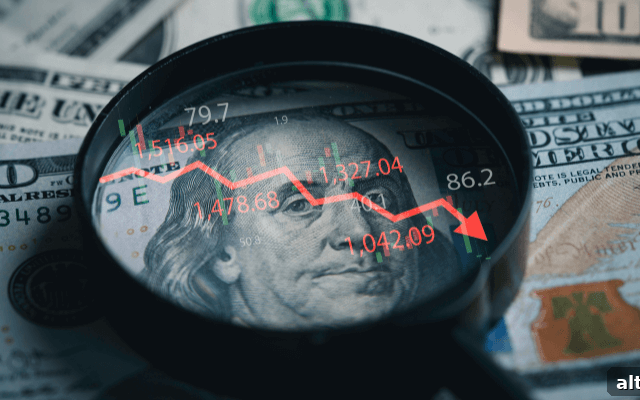
Long-Term US Treasury Yields Hit 10-Year High

U.S. Bond Investors Demand Highest Long-Term Treasury Yields in Over a Decade
U.S. bond investors are currently requiring the highest yields in more than ten years to buy long-term Treasury debt, a development that highlights mounting concerns about fiscal sustainability and inflation. This elevated demand for higher yields represents a pronounced shift in investor sentiment, as market participants seek greater compensation for risks tied to extended government borrowing.
What the Move in Long-Term Yields Signals
When investors insist on higher yields for long-term Treasury securities, they are effectively pricing in a combination of risks and expectations. Those include worries about the government’s ability to manage rising debt levels over time, concerns that inflation will erode the real return on fixed-income investments, and uncertainty about the future path of interest rates. Together, these factors push up the yields investors demand as compensation for holding duration and credit exposure.
Higher long-term yields can also reflect a rise in the term premium—the extra compensation investors require for committing money for an extended period. A higher term premium may indicate greater uncertainty around fiscal policy, monetary policy, or economic growth prospects, and it often accompanies broader market volatility.
Implications for the U.S. Government and Fiscal Policy
For the U.S. government, a sustained increase in long-term Treasury yields raises borrowing costs. As yields climb, the cost of issuing new debt or refinancing maturing obligations grows, potentially putting pressure on fiscal budgets. That can complicate long-term planning and may force policymakers to weigh difficult choices about spending priorities, taxation, and debt management strategies.
Persistently higher borrowing costs can also affect the structure of public finances. Governments may respond by adjusting the maturity profile of new debt issuance, accelerating efforts to reduce deficits, or seeking other fiscal measures to maintain market confidence. How policymakers react will influence both investor expectations and the trajectory of yields over time.
Effects on Markets, Businesses, and Households
Changes in long-term Treasury yields ripple across financial markets and the broader economy. Treasury yields serve as benchmark rates for a wide range of loans and securities; when they rise, mortgage rates, corporate borrowing costs, and yields on other fixed-income products often increase as well. Higher interest rates can dampen demand for credit-sensitive purchases, influence corporate investment decisions, and temper economic growth.
For households, elevated long-term rates typically mean higher borrowing costs for mortgages, student loans, and auto loans, which can constrain consumer spending. For corporations, increased financing costs can weigh on profitability and investment plans. Investors may also re-evaluate portfolio allocations between bonds, equities, and inflation-protected assets in response to shifting yield dynamics.
How Investors May Respond
Investors adapt to higher long-term yields in different ways depending on their objectives and risk tolerance. Some may shorten portfolio duration to reduce sensitivity to further rate increases, while others could seek higher-yielding credit instruments or inflation-linked securities to preserve purchasing power. Active managers might look for value in segments of the fixed-income market where valuations appear attractive, and yield-seeking strategies may gain traction among yield-oriented investors.
At the same time, increased yields can create opportunities. For savers and new fixed-income buyers, higher yields mean better prospects for income from safe, government-backed securities. However, navigating the transition period requires careful attention to interest rate risk and inflation expectations.
What to Watch Going Forward
Market participants will likely monitor several indicators to gauge whether higher long-term yields persist. These include inflation trends, signals from monetary authorities regarding future interest rate policy, government borrowing plans, and broader economic data that influence growth expectations. Shifts in investor risk appetite and global capital flows can also affect U.S. Treasury yields.
Ultimately, the current move toward higher long-term Treasury yields underscores the complex interplay between fiscal dynamics, inflation concerns, and investor sentiment. How these forces evolve will shape borrowing costs for the government, influence financial markets, and affect economic decisions for businesses and households.
While higher yields pose challenges, they also reflect markets’ role in pricing risk and allocating capital. Policymakers, investors, and borrowers will need to adapt as the environment changes, balancing the immediate effects of rising yields with longer-term considerations for fiscal stability and economic resilience.
Popular Topics
Picked from the archive
-
01
 Topics
ECB Cuts Rates to 2.25% as Trump Tariff Looms Over Eurozone
-
02
Topics
ANZ Forecast: Gold Pullback Opens Buying Window Toward $3,600
-
03
Topics
Trump Presses Powell on Interest Rates in White House Meeting
-
04
Topics
Technical Indicators Point to Bullish Breakout for Gold
-
05
Topics
Fed Keeps Rates Steady Despite Trump’s Push to Oust Powell
-
06
Topics
Trump Tariffs and European Growth Push Dollar to 2002 Low
-
07
Topics
US Initial Jobless Claims Jump to 240,000
-
08
Topics
Trump Tariff Threats Could Send Gold to Record Highs