Dollar Strengthens, Gold Falls After Japan Debt Policy

Gold Pulls Back as Stronger US Dollar and Rising Yields Weigh on Prices
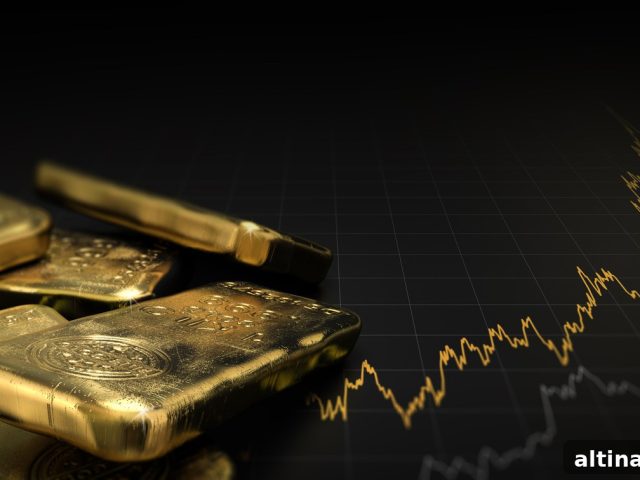
Gold prices declined, falling as much as 1.4% on renewed strength in the US dollar and a reduction in demand for traditional safe-haven assets. The pullback follows recent gains earlier in the year, and reflects market sensitivity to currency moves, bond yields and imminent macroeconomic data.
Dollar Strength and Bond Yields
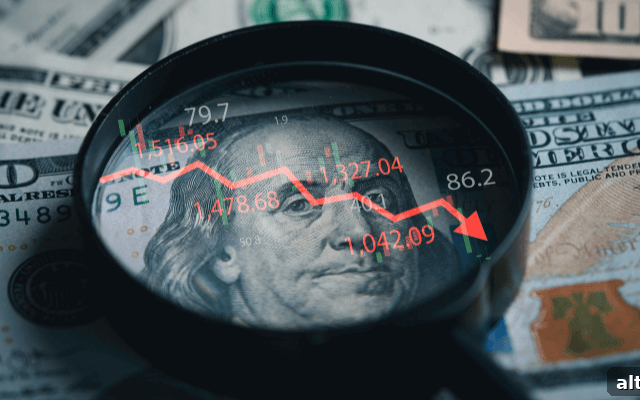
The US dollar gained momentum after reports that Japan may revisit its debt management approach. That development helped lift the greenback and contributed to an increase in global bond yields. Higher bond yields tend to make non-yielding assets such as gold relatively less attractive, placing downward pressure on prices even when other macro factors could support bullion.
For many investors, the combination of a firmer dollar and rising yields creates a headwind for gold. When the dollar strengthens, gold becomes more expensive for holders of other currencies, which can dampen demand. Simultaneously, rising yields increase the opportunity cost of holding gold compared with fixed-income instruments that offer income.
Investors Await Trade and Inflation Signals
Market participants are closely monitoring two key developments that could set the tone for gold in the coming days and weeks: progress in US-EU trade talks and upcoming US inflation data. Any sign of accelerated trade negotiations or a clearer path toward resolution could reduce geopolitical risk premiums and ease demand for safe-haven assets. Conversely, inflation readings that surprise to the upside could bolster gold’s appeal as an inflation hedge, while lower-than-expected inflation might support the case for higher interest rates, which would generally be bearish for bullion.
The interplay between trade diplomacy and inflation expectations underscores the complex drivers behind gold’s price action. Traders and longer-term investors alike are weighing these factors as they position portfolios, and short-term volatility may persist until clearer signals emerge from policymakers and economic releases.
Strong Year-to-Date Performance Despite Recent Drop
Despite the recent decline, gold has posted an impressive year-to-date gain of over 25%. That strong performance reflects broader concerns that have supported bullion throughout the period, including geopolitical uncertainty, monetary policy considerations, and investor demand for diversification. The recent pullback should be viewed in that broader context: corrections are common after steep advances, and they often provide buying opportunities for investors who remain bullish on the metal’s medium-term outlook.
Short-Term Outlook
Short-term price forecasts suggest a potential rebound toward $3,500 per ounce, indicating that many analysts and traders expect the current dip to be temporary. This forecast is consistent with scenarios where the dollar stabilizes, bond yields moderate, or fresh risk factors prompt a renewed flight to safety. However, the path back toward that level will depend on incoming data and policy developments, including the trajectory of inflation and any concrete outcomes from US-EU trade discussions.
What Market Participants Should Watch
Key indicators to monitor include currency movements, US Treasury yields, inflation releases from the United States, and updates on trade negotiations between major economic partners. Attention to central bank commentary and fiscal policy developments in major economies will also be important, as these can influence both interest rate expectations and the dollar’s strength.
For investors considering exposure to gold, it is important to balance short-term volatility with longer-term portfolio goals. Those seeking to hedge inflation or diversify holdings may view dips as opportunities, while traders looking for quick gains will need to manage risk amid shifting macroeconomic signals.
In summary, gold’s recent retreat reflects stronger dollar dynamics and higher bond yields, set against the backdrop of broader gains year-to-date. Market attention now turns to trade negotiations and upcoming inflation data, which will likely shape gold’s next directional moves.
Popular Topics
Picked from the archive
-
01
 Topics
Gold Outperforms Stocks, Bonds and Crypto – Barron’s
-
02
Topics
Housing Market Slows; Inflation Fears Shake Consumer Confidence
-
03
Topics
Asian Currencies Rise: Signs of De-Dollarization in FX Markets
-
04
Topics
Gold Eyes Largest Weekly Gain in a Month Amid US Fiscal Fears
-
05
Topics
Buy Now, Pay Later Surges for Everyday Essentials
-
06
Topics
Gold Prices Surge as Western Investors Return
-
07
Topics
US Pressures Beijing Publicly While Quietly Seeking Tariff Talks
-
08
Topics
Reuters Poll: Gold Set to Extend Rally Through 2026