Gold Rises 0.7% as Weak U.S. Data Pushes Dollar Down

Gold Climbs to Near-Month High as Dollar Weakens and Economic Data Disappoints
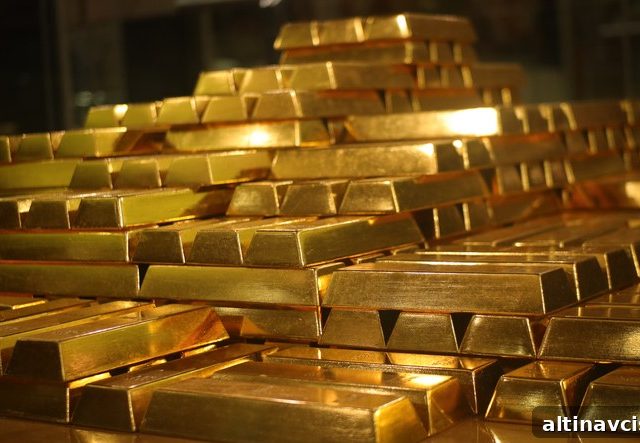
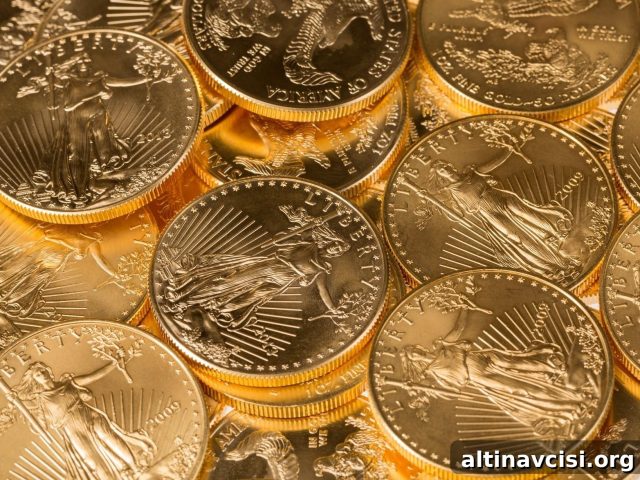
Gold prices surged on Wednesday, June 4, rising by $23.30 to close at $3,373.50 per ounce — the strongest closing level in nearly a month. The 0.7% increase more than offset Tuesday’s losses and reflected a mix of macroeconomic surprises and currency movements that renewed interest in bullion as a safe-haven asset. A softer U.S. dollar, which fell about 0.5% on the day, made dollar-priced gold cheaper for holders of other currencies, supporting demand and pushing spot prices higher.
The move followed a round of disappointing U.S. economic data that dampened expectations for near-term interest-rate hikes and bolstered gold’s appeal. Private-sector job growth came in well below forecasts, with just 37,000 new positions added in May against expectations near 115,000. At the same time, the ISM Services PMI unexpectedly slipped into contraction territory, dropping to 49.9 from 51.6. Those readings suggested a softer labor market and cooling activity in the dominant services sector, prompting investors to reassess the Federal Reserve’s likely policy path. In response to the weak jobs figures, former President Trump publicly urged Fed Chair Jerome Powell to lower interest rates, arguing that policy action was overdue.
Why the dollar and economic data matter for gold: gold typically moves inversely to the dollar and to real interest rates. A weaker dollar lowers the opportunity cost for global buyers and tends to lift gold prices. Meanwhile, softer-than-expected economic indicators can reduce the likelihood of aggressive monetary tightening, diminishing real yields and making non-yielding assets such as gold more attractive. The recent combination of a depreciating dollar and disappointing U.S. data therefore created a favorable backdrop for bullion.
Market sentiment and investor behavior also played a role. In times of uncertainty—whether prompted by slower job gains, contracting service-sector activity, or concerns about future growth—investors often shift allocations toward perceived safe havens. Gold benefits from this flight to safety both as a portfolio diversifier and as protection against potential currency weakness or financial market stress. Traders frequently react quickly to surprising data, and the rapid influx of bids helped the metal reclaim lost ground from the prior session.
Implications for monetary policy and financial markets: Persistent weakness in labor markets and services could influence the Federal Reserve’s assessment of inflationary pressures and growth prospects. If economic indicators continue to surprise to the downside, markets may increasingly price in a softer or more gradual path for rate increases. Lower expected policy rates tend to support gold by reducing yields on cash and bonds, which in turn lowers the opportunity cost of holding bullion.
What to watch next: Investors will be closely monitoring upcoming economic releases for confirmation of the recent soft patch. Key data to watch include broader employment reports, inflation measures, and forward-looking business surveys that can help clarify whether the weakness is temporary or more persistent. Currency movements, particularly the U.S. dollar’s trajectory, will remain a major influence on gold. Political developments and public commentary from influential figures or policymakers can also sway market expectations and risk sentiment, which often translate into short-term moves in precious metals.
In summary, gold’s rally on June 4 was driven by a weaker dollar and weaker-than-expected economic readings that reduced near-term rate-tightening expectations. As investors reassess economic momentum and central-bank policy, gold is likely to remain sensitive to shifts in growth indicators, real yields, and currency dynamics. For market participants, the recent price action underscores gold’s role as a hedge and a barometer of macroeconomic uncertainty.
Popular Topics
Picked from the archive
-
01
 Topics
Gallup Poll: Americans Shift from Stocks to Gold
-
02
Topics
Why Global Uncertainty Is Driving a 2025 Gold Boom
-
03
Topics
Bernstein Warns Investors of Bear Market Risk, Recommends Gold
-
04
Topics
Perth Mint Scandal: Restoring Global Trust
-
05
Topics
Will the U.S. Penny Be Retired? What to Know
-
06
Topics
Import Spike Before Tariffs Sends US Trade Deficit to Record High
-
07
Topics
CBO Warns: Trump Tax Plan Could Add $2.4T to US Deficit
-
08
Topics
Gold Drops from Record Highs as Global Trade Relations Improve