Gold and Silver Rally While Copper Awaits Tariff Decision
Precious Metals Rally as Dollar Weakens and Trade Tensions Rise
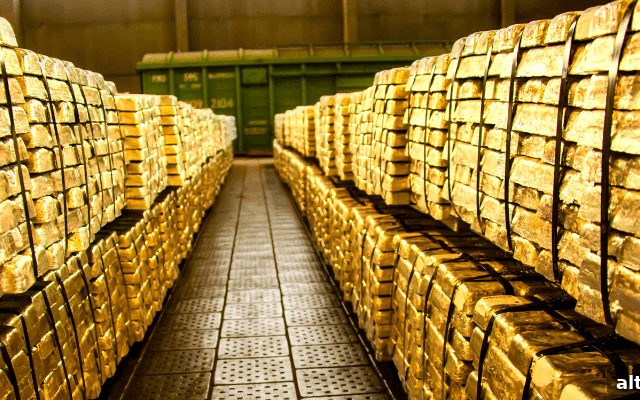
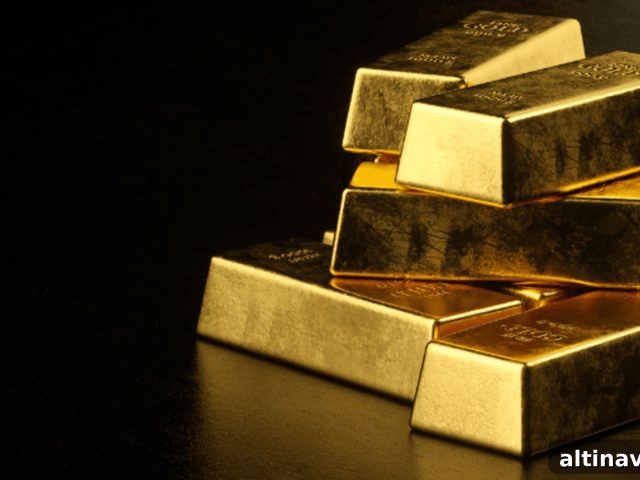
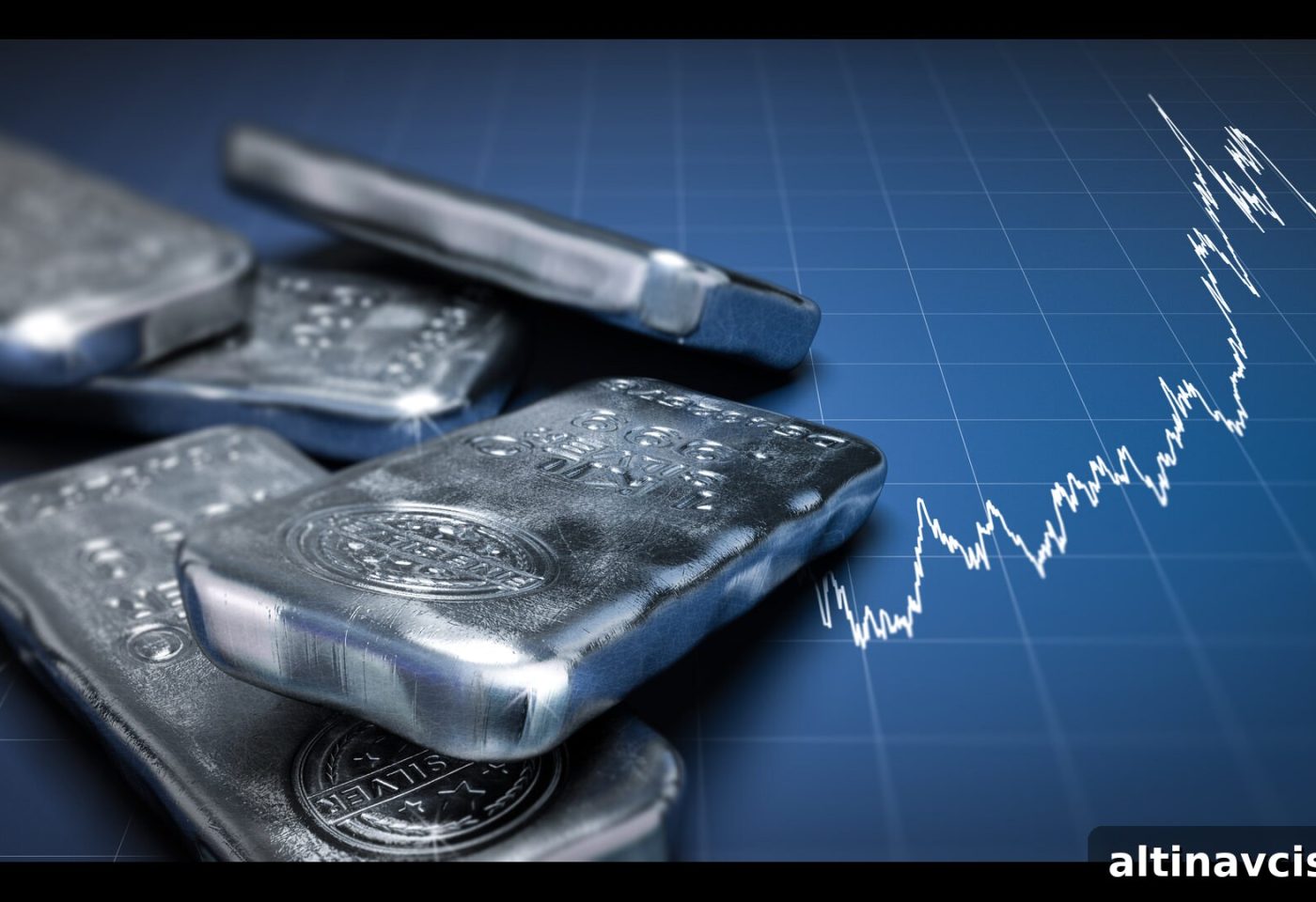
Gold and silver surged past key price barriers on Monday, propelled by a softer US dollar and mounting concerns over global trade tensions. Gold climbed above the downtrend that began after April’s record high, carving out fresh support around $3,325. Silver produced its strongest single-day advance since October, jumping roughly 5.4% and breaking through the important $33.68 level.
The sudden strength in bullion reflects growing unease about the outlook for US fiscal stability and broader macroeconomic risks. With a large volume of Treasury securities coming due in the near term—an amount equivalent to a substantial share of US output—some investors are reassessing their exposure to US government debt. That reassessment has helped redirect capital into tangible stores of value, with precious metals benefiting as a hedge against potential instability, currency weakness and inflationary pressures.
Beyond fiscal considerations, the weaker dollar itself is a key driver for the rally. When the dollar loses ground, gold and silver, which are priced in dollars globally, tend to become more attractive to holders of other currencies. That dynamic can amplify buying interest from both institutional and retail participants, supporting higher prices and encouraging technical breakouts as long-standing resistance levels are penetrated.
Market participants also point to risk-off sentiment tied to escalating trade disputes. As tensions between major economies intensify, the appeal of safe-haven assets increases. Precious metals traditionally benefit when uncertainty rises because they are seen as reliable stores of value that are not directly exposed to counterparty or sovereign credit risk in the same way as paper assets.
Silver’s sharp one-day gain underscores its dual role as both an industrial metal and a monetary asset. Demand for silver can be influenced by industrial trends, but during episodes of market stress or heightened inflation expectations, silver often moves in tandem with gold as investors seek protection. The recent break above $33.68 signals renewed investor confidence in the metal’s ability to act as a hedge amid current uncertainties.
Meanwhile, copper markets remain volatile as traders await a decision from the US Commerce Department on potential import duties. President Trump has threatened to impose 25% tariffs on copper imports, a move that would have meaningful implications for global supply chains and industrial costs. The mere prospect of such measures has expanded trading ranges, with the New York–London copper spread oscillating between about 6% and 15%, reflecting deep uncertainty across key market centers.
That volatility in base metals contrasts with the steadier, risk-hedging flows into precious metals. Copper is tightly linked to global manufacturing and construction activity, so tariff-related uncertainty can weigh on demand expectations and pricing. Traders are closely monitoring policy signals and any official decisions, as tariff announcements could quickly reshape trade patterns, sourcing decisions and inventory strategies across the industry.
From a technical perspective, gold’s move above the downtrend line and silver’s decisive one-day advance are notable because they can trigger additional momentum-driven buying. Breakouts of this sort often attract trend-following funds and algorithmic strategies, which can push prices further in the direction of the breakout. Conversely, markets remain sensitive to any signs of stabilizing dollar strength or clarity on fiscal and trade policy, which could temper the rally.
Looking ahead, investors will be watching several factors closely: developments in US fiscal financing and Treasury issuance, signals from central banks about monetary policy, changes in currency dynamics, and the outcome of trade-policy discussions. Any combination of clearer policy direction or renewed volatility could either reinforce the recent gains in precious metals or prompt a recalibration of positions.
In the near term, the interplay between macroeconomic risk, currency moves and trade-policy uncertainty is likely to remain the primary narrative driving precious and base metal prices. For market participants, the current environment emphasizes the importance of risk management and careful attention to both technical levels and evolving policy developments that could influence supply, demand and investor sentiment.
Popular Topics
Picked from the archive
-
01
 Topics
Wealthy Investors Move from Dollar Assets to Gold and China, UBS Says
-
02
Topics
Study Finds 1 in 4 Americans Are Functionally Unemployed
-
03
Topics
Gold Falls After Trump Reinstates EU Trade Talks Deadline
-
04
Topics
Gallup Poll: Americans Shift from Stocks to Gold
-
05
Topics
Fed to Hold Rates Steady Despite Trump’s Push for Cuts
-
06
Topics
Israel Considers Action on Iran as Oil Prices Rise
-
07
Topics
US-China Tariff Talks Push Markets Away from Gold
-
08
Topics
OPEC+ Output Rise Pushes Oil Prices Lower Amid Demand Fears