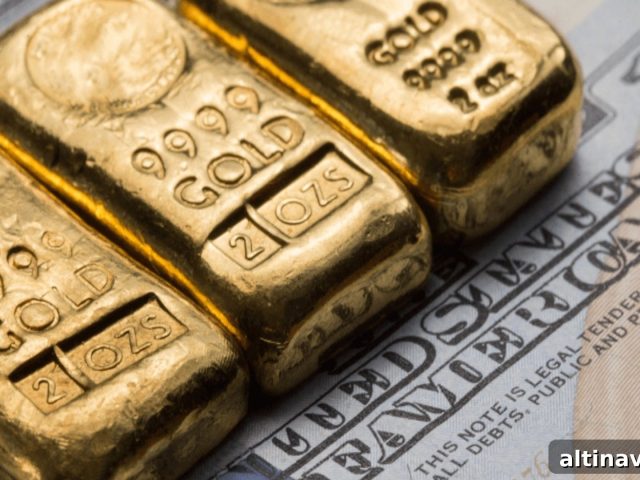
Wealthy Investors Move from Dollar Assets to Gold and China, UBS Says

Wealthy Investors Shift Away from US Dollar Assets Toward Gold, Crypto and Commodities
High-net-worth investors are increasingly reallocating capital away from traditional US dollar-denominated assets and exploring alternatives such as gold, cryptocurrencies, and a broader range of commodities, UBS executive Amy Lo has said. This reorientation reflects a growing desire for diversification and risk management amid renewed geopolitical and economic uncertainties, particularly tensions between the United States and China.
Speaking from Hong Kong, Amy Lo highlighted that many clients who for years maintained portfolios heavily weighted toward US markets are now reassessing that exposure. The shift is not simply a rejection of the dollar but a strategic response to changing market dynamics, including trade frictions, shifting monetary policies, and the search for returns that are less correlated with traditional equities and bonds.
One notable development driving investor interest is renewed attention to Chinese and Hong Kong markets. Once overlooked by some global investors, Chinese equities and Hong Kong-listed stocks have drawn fresh interest as investors look to diversify geographically and capture potential growth opportunities closer to home. Hong Kong’s stock index has emerged as one of the stronger global performers in recent periods, prompting investors to reconsider regional allocations within their portfolios.
The recent tariff reduction agreement between major trading partners has also influenced sentiment across both US and Chinese markets. While the reduction in trade barriers opens up fresh avenues for cross-border commerce, it also prompts investors to rethink exposure, reweight assets, and identify new sectors that may benefit from improved trade conditions. The broad effect has been to create novel investment themes and to encourage a rebalancing of portfolios that had been heavily concentrated in the United States.
Morgan Stanley strategist Christina Au-Yeung has echoed this more constructive outlook, noting improved sentiment toward US growth stocks alongside emerging investment themes in China. Her observations underscore a bifurcated market environment in which both established and emerging opportunities coexist: US growth companies remain on the radar for investors seeking innovation and earnings momentum, while certain Chinese sectors are attracting capital as regional prospects brighten and valuations become more compelling for some long-term investors.
Alternatives such as gold, cryptocurrencies, and commodities are appealing for several reasons. Gold has long been viewed as a store of value and a hedge against inflation and currency weakness, making it an attractive ballast within diversified portfolios. Cryptocurrencies, despite their volatility, offer exposure to a nascent digital-asset class that some investors see as an inflation hedge or a portfolio diversifier uncorrelated with traditional markets. Commodities provide direct exposure to real assets, ranging from energy and industrial metals to agricultural products, which can benefit from supply-demand imbalances or shifts in global trade patterns.
For many wealthy investors, the current market environment is prompting a broader rethink of portfolio construction. Rather than relying predominantly on US-dollar assets and a handful of familiar equity markets, investors are increasingly combining traditional holdings with alternative assets and regionally diversified equities. This strategy aims to reduce concentration risk, enhance potential returns, and improve resilience against shocks that disproportionately affect any single currency or market.
Advisors and wealth managers are responding by offering more tailored solutions that blend exposure across currencies, geographies, and asset classes. That includes tactical allocations to hard assets like precious metals, selective exposure to digital assets under rigorous risk frameworks, and increased weightings in markets that may benefit from shifting trade dynamics and local economic recovery. The emphasis is on constructing portfolios that can adapt as geopolitical and macroeconomic drivers evolve.
In summary, the trend of moving away from an exclusively US-dollar-centric investment approach reflects broader strategic thinking among affluent investors. With insights from industry executives such as Amy Lo and confirmations from strategists like Christina Au-Yeung, the market narrative is one of diversification: combining US growth exposure with targeted investments in China and Hong Kong, alongside allocations to gold, cryptocurrencies, and commodities to manage risk and pursue new opportunities.
Popular Topics
Picked from the archive
-
01
 Topics
Rising Mortgage Delinquencies Threaten Housing Market
-
02
Topics
U.S. $18 Trillion Debt Crisis: Paying for Lunch on Credit
-
03
Topics
Oil Rises as Trade Tensions Ease and Inflation Outlook Improves
-
04
Topics
Gold Slips as US-China Trade Tensions Ease, Investors Eye Data
-
05
Topics
Incrementum Gold Compass: May 2025 Market Outlook
-
06
Topics
Goldman Analyst: China’s Pre-Holiday Selloff Sends Gold Tumbling
-
07
Topics
Gold Fields Acquires Full Control of Gruyere Mine for $2.4B
-
08
Topics
Gold Falls Below $3,300 as US-China Trade Hopes Rise