Treasury Yields Rise After Inflation Data Amid Trade Uncertainty
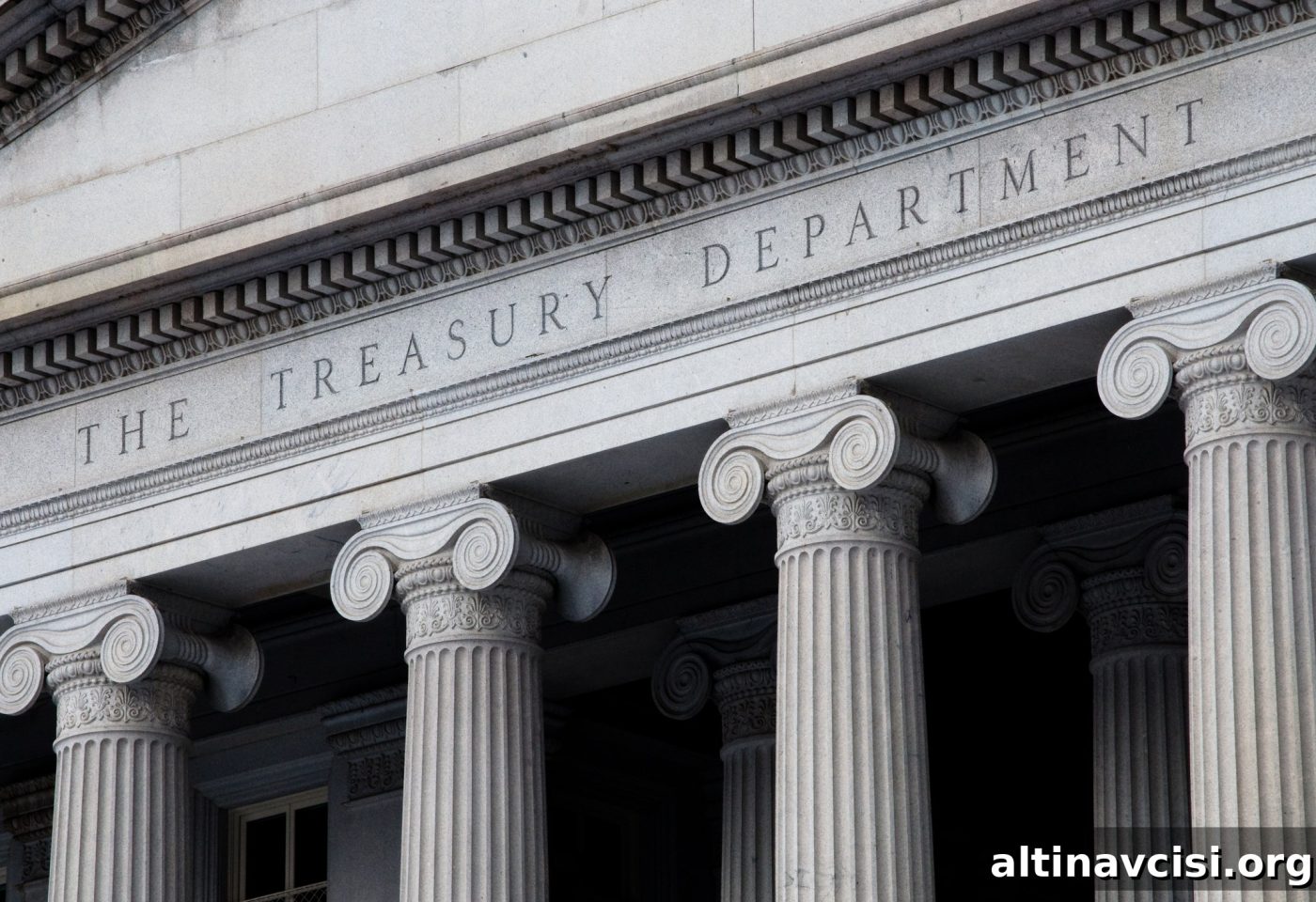
Treasury Yields Edge Higher After April Inflation Report
Treasury yields rose modestly following the release of April’s inflation data, which showed consumer prices up 2.3% year over year—slightly below market expectations. The modest jump in yields reflects investors recalibrating expectations about future inflation, monetary policy and economic growth in response to the fresh data.
What the Inflation Number Means
A 2.3% year-over-year increase suggests inflation is slowing relative to earlier periods, but the headline figure may not capture all underlying pressures. Core components, supply chain dynamics and one-off policy actions can mute or amplify the reading. For bond markets, even a small deviation from expectations can shift relative demand for Treasuries, nudging yields higher when investors reassess inflation risk or short-term rate trajectories.
Tariffs and Their Influence on Prices
Although the April report points toward cooler price growth, officials and market participants warned that the published data might not fully reflect the impact of recent tariff-related policy changes. Tariffs—taxes on imported goods—can raise import costs, which businesses may pass on to consumers, contributing to higher consumer prices over time. Conversely, reductions or temporary pauses in tariffs can lower immediate cost pressures. Because tariff changes can affect supply chains and pricing with a lag, their full effect may not show up in a single month’s inflation reading.
Temporary Tariff Adjustment Between the U.S. and China
The U.S. and China recently agreed to a temporary reduction in most tariffs, cutting them from as high as 125% down to 10% for a 90‑day period. This short-term measure is intended to ease some trade frictions and reduce near-term cost pressures on imported goods. While the adjustment may help dampen inflation temporarily, its limited duration and the potential for policy reversal mean the longer-term outlook remains uncertain.
Market and Analyst Reactions
Analysts and investors reacted with caution. Many noted that while the temporary tariff easing could provide near-term relief to consumer prices and corporate input costs, the situation introduces an element of policy volatility. Uncertainty about whether the tariff relief will be extended, scaled back, or replaced by other trade measures complicates forecasts for inflation, corporate margins and economic growth.
- Short-term: The tariff reduction may relieve price pressures on affected imported goods during the 90‑day window, which could help moderate headline inflation readings in the near term.
- Medium-term: If tariffs are reinstated or additional trade measures emerge, inflation could re-accelerate, prompting renewed market volatility.
- Market sensitivity: Bond investors remain sensitive to shifts in inflation expectations and policy uncertainty, so even modest changes to tariffs or inflation readings can move Treasury yields.
Why Policy Volatility Matters
Policy volatility—rapid or unpredictable changes in trade and tariff policy—creates planning challenges for businesses and investors. Companies dealing with international supply chains may delay investment or pass along costs, both of which influence economic activity and price trends. For monetary policymakers, volatile trade policy complicates the assessment of underlying inflationary trends and the appropriate stance for interest rates.
Outlook and Considerations
Going forward, markets will watch upcoming inflation releases, corporate earnings, and any further announcements regarding tariffs or trade policy. The recent 2.3% inflation reading suggests a cooling trend, but the temporary tariff reduction and broader policy uncertainty mean risks remain skewed to the upside for inflation if protectionist measures return or intensify. Investors and policymakers alike will likely focus on whether tariff changes persist long enough to influence sustained price behavior or whether they merely produce short-lived shifts in market sentiment.
In summary, April’s inflation report provided some relief by coming in slightly below expectations, and the recent temporary tariff reduction could ease near-term price pressures. Still, the interaction between trade policy and inflation is complex, and analysts emphasize that policy volatility and potential reversals could still shape inflation and Treasury yields in the months ahead.
Popular Topics
Picked from the archive
-
01
 Topics
Rising Mortgage Delinquencies Threaten Housing Market
-
02
Topics
U.S. $18 Trillion Debt Crisis: Paying for Lunch on Credit
-
03
Topics
Oil Rises as Trade Tensions Ease and Inflation Outlook Improves
-
04
Topics
Gold Slips as US-China Trade Tensions Ease, Investors Eye Data
-
05
Topics
Incrementum Gold Compass: May 2025 Market Outlook
-
06
Topics
Goldman Analyst: China’s Pre-Holiday Selloff Sends Gold Tumbling
-
07
Topics
Gold Fields Acquires Full Control of Gruyere Mine for $2.4B
-
08
Topics
Gold Falls Below $3,300 as US-China Trade Hopes Rise