Gold Price Tops 3,300 USD After Court Blocks Trump Tariffs
Gold Rebounds Above $3,300 per Ounce After Court Ruling; Markets Eye U.S. Inflation Data
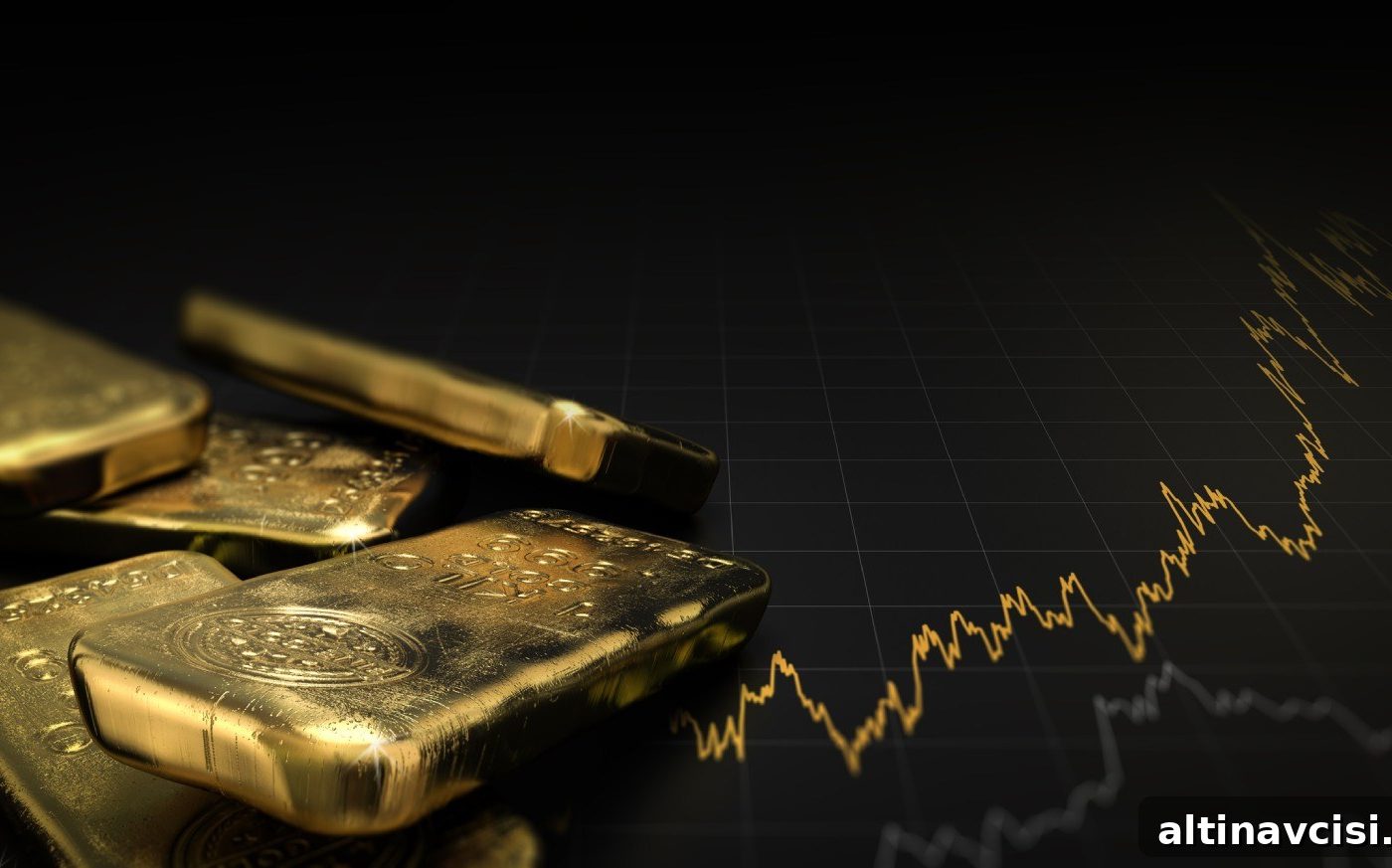
Gold prices bounced back on Thursday after briefly touching a one-week low, climbing to just above $3,300 per ounce. The metal’s recovery followed a court decision that temporarily blocked a set of broad tariffs announced by the administration, a development that briefly altered risk sentiment across global markets.
Why the Ruling Mattered
The court ruling removed an immediate source of policy-driven uncertainty, and that change helped lift gold from its intraday low. While the White House has indicated plans to appeal the decision, the temporary relief supported demand for bullion as investors reassessed the near-term outlook for trade policy and market volatility. Even a short-lived legal setback for tariff measures can shift investor positioning, prompting rebalancing in metal and currency markets.
Investors Focus on U.S. Inflation Data
With the tariff ruling influencing markets, traders are now turning their attention to a key U.S. inflation report due Friday: the personal consumption expenditures (PCE) figures. The PCE measure is closely watched by the Federal Reserve as a principal indicator of inflation, and its readings can shape expectations around interest rate policy. Market participants will use the data to refine their views on the Fed’s likely approach in the weeks ahead, including the trajectory of interest rates and the timing of any policy moves.
Dollar Weakness and Safe-Haven Demand
The dollar has shown signs of weakness recently, a factor that typically benefits dollar-denominated assets like gold. When the dollar softens, gold becomes cheaper for holders of other currencies, often boosting demand. Coupled with the lingering uncertainty around economic policy and legal challenges to tariff measures, the current environment has reinforced gold’s role as a safe-haven asset for investors seeking to preserve value amid ambiguous conditions.
Market Dynamics and What to Watch
Several dynamics are in play for gold in the near term. First, incoming inflation data will be a primary driver, as stronger-than-expected inflation could influence real yields and thereby affect bullion prices. Second, developments around the tariff appeal could reintroduce policy risk if the administration pursues aggressive measures or if lower courts rule differently. Third, shifts in currency markets—particularly the dollar—will continue to affect the metal’s international demand.
Traders and portfolio managers are likely to monitor not only headline PCE figures but also underlying inflation signals and related economic indicators that inform expectations for monetary policy. Any surprise in the data may prompt swift adjustments in positioning across futures, ETFs, and physical markets.
Broader Implications
Gold’s recent move underscores its sensitivity to both geopolitical and domestic policy developments. Even as temporary reprieves or setbacks in policy can drive short-term price swings, the metal’s long-term appeal remains tied to its traditional hedge characteristics: protection against inflation, currency depreciation, and systemic uncertainty. As investors digest court rulings, central bank signals, and economic releases, gold will likely remain a focal point for those seeking portfolio diversification and risk management.
In summary, the combination of a court decision affecting tariff policy, the prospect of an appeal, and the closely watched U.S. PCE inflation report has created a backdrop of heightened attention on gold. With the dollar trading softer and economic uncertainty persisting, bullion’s safe-haven status continues to support its appeal among a range of market participants.
Popular Topics
Picked from the archive
-
01
 Topics
S&P 500’s 20-Year Winning Streak Eases Recession Fears
-
02
Topics
Gold Prices Rise on Trade Tensions and Currency Moves
-
03
Topics
US Gives Global Partners Five-Week Deadline for Trade Proposals
-
04
Topics
Record Gold Rally: Trading Data Shows Banks Flipping Positions
-
05
Topics
CBO Warns: Trump Tax Plan Could Add $2.4T to US Deficit
-
06
Topics
Gold Price Holds Near $3,180 as Markets Brace for U.S. Data
-
07
Topics
Gold Falls as Trade Tensions Ease Despite Monthly Gains
-
08
Topics
Gold Falls to 3,300 as Strong Dollar, Inflation Hits Markets