Gold Climbs on Fears Over U.S. Budget Deficit

Gold Prices Edge Higher as U.S. Budget Concerns Fuel Safe-Haven Demand
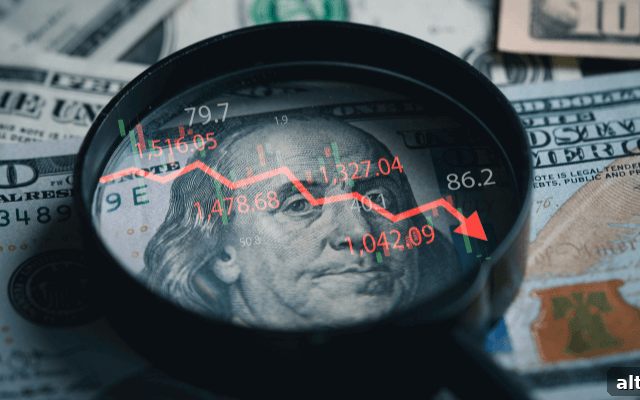
Gold prices have edged higher amid growing concern about the United States’ expanding budget deficits. As federal borrowing needs receive renewed attention from investors and policy watchers, gold’s status as a safe-haven asset is once again attracting interest from those looking to protect capital against potential currency weakness and broader financial instability.
Why Budget Deficits Matter for Gold
When budget deficits widen, governments typically increase borrowing to cover shortfalls. That additional issuance of government debt can influence interest rates, inflation expectations, and the perceived strength of a currency. For investors, rising deficits can translate into heightened uncertainty about the future purchasing power of the dollar. In this environment, many investors turn to gold because it is viewed as a long-standing store of value that is not directly tied to the creditworthiness of any single government.
Gold as a Hedge Against Fiscal Uncertainty and Inflation
Gold’s appeal often grows when fiscal and monetary conditions appear uncertain. If markets begin to question a currency’s long-term stability or expect higher inflation as a result of deficit-financed stimulus or expansive policy measures, gold becomes a popular hedge. Unlike many financial instruments, gold does not carry counterparty risk, and it has historically been used to preserve purchasing power during periods of inflation and currency depreciation.
Investor Behavior and Market Dynamics
Investors typically reallocate portfolios toward assets perceived as safe when geopolitical events, fiscal imbalances, or unexpected policy moves increase market risk. Gold benefits from this flight-to-safety dynamic. In addition to individual retail buyers, institutional investors—such as pension funds, hedge funds, and sovereign wealth funds—may increase allocations to gold or gold-linked instruments to diversify exposure to sovereign debt and currency risk.
Market dynamics are also influenced by other factors, such as central bank policy, interest rates, and overall economic growth. Lower real yields or expectations of looser monetary policy can make non-yielding assets like gold more attractive, while rising yields can exert downward pressure on gold prices. However, when fiscal concerns dominate the conversation, the protective qualities of gold often outweigh yield considerations for many market participants.
What This Means for Investors
For investors weighing the implications of expanding U.S. budget deficits, the rise in gold interest highlights a broader search for stability and diversification. Portfolio strategies that include some exposure to gold—whether through physical bullion, exchange-traded funds (ETFs), mining equities, or other instruments—can help manage currency and inflation risk. That said, gold is not immune to price volatility and should be considered within the context of an investor’s time horizon, risk tolerance, and overall asset allocation.
Outlook and Considerations
While gold’s attractiveness as a hedge against fiscal uncertainty remains clear, future price movements will depend on a mix of factors: evolving fiscal policy, market expectations for inflation and interest rates, global economic growth, and shifts in investor sentiment. Policy decisions that alter borrowing trajectories or attempt to rein in deficits could reduce the urgency of safe-haven flows, while sustained fiscal expansion may continue to support gold demand.
In summary, the recent uptick in gold prices reflects a response to widening concerns about U.S. budget deficits and their potential impact on the dollar and financial markets. As investors seek protection from fiscal and inflationary risks, gold’s longstanding role as a store of value and portfolio diversifier remains prominent.
Popular Topics
Picked from the archive
-
01
 Topics
Gold Pauses After Record Rally as US-Japan Trade Talks Progress
-
02
Topics
Markets Slip After Trump Tax Bill Sparks U.S. Debt Concerns
-
03
Topics
US Initial Jobless Claims Jump to 240,000
-
04
Topics
Dollar Drops After Trump Threatens Fed Chair, Investors Spooked
-
05
Topics
Trump Plans 25% Tariff on Imported iPhones, Targeting Apple
-
06
Topics
Federal Reserve Warns: Credit Card Distress Hits 12-Year High
-
07
Topics
Why Gold’s Record Rally Is Leaving Industrial Metals Behind
-
08
Topics
US Gives Global Partners Five-Week Deadline for Trade Proposals