Dollar Drops After Trump Threatens Fed Chair, Investors Spooked
Markets Jolt as Reports Surface That Trump May Consider Firing Fed Chair Powell
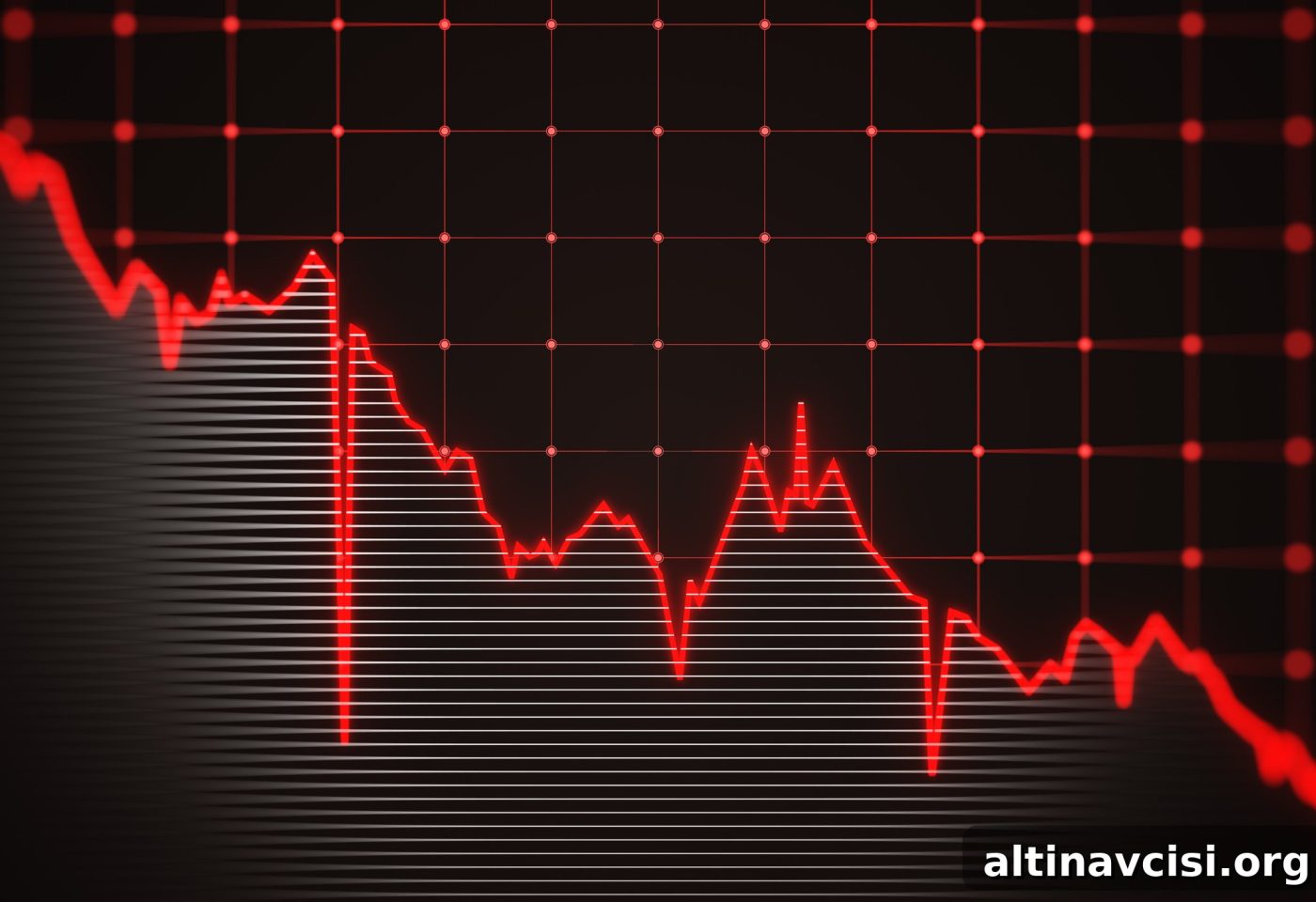
U.S. financial markets experienced notable volatility on Monday after reports emerged that President Donald Trump was considering whether to remove Federal Reserve Chair Jerome Powell. The Bloomberg Dollar Spot Index fell as much as 1%, marking the dollar’s lowest level since December 2023. At the same time, U.S. stock futures dropped roughly 1.3%, and yields on 10-year Treasury notes rose as investors reassessed risk and policy uncertainty.
What Triggered the Market Reaction
The immediate market reaction intensified when National Economic Council Director Kevin Hassett acknowledged that the president was studying the possibility of dismissing Powell. That acknowledgment amplified worries because many legal scholars have argued that the president does not have clear authority to remove a Federal Reserve chair, and Powell himself has previously said he would not resign if asked to do so.
News that suggests a potential change in leadership at the central bank tends to unsettle global markets because monetary policy credibility and predictability are central to investor decision-making. In this case, traders reacted quickly to the prospect that political interference could undermine the Fed’s independence, which is widely viewed as a key pillar of long-term price stability and confidence in U.S. financial instruments.
Broader Economic and Market Concerns
This development compounded several existing worries about U.S. assets. Escalating trade tensions and the imposition of tariffs have already raised concerns about slower economic growth and the risk of recession, putting pressure on equities and raising questions about corporate earnings prospects. Those trade-driven worries, combined with the prospect of political pressure on the Federal Reserve, contributed to a notable shift in investor positioning.
Treasury securities, long considered a safe-haven asset, saw shifts in demand as investors weighed the changing risk landscape. While 10-year yields rose in the immediate aftermath—reflecting a complex mix of selling, repositioning, and expectations about future policy—the broader concern is that any perception of compromised central-bank independence could erode confidence in U.S. government debt over time.
Why Fed Independence Matters
Central-bank independence is widely regarded as essential to maintaining low and stable inflation, investor confidence, and predictable macroeconomic policy. When the central bank is perceived as independent, markets can form clearer expectations about interest rates and inflation, which in turn supports stable financial conditions. Analysts cautioned that questioning that independence risks damaging the dollar’s credibility as a reliable store of value and medium of exchange. As one strategist noted, such credibility is “difficult to win back if ever lost.”
Even the suggestion of politicizing central-bank decisions can lead to heightened volatility in currency, equity and bond markets as participants reassess the risks associated with U.S. policy-making. That dynamic often prompts investors to seek clarity, either in the form of official statements or concrete actions that restore confidence in institutions.
What Investors Are Watching Next
Market participants will be closely monitoring any further comments from White House officials, statements from the Fed, and legal analysis about the president’s actual authority to remove a sitting Fed chair. In the near term, investors may continue to react to headlines and official clarifications, leading to intermittent volatility.
Beyond immediate market moves, the situation underscores the sensitivity of financial markets to geopolitical and policy risks. Traders and long-term investors alike will be evaluating how potential shifts in governance at the Fed could influence monetary policy direction, inflation expectations and the perceived safety of dollar-denominated assets.
For now, the episode serves as a reminder that market confidence rests not only on economic data and corporate results, but also on the integrity and independence of institutions that shape monetary policy.
Popular Topics
Picked from the archive
-
01
 Topics
Reuters Poll: Gold Set to Extend Rally Through 2026
-
02
Topics
Gold’s 30% Post-Election Rally Consolidates as ETF Flows Slow
-
03
Topics
Kevin O’Leary Rejects Wall Street’s 2025 Recession Forecast
-
04
Topics
Zambia Readies Local Content Rules as Copper Output Surges 30%
-
05
Topics
Goldman Analyst: China’s Pre-Holiday Selloff Sends Gold Tumbling
-
06
Topics
Asian Gold Prices Split: India Discounts, China Premiums
-
07
Topics
India Proposes Targeted Zero-Tariff Offer to Speed US Trade Deal
-
08
Topics
China Opens New Hong Kong Gold Vault to Boost Trading