Gold Prices Fall from Records as US-China Tensions Ease
Gold Prices Slip as U.S.-China Trade Truce Eases Safe-Haven Demand
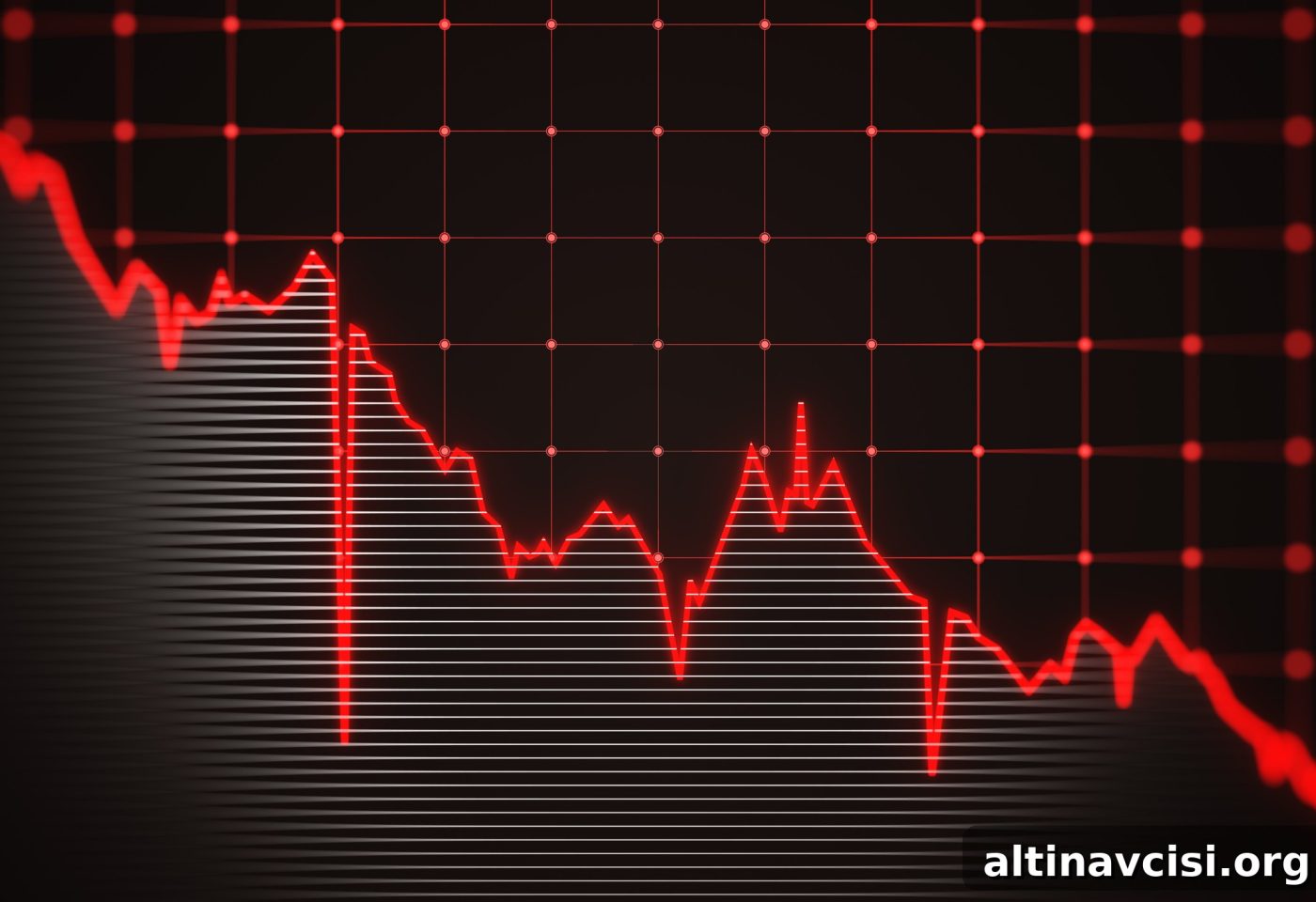
Gold prices eased 0.5% to $3,231.08 per ounce on Wednesday after a weekend of diplomatic progress between the United States and China. The two countries agreed to a 90-day suspension of reciprocal tariffs following talks in Geneva, a development that has reduced immediate global recession fears and bolstered investor appetite for riskier assets. The U.S. also plans to lower tariffs on low-value Chinese shipments to 30%, a move that market participants interpreted as supportive of trade normalization and international economic stability.
The improving trade outlook has weakened gold’s traditional safe-haven appeal. Investor flows that had been directed into gold amid geopolitical and economic uncertainty pushed the metal to a record high of $3,500.05 last month. With tensions easing, portfolio allocations have begun to shift back toward equities and other risk assets, weighing on bullion prices. While gold remains a key hedge against inflation and currency volatility, the recent diplomatic détente has created headwinds for further short-term gains.
Technical analysts and market strategists are watching price levels closely. Ole Hansen of Saxo Bank warned that if gold falls below the $3,200 mark, it could open the door to additional downside testing support near $3,165. These levels are being monitored as potential triggers for further selling or consolidation, depending on how traders interpret incoming economic data and ongoing policy signals.
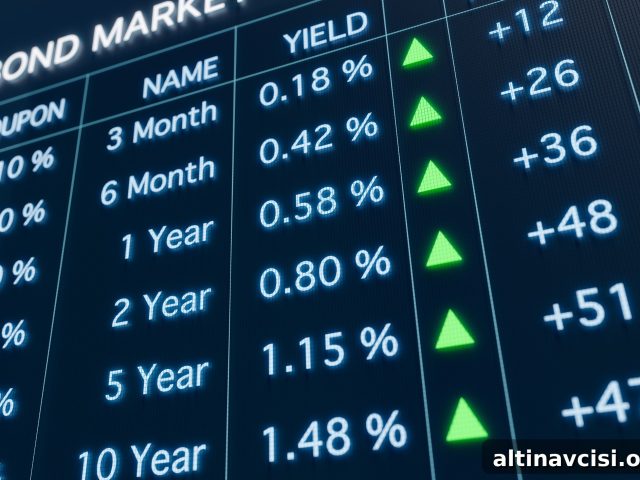
Beyond tariffs and trade developments, macroeconomic indicators will play a central role in determining gold’s near-term trajectory. Traders are awaiting Thursday’s U.S. producer price index (PPI) report for fresh information on inflation trends at the wholesale level. PPI readings can influence market expectations about consumer inflation and, in turn, the Federal Reserve’s interest-rate path. At present, markets are pricing in an aggregate of roughly 53 basis points of rate cuts beginning in September. Such expectations about monetary easing generally support higher gold prices over time because lower real rates tend to increase the opportunity cost of holding cash relative to bullion.
However, the relationship between interest rates and gold is not mechanical. If PPI comes in stronger than anticipated, suggesting persistent inflationary pressure, the Fed could delay or scale back planned rate reductions, which would likely be negative for gold in the near term. Conversely, a softer-than-expected PPI print could reinforce expectations for policy easing and provide bullish momentum for bullion. Investors and traders are therefore balancing the immediate positive sentiment from improved U.S.-China trade relations against the forthcoming inflation data and the Fed’s policy outlook.
Market sentiment is also shaped by risk flows and positioning across asset classes. The tariff suspension and the move to reduce duties on small shipments could ease cost pressures for manufacturers and consumers, supporting growth expectations. That shift toward growth-oriented positioning tends to reduce the appeal of gold as a safe haven, at least while the trade détente holds and no new shocks occur. On the other hand, gold’s long-term role as an inflation hedge and portfolio diversifier remains intact, and any deterioration in trade talks or fresh geopolitical stress could quickly restore its appeal.
In summary, gold’s modest decline to $3,231.08 reflects a market response to improved U.S.-China trade relations and lowered recession fears, alongside technical vulnerability below key levels highlighted by analysts such as Ole Hansen. The upcoming U.S. producer price index will be watched closely for signals that could either reinforce or counterbalance the trade-driven shift in investor sentiment, and markets continue to price in the possibility of interest-rate cuts beginning in September totaling roughly 53 basis points.
Popular Topics
Picked from the archive
-
01
 Topics
Fed Surveys: Manufacturing Sentiment Crashes Amid Trump Tariffs
-
02
Topics
China May Cut Tariffs on Key US Medical and Industrial Imports
-
03
Topics
Treasury Yields Fall After Surprise Producer Price Drop
-
04
Topics
China Warns of Diplomatic Fallout as Japan and South Korea Join US Talks
-
05
Topics
Fed Likely to Hold Rates as Tariffs Cloud Inflation Outlook
-
06
Topics
Walmart Stock Slides After Tariffs Trigger Price Hikes
-
07
Topics
US Dollar Rises After Trump Retreats From Fed Threats
-
08
Topics
Metal Markets Rally Ahead of Fed Rate Decision This Week