Walmart Stock Slides After Tariffs Trigger Price Hikes

Walmart Warns Tariffs Will Force Price Hikes Despite Better-Than-Expected Q1 Results
Walmart’s stock fell roughly 5% even after the retailer reported earnings that beat expectations for the first quarter. Investors reacted to management’s warning that tariffs will meaningfully affect costs and force price increases for some goods. CEO Doug McMillon said the company has already raised prices on certain items and expects to raise prices on additional products throughout the year due to the “magnitude of the tariffs” and “narrow retail margins.”
Why Walmart’s Stock Dropped After Q1
The market’s negative reaction centered not on Walmart’s immediate profit performance, but on its outlook for margins and pricing. While the company delivered a stronger-than-expected quarter, the warning about tariff-related cost pressures introduced uncertainty about future earnings. With retail margins already thin, management emphasized that absorbing tariffs without passing some of the cost to consumers is increasingly difficult.
Tariff Impact Across Product Categories
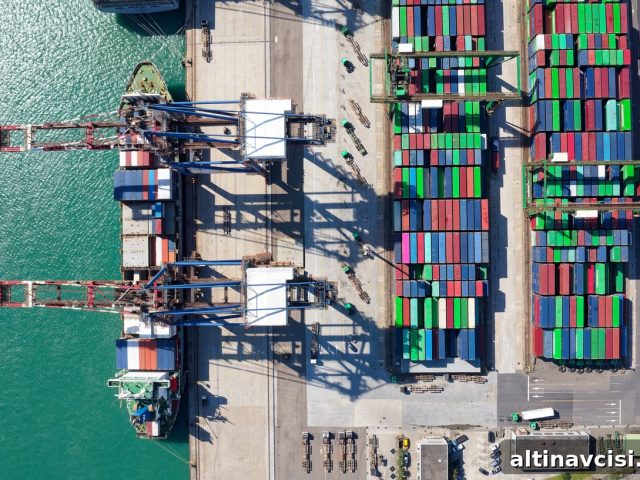
Walmart said the tariffs are not limited to goods from China. Management estimates that Chinese imports represent about 15% of Walmart’s U.S. sales, but the company is also seeing tariff effects on products sourced from other countries, including Costa Rica, Peru, and Colombia. Notable items called out include bananas, avocados, coffee, and roses—everyday consumer goods that can influence shopping baskets and categories across the store.
Price Increases and Consumer Effects
According to Walmart’s leadership, the company has already implemented price increases on some products and plans to do more as the year continues. Because retail margins are narrow, absorbing tariff-driven cost increases would significantly erode profitability. That dynamic makes passing some costs through to consumers a likely outcome, particularly on items where tariffs are directly applied or where import costs have risen.
Outlook: Sales Guidance but No Earnings Forecast
Walmart provided a sales outlook for the second quarter, projecting same-store sales growth in the range of 3.5% to 4.5%. However, the company declined to issue specific earnings guidance, citing the unpredictable economic environment and the difficulty of modeling the full impact of tariffs and other macroeconomic factors. The lack of firm earnings guidance contributed to investor caution following the earnings release.
What This Means for Investors and Shoppers
For investors, Walmart’s message is a reminder that strong near-term results can be overshadowed by risks to future margins and profitability. The combination of broad tariffs and slim retail margins creates an earnings-risk scenario that may weigh on the stock until there is clearer visibility on tariff policy and cost pass-through. For shoppers, the more immediate effect could be higher prices on select imported produce and other tariff-impacted goods.
Key Takeaways
- Walmart beat Q1 earnings expectations but shares fell about 5% after management highlighted tariff-driven cost pressures.
- CEO Doug McMillon said Walmart has raised prices on some items and will continue to do so due to the “magnitude of the tariffs” and “narrow retail margins.”
- Tariffs affect not only Chinese imports—estimated at about 15% of the company’s U.S. sales—but also goods from Costa Rica, Peru, and Colombia, including bananas, avocados, coffee, and roses.
- Walmart projects Q2 sales growth of 3.5–4.5% but did not issue specific earnings guidance because of the unpredictable environment.
Investors and consumers will likely be watching subsequent updates from Walmart for clearer indications of how widespread price changes will be, whether margins stabilize, and how tariff policy may evolve. Until there is greater clarity, the combination of tariff pressure and tight retail margins remains a key source of uncertainty for the company’s near-term financial outlook.
Popular Topics
Picked from the archive
-
01
 Topics
Gold Price Nears $3,350 Amid Geopolitical Tensions, Weak Dollar
-
02
Topics
Trump’s Remarks Send Gold to Record $3,400
-
03
Topics
Bessent Rejects CEOs’ Recession Fears, Urges Main Street Focus
-
04
Topics
Fed Likely to Hold Rates Amid Rising Economic Concerns
-
05
Topics
Gold vs Silver 2025: Which Precious Metal Will Outperform?
-
06
Topics
Poland Tops Central Banks with 49-Tonne Gold Buy in Q1 2025
-
07
Topics
China Says Tariffs Are Meaningless, Targets Boeing and Minerals
-
08
Topics
Asian Buyers Return as Gold Prices Retreat from Records