China Warns of Diplomatic Fallout as Japan and South Korea Join US Talks
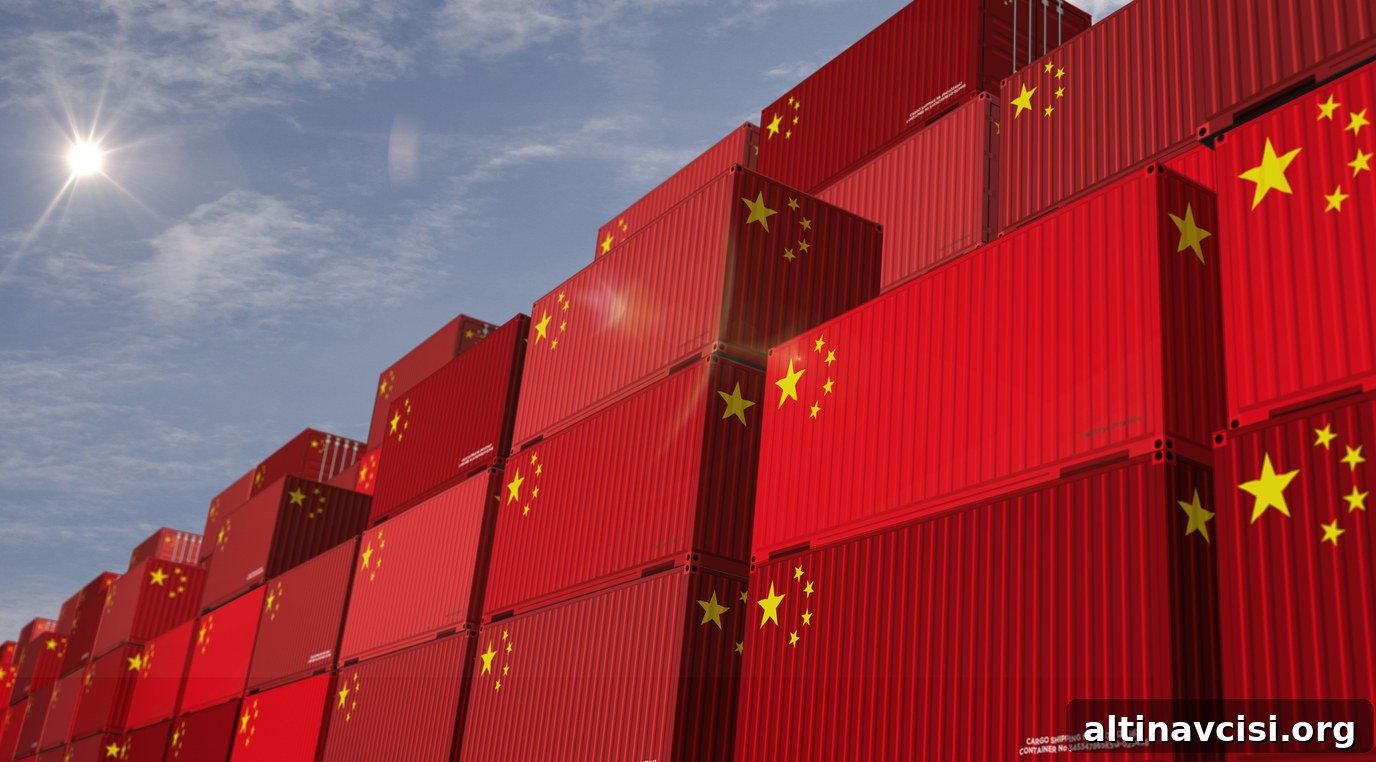
China Warns of Retaliation as U.S. Pressures Trading Partners on China Deals
China has issued a clear warning to countries negotiating new trade arrangements with the United States: if those deals are structured in a way that harms China’s interests, Beijing will respond. The statement underscores the growing diplomatic frictions that accompany trade policy shifts and highlights the geopolitical stakes behind modern trade negotiations.
U.S. Push to Limit Trade with China
The Trump administration, according to reports, has been applying pressure to roughly 70 trading partners, urging them to reduce or limit commercial engagement with China. This campaign reflects a broader strategy by Washington to reshape supply chains and curb economic practices it deems detrimental to U.S. competitiveness and national security.
For many countries, balancing economic ties with both Washington and Beijing is a delicate exercise. The prospect of new bilateral or regional agreements with the United States has forced policymakers to weigh the potential benefits of closer alignment with U.S. trade priorities against the risks of antagonizing one of their largest trading partners.
Japan Signals Resistance to U.S. Demands
Japan’s Prime Minister Ishiba has made it clear that Tokyo will not concede easily to U.S. demands in ongoing trade discussions. His comments suggest Japan is intent on protecting national economic interests and maintaining its own negotiating priorities, rather than accepting U.S. terms without scrutiny. That stance highlights how allies may diverge from Washington on tactics and objectives when national economic interests are at stake.
U.S. Releases an Eight-Point “Non-Tariff Cheating” List
In addition to tariff-focused measures, the U.S. has issued an eight-point list addressing “non-tariff cheating.” This framework draws attention to a range of trade-related practices that extend beyond simple tariff rates. The list seeks to frame concerns over how trade rules, regulatory measures, and market practices can affect fairness and competitiveness—areas that increasingly factor into modern trade diplomacy.
By broadening the discussion to include non-tariff issues, Washington is signaling that future trade negotiations will examine a wider set of economic instruments and behaviors. For partner countries, this shift means trade talks may touch on regulatory alignment, procurement practices, and other technical areas that can be politically sensitive at home.
U.S. and South Korea Set to Begin Negotiations
Against this backdrop, trade talks between the United States and South Korea are scheduled to begin this week. Those negotiations will take place amid heightened scrutiny of how bilateral agreements fit into the broader competition between the U.S. and China. Seoul faces the familiar challenge of reconciling its deep economic ties with China—its largest trading partner—and its strategic and economic relationship with the United States.
Implications for Global Trade and Businesses
The developments have several implications for global trade. First, they increase uncertainty for multinational companies whose supply chains span the United States, China, and other key markets. Firms may have to reassess sourcing, investment, and market access strategies in light of shifting trade rules and political pressures.
Second, the diplomatic signaling from Beijing and Washington suggests that trade policy will remain a tool of geopolitical competition. Countries negotiating with either side may face hard choices: prioritize economic advantage through closer ties to one partner or attempt to maintain balanced relationships with both.
Finally, these dynamics could spur broader discussions at regional and multilateral levels about how to manage non-tariff barriers and ensure predictable trading conditions. Whether through bilateral agreements or cooperative frameworks, nations will need to adapt to a trade environment where economic policy and national security concerns are increasingly intertwined.
As negotiations proceed with Japan, South Korea, and many other partners in the coming weeks, observers will be watching closely to see how these competing pressures shape the next round of trade deals and what concrete measures, if any, Beijing may take in response to agreements it perceives as injurious to its interests.
Popular Topics
Picked from the archive
-
01
 Topics
Reuters Poll: Gold Set to Extend Rally Through 2026
-
02
Topics
Gold’s 30% Post-Election Rally Consolidates as ETF Flows Slow
-
03
Topics
Kevin O’Leary Rejects Wall Street’s 2025 Recession Forecast
-
04
Topics
Zambia Readies Local Content Rules as Copper Output Surges 30%
-
05
Topics
Goldman Analyst: China’s Pre-Holiday Selloff Sends Gold Tumbling
-
06
Topics
Asian Gold Prices Split: India Discounts, China Premiums
-
07
Topics
India Proposes Targeted Zero-Tariff Offer to Speed US Trade Deal
-
08
Topics
China Opens New Hong Kong Gold Vault to Boost Trading