US Inflation Slows to 2.3% as Housing Costs Drive Prices

April US Consumer Price Data: Inflation Moderates, Annual Rate Falls to 2.3%
April’s US consumer price report surprised on the soft side, with both headline and core inflation rising just 0.2% for the month—below the 0.3% increase that had been forecast. On an annual basis, inflation cooled to 2.3%, marking the lowest yearly pace since early 2021. The data offer a clearer picture of current inflation dynamics and have prompted renewed discussion about price pressures, the role of short-term policy shifts and the outlook for consumers and markets.
Headline and Core Inflation: Modest Monthly Gains
The headline consumer price index (CPI) and the core CPI, which excludes volatile food and energy costs, both advanced by 0.2% in April. That uniformity in monthly gains suggests broad-based but modest upward pressure across categories, rather than large swings driven by a single sector. The smaller-than-expected monthly increase contributed to the notable decline in the year-over-year inflation rate to 2.3%.
Where Prices Moved: Food, Tariffs and Weekly Essentials
Among specific categories, grocery prices showed measurable easing, with an overall decline of 0.4% for the month. Within groceries, egg prices drove a sizable portion of the drop—the largest recorded monthly decline since 1984—helping to pull down the food-at-home component of CPI. While some categories reflected the initial effects of recent tariff adjustments, economists cautioned that it is still early to observe the full pass-through of tariff changes into consumer prices. Tariff impacts can emerge unevenly across supply chains and may take more time to influence retail prices broadly.
Market and Investor Reaction
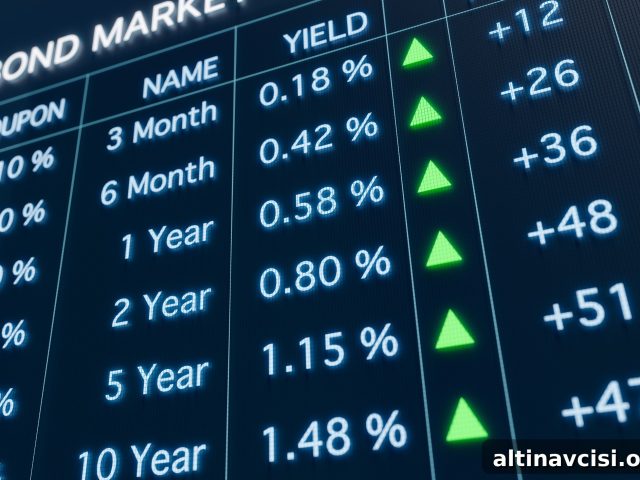
Financial markets reacted favorably to the softer inflation print. S&P futures moved higher following the release, and Treasury yields ticked down slightly as investors reassessed the near-term inflation trajectory. Lower-than-expected monthly inflation readings can ease market anxiety about persistent price pressures and influence expectations for interest rate decisions, but market moves also reflect a range of other factors such as economic growth prospects and global developments.
What This Means for Consumers and Policy
For consumers, a slowing annual inflation rate can help ease the pressure on household budgets, particularly as grocery bills and other everyday expenses become more manageable. However, the month-to-month variations remind us that inflation is still present and that individual experiences vary by spending patterns and regional factors. For policymakers and economists, the data provide evidence that inflationary forces are not uniformly accelerating, but they also underscore the need for continued monitoring to determine whether this moderation is sustained.
Economists’ Perspective and the Outlook
Economists generally view the April report as encouraging but caution that one month’s data are not definitive. While the annual pace at 2.3% is the lowest since early 2021, experts stress the importance of watching subsequent reports to confirm a continued downtrend. They also emphasize the lagged nature of some policy and trade measures—meaning that recent tariff changes, fiscal moves or supply chain adjustments may take time to show their full effects on consumer prices.
Key Takeaways
- Headline and core CPI both rose 0.2% in April, below the 0.3% forecast.
- The annual inflation rate fell to 2.3%, the lowest since early 2021.
- Grocery prices declined 0.4%, with egg prices posting a historically large monthly drop.
- Markets reacted positively: S&P futures rose and Treasury yields edged lower.
- Economists warn it is too early to draw firm conclusions about the full impact of recent tariff increases or other policy changes.
Overall, the April consumer price data point to a period of moderated inflation, offering some relief to households and market participants. Still, the persistence and distribution of price changes across sectors will determine whether this moderation becomes a durable trend. Observers will be watching upcoming monthly reports for confirmation that inflation continues to ease rather than resume upward momentum.
Popular Topics
Picked from the archive
-
01
 Topics
Fed Surveys: Manufacturing Sentiment Crashes Amid Trump Tariffs
-
02
Topics
China May Cut Tariffs on Key US Medical and Industrial Imports
-
03
Topics
Treasury Yields Fall After Surprise Producer Price Drop
-
04
Topics
China Warns of Diplomatic Fallout as Japan and South Korea Join US Talks
-
05
Topics
Fed Likely to Hold Rates as Tariffs Cloud Inflation Outlook
-
06
Topics
Walmart Stock Slides After Tariffs Trigger Price Hikes
-
07
Topics
US Dollar Rises After Trump Retreats From Fed Threats
-
08
Topics
Metal Markets Rally Ahead of Fed Rate Decision This Week