Dollar Steady After US-China Trade Truce, Yuan Hits 6-Month High
Dollar Rallies After US-China Tariff Pause, Markets React
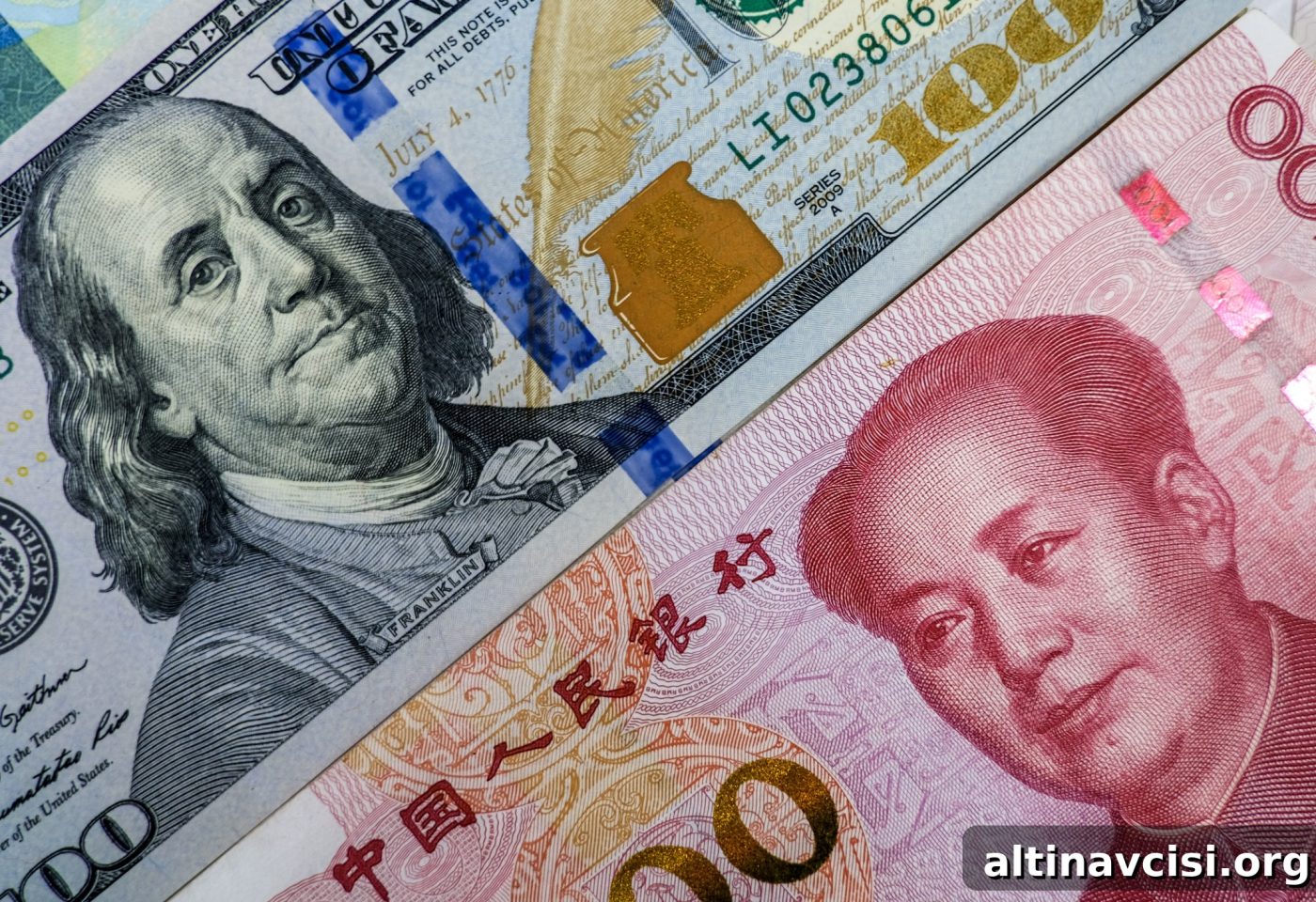
The US dollar extended its recent gains on Tuesday after Washington and Beijing announced a pause in tariffs, triggering a broad relief rally across stock and currency markets. The initial announcement on Monday sent risk assets higher and pushed the dollar to its strongest level in about a month against a basket of major currencies. At the same time, China’s yuan climbed to roughly a six-month high, providing support to other commodity-linked currencies such as the Australian dollar and the New Zealand dollar.
Market participants interpreted the tariff pause as a reduction in trade tensions that had been weighing on global growth expectations. When trade risks ease, investors typically move back into equities and higher-yielding currencies, reducing demand for safe-haven assets. That shift has been a key driver behind the relief rally in both stocks and currencies following the tariff announcement.
Despite the immediate market reaction, analysts remain divided on whether the dollar’s recent strength will persist. Some strategists argue the surge could be short-lived as capital repositions globally, while others caution that the reduction in trade uncertainty might not be sufficient to reverse longer-term structural trends. A recurring theme among market watchers is the possibility that investors may gradually reduce a concentrated exposure to US assets, which could lead to a more protracted weakening of the dollar over time.
The strengthening of the yuan has particular significance for regional currencies and commodity markets. A firmer Chinese currency tends to lift sentiment for economies with strong trade and commodity links to China, helping the Australian dollar and New Zealand dollar gain ground. For exporters and importers, a firmer yuan can alter competitive dynamics and pricing strategies, while commodity producers may see changes in demand expectations if Chinese consumption is perceived to be improving.
On the monetary policy front, the tariff pause has shifted market expectations regarding Federal Reserve actions. With trade tensions easing, investors have trimmed the likelihood of multiple rate cuts from the Federal Reserve this year. Reduced expectations for aggressive easing can, in the near term, support the dollar because higher relative US interest rates typically attract capital inflows. However, this dynamic is balanced by the potential for a longer-term repositioning of international portfolios away from US assets if global growth prospects strengthen and alternative markets offer attractive returns.
For corporate treasurers and multinational firms, rapid swings in the dollar, yuan, and other major currencies increase the importance of active currency risk management. Companies with revenues tied to export markets may see changes in profit margins and competitiveness as exchange rates shift. At the same time, investors and portfolio managers are likely to reassess allocations across equities, bonds, and currencies to reflect the evolving trade and monetary policy outlook.
Volatility in exchange rates can also affect emerging markets. A firmer dollar historically raises funding costs for countries and companies that rely on dollar-denominated debt, while a softer dollar can ease refinancing pressure. The current environment — a mix of a near-term dollar rally alongside expectations that its longer-term dominance could be tested — underscores the uncertain path ahead for global capital flows.
Looking forward, several factors will determine whether the dollar’s recent advance is sustained. These include the durability of the tariff pause and any follow-up negotiations between the United States and China, shifts in global growth momentum, and the Federal Reserve’s policy decisions in response to incoming economic data. Additionally, investor behavior—whether capital continues to flow back into US assets or moves toward a broader diversification—will be important in shaping the currency outlook.
In summary, the tariff pause delivered an immediate relief rally that pushed the dollar to a one-month high and lifted the Chinese yuan to around a six-month high, benefiting regional currencies like the Australian and New Zealand dollars. While this reduced trade tension has also cut expectations for Federal Reserve rate cuts, analysts caution that the dollar’s strength may be temporary as investors reassess their exposure to US assets and react to the evolving macroeconomic and policy landscape.
Popular Topics
Picked from the archive
-
01
 Topics
Rising Mortgage Delinquencies Threaten Housing Market
-
02
Topics
U.S. $18 Trillion Debt Crisis: Paying for Lunch on Credit
-
03
Topics
Oil Rises as Trade Tensions Ease and Inflation Outlook Improves
-
04
Topics
Gold Slips as US-China Trade Tensions Ease, Investors Eye Data
-
05
Topics
Incrementum Gold Compass: May 2025 Market Outlook
-
06
Topics
Goldman Analyst: China’s Pre-Holiday Selloff Sends Gold Tumbling
-
07
Topics
Gold Fields Acquires Full Control of Gruyere Mine for $2.4B
-
08
Topics
Gold Falls Below $3,300 as US-China Trade Hopes Rise