Central Banks Keep Buying Gold Despite Price Drop

Gold Outlook Remains Positive Despite Recent Pullback
Gold experienced a modest pullback of about 5% from its May peak, but key market indicators suggest the metal’s overall outlook remains constructive. Much of the recent correction appears to reflect a rebound in the U.S. dollar—roughly a 4% recovery—rather than a clear deterioration in gold’s underlying fundamentals. Traders and analysts point to a steepening futures curve as evidence that market participants still expect higher gold prices over time.
Market Movement and Underlying Drivers
The recent decline in the gold price coincided with a stronger dollar, which often puts downward pressure on dollar-priced commodities. When the dollar rallies, investors can view gold as relatively more expensive in other currencies, which can temporarily reduce demand. However, the futures market tells a different part of the story: a steeper curve indicates forward pricing that rises with maturity, suggesting traders are pricing in higher levels for gold in the months ahead. That divergence—short-term downward price moves alongside longer-term upward expectations—underscores a market balancing near-term dollar dynamics with persistent bullish drivers.
It’s important to separate transient price swings from the broader backdrop. Short-term corrections can present buying opportunities for long-term investors, while also serving as reminders of gold’s volatility. At the same time, central bank activity and regulatory changes are reshaping the structural demand picture, offering reasons for more durable support under prices beyond day-to-day currency moves.
Central Bank Purchases and Reserve Diversification
Central banks remain active buyers of physical gold as they rebalance reserve compositions and diversify away from concentrated dollar exposures. Notable buyers include countries such as Poland and China, which have continued to add gold to their reserves. These purchases are typically part of long-term reserve management strategies: holding gold as a non-sovereign asset provides an insurance-like characteristic against currency, inflation and geopolitical risks.
Because central bank buying is deliberate and often accumulates over time, it can be a stabilizing force in the market. Unlike short-term speculative flows, official sector acquisitions tend to be slower and more predictable, contributing to sustained demand that supports prices once short-term volatility subsides.
Regulatory Shifts and Potential Institutional Demand
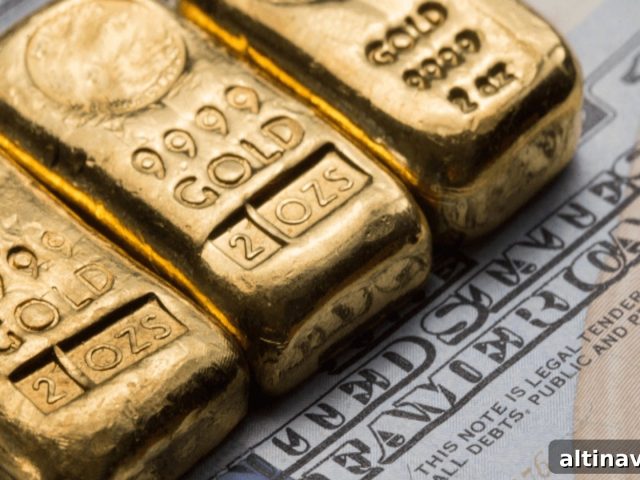
Recent adjustments to Basel III banking regulations have changed how gold is treated on the balance sheets of U.S. banks, upgrading its regulatory status in a way that may encourage greater institutional participation. Under the new treatment, physical gold can be recognized as a Tier 1 asset at full market value rather than as a lower-tier asset at a discounted value. This shift reduces a regulatory disincentive that previously made gold less attractive to some financial institutions.
By improving the capital treatment of physical gold, the regulatory change could make it easier for banks to hold bullion as part of their liquidity and capital management frameworks. While the move does not guarantee large-scale buying from every financial institution, it opens the door to a broader base of potential institutional demand and could alter how banks and other regulated entities view gold within diversified portfolios.
Implications for Investors
For investors considering gold exposure, the current environment combines near-term volatility with structural support. The price pullback tied to a stronger dollar may be temporary, particularly if currency strength moderates. At the same time, continued central bank accumulation and improved regulatory treatment for gold by banks provide longer-term tailwinds.
Investors should weigh gold’s traditional roles—store of value, hedge against inflation and geopolitical risk, and portfolio diversifier—against its potential for short-term price swings. Asset allocation decisions depend on individual risk tolerance, investment time horizon and broader portfolio goals. Those who view gold as insurance may prefer a steady, long-term allocation, while traders may focus on exploiting volatility and futures market signals.
In summary, despite a recent 5% correction from its May high, the combination of a recovering dollar, a steepening futures curve, ongoing central bank purchases and regulatory changes suggests the gold market retains constructive underlying momentum. These factors together point to continued institutional and official interest that could support prices over the medium to long term.
Popular Topics
Picked from the archive
-
01
 Topics
Fed Surveys: Manufacturing Sentiment Crashes Amid Trump Tariffs
-
02
Topics
China May Cut Tariffs on Key US Medical and Industrial Imports
-
03
Topics
Treasury Yields Fall After Surprise Producer Price Drop
-
04
Topics
China Warns of Diplomatic Fallout as Japan and South Korea Join US Talks
-
05
Topics
Fed Likely to Hold Rates as Tariffs Cloud Inflation Outlook
-
06
Topics
Walmart Stock Slides After Tariffs Trigger Price Hikes
-
07
Topics
US Dollar Rises After Trump Retreats From Fed Threats
-
08
Topics
Metal Markets Rally Ahead of Fed Rate Decision This Week