Kenya Central Bank to Rebuild Gold Reserves After 1998 Sale

Kenya Central Bank Examines Adding Gold to Foreign Reserves
The Central Bank of Kenya is actively investigating the possibility of adding gold to its foreign reserve portfolio as part of a broader effort to diversify away from heavy reliance on major foreign currencies such as the US dollar. Governor Kamau Thugge has confirmed that a feasibility study is currently underway, although he did not provide a specific timeline for when any decision might be taken.
Current Gold Holdings and Historical Context
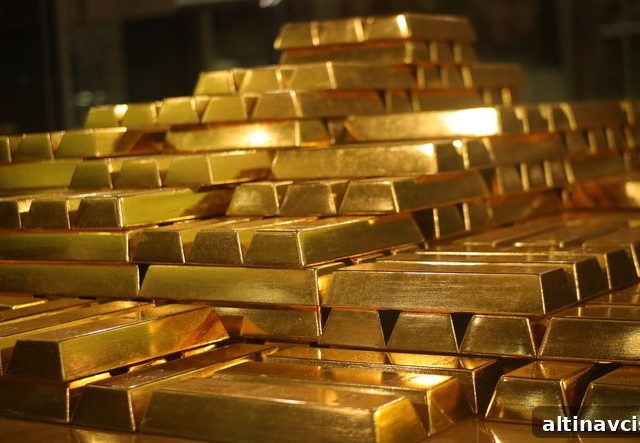
At present, Kenya’s official gold holdings are modest: the country holds roughly 600 ounces of gold, valued at about $1.3 million. This small balance reflects a decision decades ago to reduce and largely exit gold reserves; most of Kenya’s previous gold holdings were sold in 1998. The idea to revisit gold as a component of reserves marks a shift in thinking about how to structure national buffers against external shocks.
Why the Central Bank Is Considering Gold
Central banks commonly review the composition of their reserves to manage risk and preserve value. Gold is often considered because it can offer diversification benefits: it is a tangible asset with a long history as a store of value and is not tied to the monetary policy of any single country. Adding gold to reserves can potentially reduce vulnerability to currency fluctuations, support confidence in the currency, and contribute to a more balanced reserve mix.
That said, gold also carries trade-offs. It does not generate interest or yield, storage and security involve costs, and its price can be volatile. Any move to increase gold holdings would depend on an assessment of how those benefits and costs align with Kenya’s broader macroeconomic objectives, liquidity needs and currency-management framework.
What the Feasibility Study Will Likely Examine
While the central bank has not released the study’s content, a comprehensive feasibility review typically evaluates several factors, including:
- The optimal share of total reserves that could be allocated to gold without compromising liquidity needs;
- How gold holdings would be acquired—options might include physical bullion purchases or other instruments that track gold prices;
- Storage, security and insurance arrangements for physical gold, or the costs and counterparty risks of alternative instruments;
- Accounting, reporting and regulatory implications for reserve management and transparency;
- How gold would interact with existing reserve currencies and the central bank’s monetary and fiscal objectives.
Broader Economic Context
The review into gold comes at a time when Kenya is also seeking a new program with the International Monetary Fund. The country’s previous IMF arrangement, valued at $3.6 billion, ended early in March. Efforts to secure a fresh program typically aim to support macroeconomic stability, fiscal consolidation and external financing needs. Reserve composition decisions are often considered alongside such programs because they affect external liquidity and confidence.
Governor Thugge’s confirmation of the feasibility study signals that reserve managers are weighing strategic options to strengthen the country’s external position. Any subsequent steps will reflect both the findings of the study and the government’s policy priorities.
What to Watch For Next
Observers and market participants are likely to monitor several indicators as the process unfolds: official statements from the Central Bank of Kenya, details of the feasibility study once released, and any technical decisions about acquisition methods or storage. Changes to reserve policy typically follow careful analysis and, if implemented, are communicated in a way that aims to minimize market disruption.
For now, the plan remains exploratory. The central bank’s study will determine whether adding gold is practical and aligned with Kenya’s financial and policy objectives, and if so, what the appropriate scale and structure of such holdings should be.
Popular Topics
Picked from the archive
-
01
 Topics
Goldman Sachs Sees Gold Rally Reaching $4,500 on Tail Risk
-
02
Topics
US Launches Tariff Probe into China’s Critical Minerals Supply
-
03
Topics
Precious Metals Drop After US China Tariff Cut
-
04
Topics
Is Gold Overcrowded for Investors? Data Says No
-
05
Topics
Powell Says Tariffs Fuel Tension Between Inflation and Growth
-
06
Topics
Gold Drops 3% as U.S.-China Trade Deal Calms Markets
-
07
Topics
Foreign Treasury Selloff Threatens U.S. Borrowing Costs
-
08
Topics
Why Investors Remain Bullish Despite 60 Percent Recession Odds