Federal Reserve Signals Rate Cuts Delayed Until Fall 2024
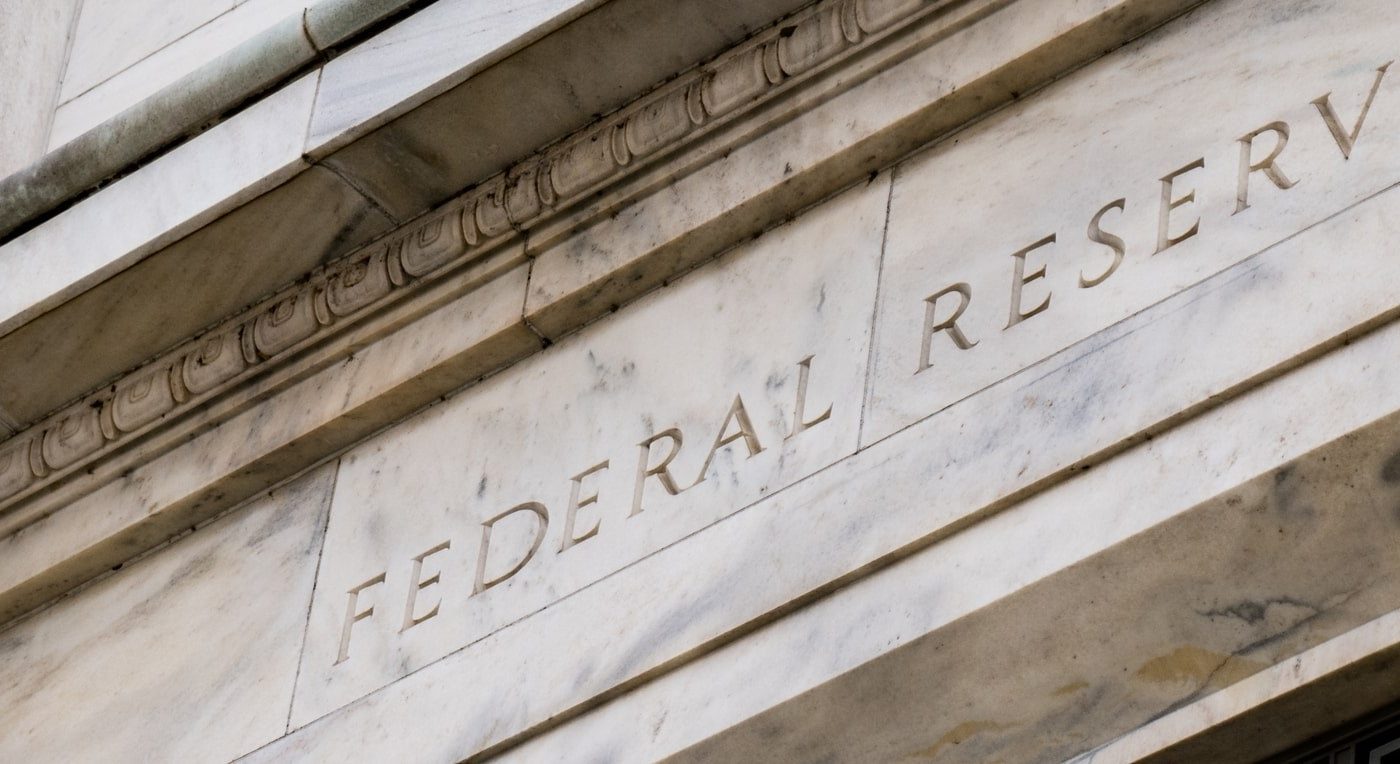
Federal Reserve Appears United in Delaying Interest Rate Cuts Until Late 2024
The Federal Reserve has increasingly signaled a collective inclination to postpone interest rate reductions until the latter part of 2024. Recent statements and market behavior indicate that even Fed members who have traditionally leaned toward easier policy are urging patience, preferring to wait for clearer evidence that economic conditions warrant lower rates.
Why the Fed Is Holding Off
Officials at the central bank are emphasizing caution. They want to avoid “pre-emptive moves”—that is, lowering rates in anticipation of future weakness without concrete signs that inflation, employment, or growth have softened materially. This cautious approach reflects a desire to balance the risks of cutting too soon, which could reignite inflationary pressures, against the risk of holding policy tight for too long and unnecessarily slowing the economy.
Christopher Waller, a Federal Reserve governor and a Trump appointee, has highlighted one specific area of uncertainty: trade policy. Waller has said that the economic effects of proposed tariffs and related trade measures are unlikely to become clear until the second half of 2024. Such uncertainties around trade and their potential impact on inflation and growth add to the case for a measured, data-dependent approach to policy changes.
Market Reaction and Expectations
Market pricing has responded quickly to the Fed’s tone. Traders and investors have largely removed the prospect of an imminent rate cut, with almost no probability priced in for a cut in May and a declining likelihood for June. As prospects for early easing fade, markets are increasingly focused on the second half of the year for any shift in policy.
This reassessment affects a wide range of financial instruments. Short-term interest-rate futures, bond yields, and currency markets have all adjusted to reflect the possibility that policy will remain restrictive for longer. Equity markets, which often react to changes in interest rate expectations, are monitoring whether slower growth or persistent inflation emerges as policy stays tighter for an extended period.
What Economists Now Forecast
Most economists have revised their forecasts in line with Fed comments and market signals. The consensus among many forecasters is that the first interest-rate reduction is more likely to occur in September or October rather than in the spring or early summer. These projections hinge on the assumption that incoming economic data will gradually provide clearer signals on inflation trends, labor market conditions, and the broader demand outlook.
Analysts emphasize that the Fed’s stance is data-dependent: should inflationary pressures ease and labor market indicators soften, the central bank would be more inclined to consider rate cuts. Conversely, if inflation remains stubborn or the economy proves resilient, policymakers may postpone easing even further.
Implications for Households and Businesses
For consumers and businesses, a later timeline for rate cuts means borrowing costs—such as those for mortgages, auto loans, and business financing—may stay elevated longer than previously hoped. This can influence decisions about home purchases, capital expenditure, and refinancing. On the other hand, the Fed’s approach aims to prevent a premature loosening that could undermine the progress made in returning inflation toward target levels.
Longer-term investors are also adjusting portfolios to reflect the prospect of a higher-for-longer interest rate environment. This may involve reassessing duration risk in bond portfolios, evaluating dividend-paying equities, and revisiting assumptions about corporate profit margins in a higher-rate context.
Looking Ahead
As the year progresses, attention will focus on a steady stream of economic data: inflation readings, employment reports, consumer spending, and any developments around trade policy. The Fed’s public communications and minutes from future meetings will also be closely scrutinized for signals about the timing and conditions under which policy could ease.
For now, the message from the Federal Reserve is clear: patience is the guiding principle. Rather than reacting to short-term fluctuations, policymakers appear intent on securing a clearer picture of the economic outlook before making meaningful adjustments to interest rates.
Popular Topics
Picked from the archive
-
01
 Topics
Reuters Poll: Gold Set to Extend Rally Through 2026
-
02
Topics
Gold’s 30% Post-Election Rally Consolidates as ETF Flows Slow
-
03
Topics
Kevin O’Leary Rejects Wall Street’s 2025 Recession Forecast
-
04
Topics
Zambia Readies Local Content Rules as Copper Output Surges 30%
-
05
Topics
Goldman Analyst: China’s Pre-Holiday Selloff Sends Gold Tumbling
-
06
Topics
Asian Gold Prices Split: India Discounts, China Premiums
-
07
Topics
India Proposes Targeted Zero-Tariff Offer to Speed US Trade Deal
-
08
Topics
China Opens New Hong Kong Gold Vault to Boost Trading