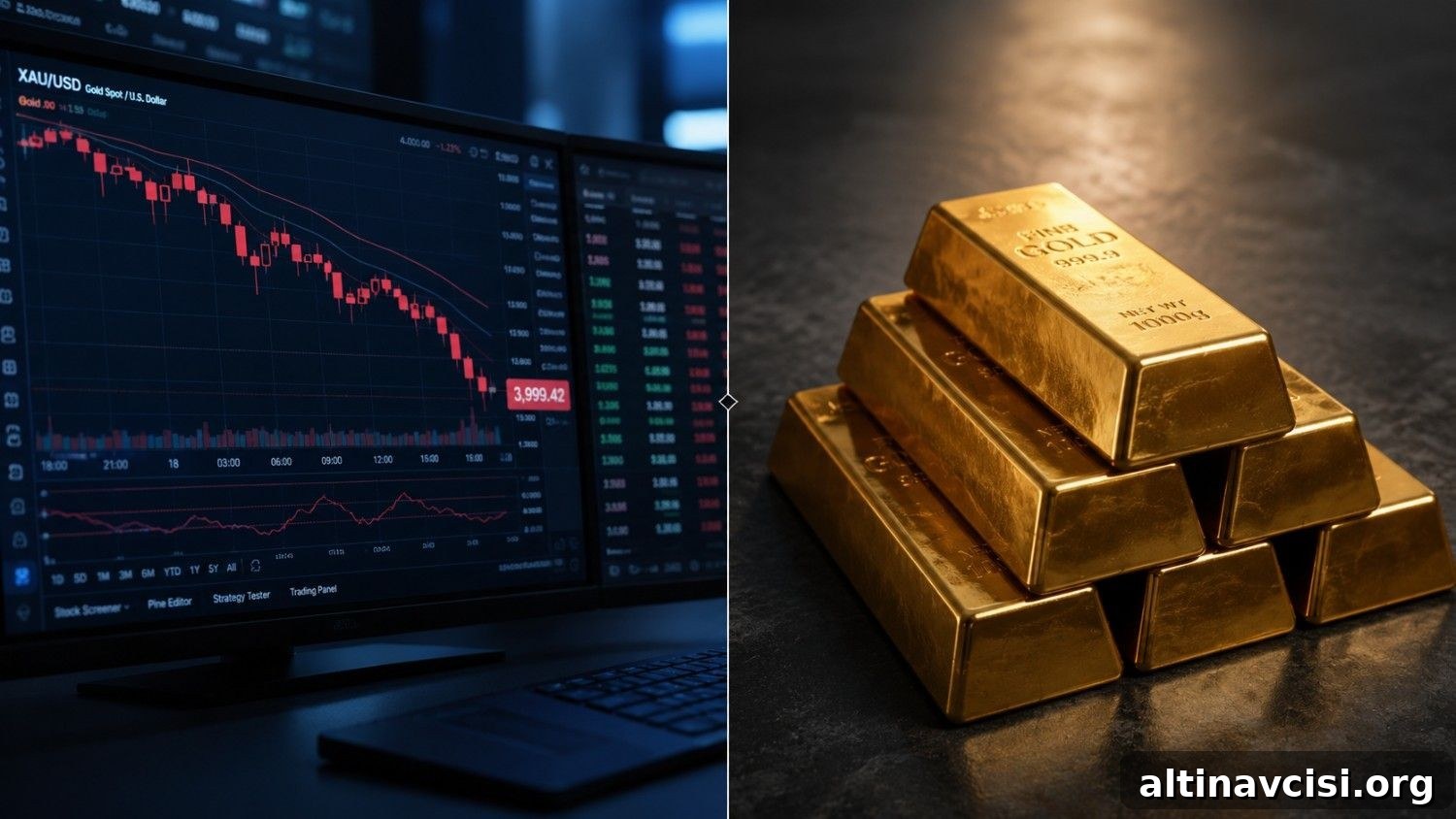
In today’s update: Gold has dropped below $4,000 for the first time since November 2025 and silver has fallen under $60 for the first time since December 2025. Yet beneath the headline weakness, China recorded its largest monthly gold imports in over two years, gold ETFs reversed recent outflows, and major banks continue to project materially higher gold prices by year-end.
On June 24, gold dipped below the $4,000 mark — a level not seen since late 2025 — while silver plunged more than 5% in a single trading session. The immediate catalyst was a marked shift in U.S. monetary policy expectations: futures markets moved sharply to price in a higher probability of a September rate increase. That hawkish pivot boosted the dollar to a roughly 13-month high and pressured non-yielding assets like gold and silver. From the surface the market looks weak, but there are important signals under the surface that suggest the sell-off is not the full story. Chinese physical demand is strong, ETF flows have begun to stabilize, and major financial institutions still favor higher gold prices over the medium term. In short, paper trading and physical accumulation are painting different pictures right now.
Why Did Gold and Silver Sell Off This Week?
The core reason for the sharp intraweek decline is straightforward: expectations for tighter U.S. monetary policy increased materially. Market-implied odds for another rate hike rose significantly, and central bank officials publicly emphasized their commitment to price stability. Those signals lifted the dollar and put immediate pressure on precious metals, which do not pay interest. Analysts quickly adjusted near-term forecasts to reflect the new environment. The familiar mechanism is at work: stronger policy expectations push the dollar higher and reduce the appeal of non-yielding assets, triggering notable pullbacks. Historically, these pullbacks have been cyclical rather than structural, and the resolution often depends on subsequent data and central bank comments.

The Edge Every Investor Needs
Smarter precious metals investing starts here. The Nuggets Newsletter brings essential market insights, Fed updates, global trends, educational videos, and much more.
What Does Investor Panic Historically Signal for Gold?
Surveys show confidence to invest is at a multi-year low, with only a quarter of respondents saying now is a good time to invest. That sentiment reflects recession concerns and elevated market volatility, and many retail investors have moved to cash or bonds. Historically, broad investor capitulation often appears late in a correction rather than at the start of a long-term downtrend. For investors holding physical gold for portfolio diversification or as a store of value, short-term sentiment swings are less relevant. Gold’s role is to provide a hedge outside the traditional financial plumbing, and moments of panic commonly coincide with increased interest from long-term, strategic buyers.
Are Gold ETF Investors Starting to Come Back?
Last week saw one of the strongest weekly inflows into physically backed gold ETFs since mid-April, reversing several weeks of outflows that removed significant tonnage from fund vaults. Total ETF holdings remain elevated, and cumulative inflows year-to-date continue to be positive. Institutional ETF demand from Western investors is an important supporting pillar for the market, alongside central bank purchases and physical flows from Asia. When institutions re-enter during a correction, it often signals that they view dips as a buying opportunity rather than the start of structural weakness. Upcoming inflation and economic data will be key to whether this renewed interest continues.
Why Is China Still Buying Gold While the Price Falls?
China’s physical demand remains a dominant force in the global gold market. Recent official data showed a large monthly volume of gold imports, bringing year-to-date imports substantially higher than the prior year. Chinese buyers, including the central bank, have been actively adding to reserves and accumulating bullion bars and local gold products. This behavior looks strategic rather than reactive: purchases have been sustained while prices traded well below earlier highs. Persistent Chinese accumulation establishes an important structural floor under global physical demand and reduces the likelihood that price weakness alone will trigger a prolonged collapse in global demand.
Major Banks Still Forecast Higher Gold Prices Over Time
Several large banks maintain medium-term targets that imply notable upside from current levels. One international bank’s half-year outlook projects materially higher prices by mid-2027, citing continued central bank buying, persistent fiscal deficits, and a recovery in Western investor demand as real yields stabilize. Other major institutions list year-end and medium-term targets that also indicate meaningful appreciation. While near-term volatility can be sharp and driven by monetary policy expectations, the consensus among many institutional research teams is that structural demand and macro drivers support significantly higher prices over the next 12 to 18 months.
Stay On Top of Gold & Silver Prices
Get important market alerts sent straight to your inbox.
SOURCES
Summarized from major financial news and market data providers, central bank disclosures, and industry research reports available publicly in June 2026.
Disclaimer: This article is for informational purposes only and does not constitute financial or investment advice. Always consult a qualified financial adviser before making investment decisions.
You May Also Like:
- Gold Just Broke $4,000. The Mainstream Called the Debasement Trade Dead. They’re Wrong.
- Two Things Are Hitting Gold Simultaneously. Only One Is About Gold.
- Why Is Silver Down 5%? The Gold-Silver Ratio Explains.
- BofA Says Three Rate Hikes. Silver Just Priced In the First One.
- Iran Deal. Oil Falling. A PM Out. Gold Still Above $4,100.
- PCE Drops Thursday. Here’s What It Means for Gold.
- Goldman Sachs Gold Target Cut: What the $1,400 Gap Means