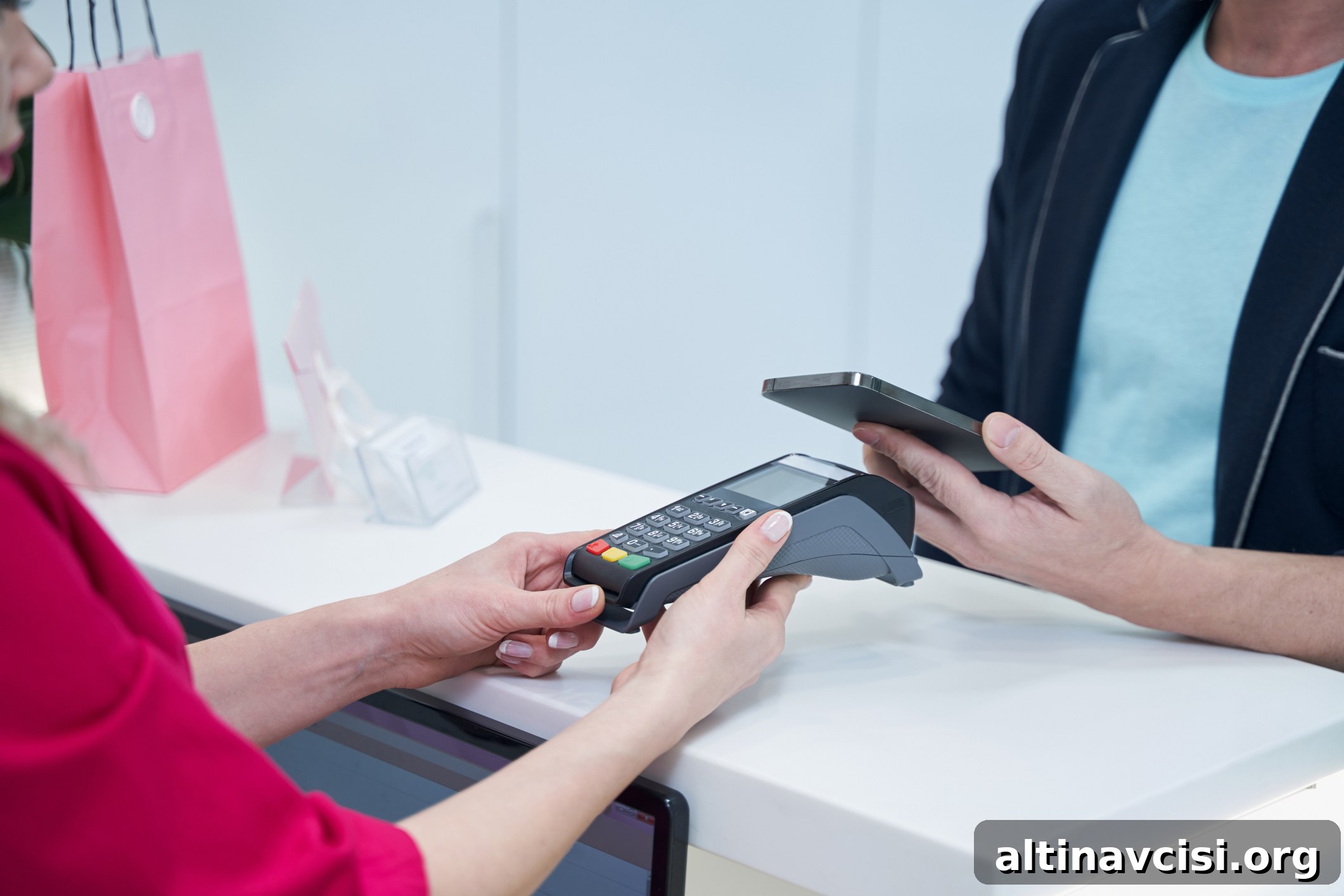
A notable change in consumer behavior is underway: 25% of Americans now use Buy Now, Pay Later (BNPL) services to buy groceries, up from 14% in 2024. This rapid rise highlights how many households are turning to alternative payment options as everyday budgets tighten.
Several factors are driving the shift. Persistent inflation and ongoing economic uncertainty have stretched household incomes, prompting shoppers to seek ways to spread the cost of essential purchases. BNPL programs allow consumers to divide a grocery bill into smaller, interest‑free installments or short‑term payments, making immediate needs more manageable.
However, while BNPL can provide short‑term relief, it also carries risks. Some users underestimate the cumulative impact of multiple BNPL plans, creating a situation where several overlapping payment schedules increase monthly obligations. As a result, missed payments and growing balances are becoming more common among BNPL customers.
Financial counselors warn that convenience can mask potential long‑term consequences. Missed BNPL payments may trigger late fees, negatively affect credit where reporting occurs, and contribute to mounting unsecured debt. For households already operating with thin cash buffers, these outcomes can erase the initial benefit of spreading payments.
Consumers considering BNPL for groceries should evaluate several practical steps to minimize risk. First, create a simple monthly budget that accounts for all recurring BNPL installments alongside regular bills and essential expenses. Second, prioritize plans with clear, fee‑free schedules and avoid taking multiple overlapping agreements. Third, use BNPL sparingly for truly necessary purchases rather than routine grocery runs, and keep track of due dates with calendar reminders.
Retailers and providers also play a role in how BNPL affects households. Clear disclosures about fees, payment schedules, and the consequences of missed payments can help users make informed choices. Some providers have begun offering educational tools and hardship policies to reduce the likelihood of consumer harm, but awareness and responsible use remain crucial.
The rise in grocery purchases made with BNPL underscores broader economic pressures shaping consumer behavior. While these tools can ease short‑term cash flow challenges, they are not a substitute for stable household finances. Careful planning, mindful use, and transparent consumer protections can help ensure BNPL remains a manageable option rather than a source of long‑term financial strain.