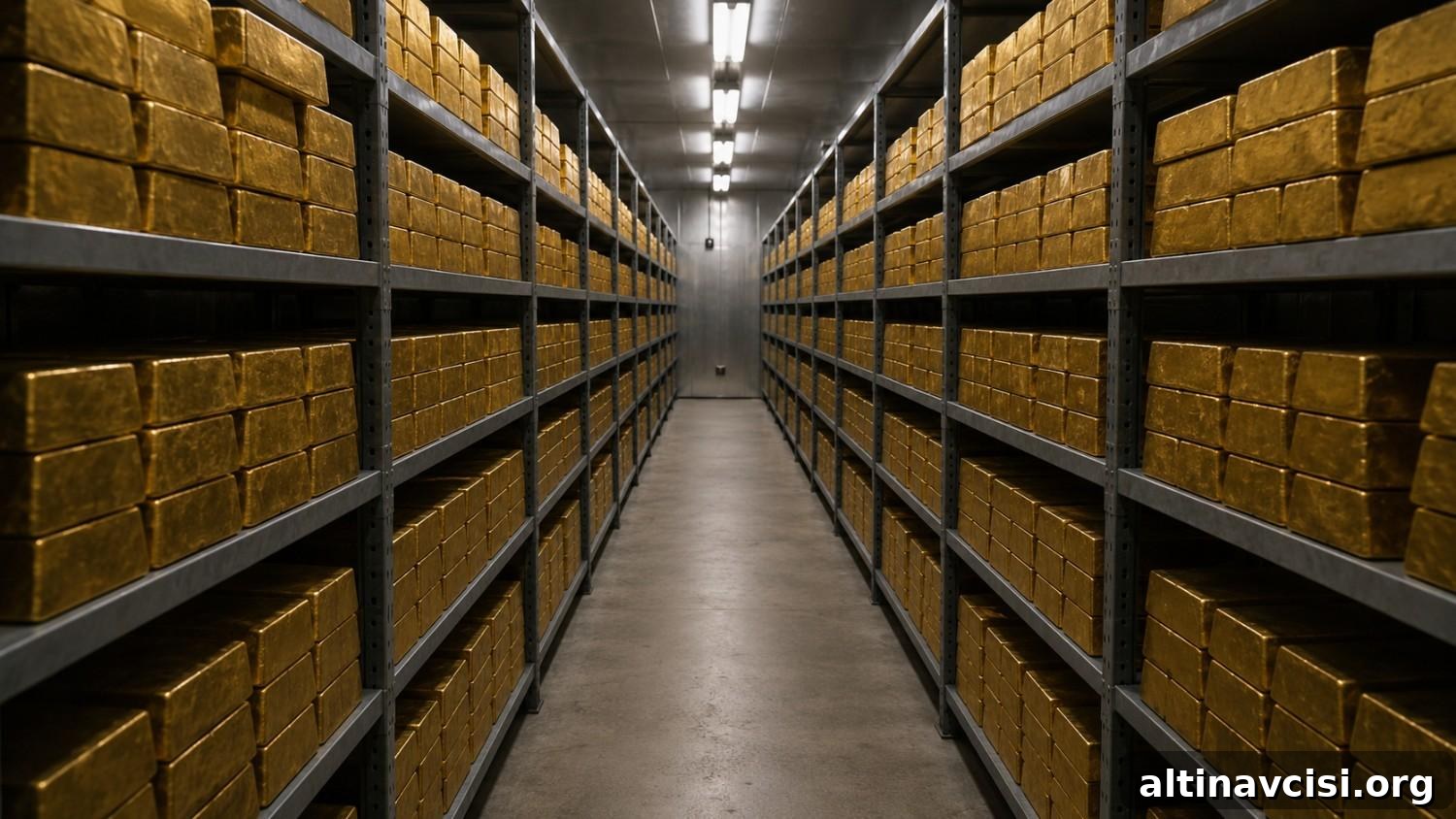
In today’s update: The 2026 gold outlook looks different than the headlines imply — a record 45% of central banks plan to add gold, Barclays maintains its $4,900 target, and CPM Group says the structural drivers remain intact.
Five institutional reports released within the past 72 hours — from the World Gold Council, Barclays, CPM Group, LSEG, and J.P. Morgan — reinforce the view that gold’s roughly 22% pullback from the January 2026 all-time high of $5,589 represents a positioning reset rather than a fundamental reversal. As of June 17, 2026, gold trades near $4,330 after a selloff triggered by the Iran conflict. The underlying case for gold has not broken. Below are the key findings and why they matter for the rest of 2026.
Is the FIFA World Cup Trophy the Most Accurate Gold Chart of 2026?
The FIFA World Cup trophy is crafted from 18-karat gold, and its weight has not changed. What has changed is the dollar value of that same metal. LSEG analysis published June 11, 2026, estimates the trophy’s gold content is worth roughly $713,000 today, up from about $277,000 in 2022 — a 157% increase in four years. Using a fixed-weight object like the trophy highlights a simple point: the amount of gold is constant, but the purchasing power of the dollar shifts. That observation is monetary, not market sentiment, and it applies to every ounce held in vaults worldwide.
The Edge Every Investor Needs
Smarter precious metals investing starts here. The Nuggets Newsletter delivers market insights, Fed updates, global trends, educational videos, and concise analysis.
Why Are 45% of the World’s Central Banks Planning to Buy More Gold in 2026?
The World Gold Council’s 2026 Central Bank Gold Reserves Survey, conducted between February 5 and May 19 with 76 central bank participants (the highest response rate in the survey’s nine-year history), found that a record 45% of respondents expect to increase gold reserves over the next 12 months, up from 43% in 2025. Overall, 89% of reserve managers anticipate global central bank gold holdings will rise, while only 1% expect a decline. The primary reasons cited are gold’s performance during financial stress, portfolio diversification, and protection against inflation. The survey also reports that 74% of reserve managers expect the dollar’s share of global reserves to fall moderately or significantly over the next five years — a collective institutional judgment about reserve strategy and currency diversification.
Does Barclays Still See $4,900 Gold After a 20–25% Correction?
When gold slid roughly 20–25% between January and June 2026, analysts asked whether the structural bull market had ended. Barclays’ cross-asset research team answered no. The bank attributes the decline to three near-term factors: a stronger US dollar, a broad equity rally that drew risk capital away from defensive assets, and the unwinding of leveraged gold positions. Sales by some central banks, notably Russia and Turkey, added short-term pressure. Importantly, Barclays considers these proximate causes temporary rather than structural. The bank reaffirmed its 2026 gold forecast at $4,791 and kept a 2027 target of $4,900. Barclays’ estimate of fair value sits near $4,150, which puts current prices roughly above that baseline and consistent with a recovery once the dollar trend and institutional buying reassert themselves.
What Does Kevin Warsh’s First FOMC Press Conference Mean for Gold?
Kevin Warsh’s first FOMC press conference as Fed Chair is a key near-term event for gold. Markets largely expect no rate move, but the Fed’s dot plot and tone will guide expectations about future policy. J.P. Morgan notes that a shift from an easing bias to a neutral stance — or a dot plot implying a potential hike later in the year — would strengthen the dollar and keep pressure on gold. Conversely, a dovish tilt would soften the dollar and support a continued gold recovery. The removal of short-term policy ambiguity tends to help gold, which benefits when rate expectations are clearer.
What Is CPM Group’s Gold Price Outlook for the Rest of 2026?
CPM Group’s managing partner Jeffrey Christian echoes the positioning-reset view: investor selling, profit-taking, and short positions drove the recent pullback rather than any collapse in fundamentals. CPM Group’s June 2026 analysis notes that gold tested the $4,100 area and may experience a period of volatile consolidation before moving higher later in the year. Silver retraced toward the mid-$60s per ounce and is also expected to consolidate. CPM Group points to the FOMC decision as the primary near-term catalyst and emphasizes that the structural drivers — elevated geopolitical and economic risk, and steady institutional demand — remain intact.
What Do These Five Institutional Signals Say About the 2026 Gold Price Outlook?
Taken together, these five institutional perspectives — the World Gold Council, Barclays, CPM Group, LSEG, and J.P. Morgan — point to one conclusion: the January-to-June correction was driven by leverage, shifts in sentiment, and a geopolitical shock, not by a collapse in gold’s structural case. Record central bank buying intent, affirmed price targets from major banks, and continued institutional demand all support the view that the long-term thesis for gold remains intact. Short-term price action changed; the underlying reasons many investors hold gold did not. That distinction matters for anyone deciding whether to hold through volatility or sell into it.
Stay On Top of Gold & Silver Prices
Get important market alerts sent straight to your inbox.
SOURCES
1. GoldSilver — Gold Price Charts
2. LSEG — Golden Goal: Football’s Top Prize Is the World’s Most Valuable Trophy
3. World Gold Council — 2026 Central Bank Gold Reserves Survey
4. TheStreet — Barclays analysis and coverage
5. J.P. Morgan — Coverage of Fed transition and expectations
6. CME Group — FedWatch Tool data
7. IndexBox — Coverage of CPM Group analysis
8. U.S. Treasury — Debt to the Penny data
9. IMF — Currency Composition of Official Foreign Exchange Reserves (COFER)
10. GoldSilver — Silver Price Charts
Disclaimer: This article is for informational purposes only and does not constitute financial or investment advice. Consult a qualified financial adviser before making investment decisions.
You May Also Like:
- The Fed Just Killed Its Rate Roadmap. Here’s What That Means for Gold.
- Gold Holds at $4,347 While Stocks Hit All-Time Highs. Here’s Why.
- Why Is Silver Up Today? The Iran Deal Changed the Fed Math
- Gold Up 3%, Silver Up 4.7%: Five Forces Driving Metals Higher Today
- Iran Peace Deal Sends Oil Down 5%, Gold Up 3%
- Gold & Silver Surge on Iran Peace Deal — Then Pull Back
- Silver Fell 22% in 30 Days. Gold-Silver Ratio Hits 63.
- Every Bearish Catalyst Landed at Once. Gold and Silver Went Up Anyway.
- Gold at Seven-Month Lows: Why Geopolitical Fear Is Not Enough
- Gold Slides to $4,130 as Iran War Turns Inflation Against It
- May CPI Printed 4.2%. Core Inflation Beat. So Why Did the Gold Price Drop?