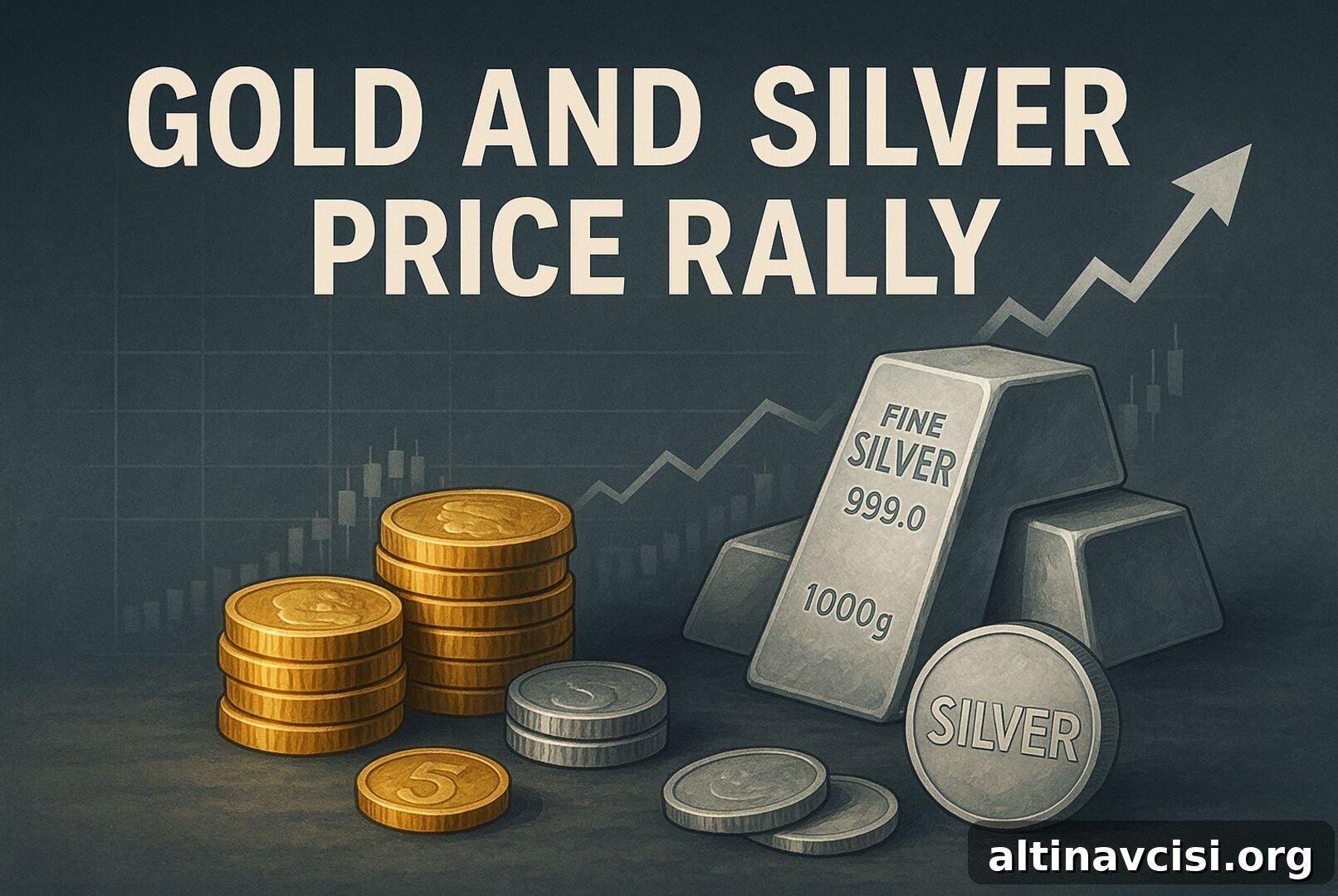
Precious metals are dominating market attention as gold recently climbed past $4,100 per ounce and silver surged above $51—both record highs. This powerful rally reflects growing investor demand for tangible assets amid rising economic and geopolitical uncertainty. Understanding the forces behind the gold and silver advance is essential for investors shaping long-term portfolios. Below are the five key drivers pushing precious metals higher in 2025 and what they mean for investors.
Investing in Physical Metals Made Easy
1. Federal Reserve Policy Shifts and the Interest-Rate Cycle
Federal Reserve policy is a primary driver of precious-metals prices. Historically, gold and silver rally when the Fed eases or signals a slower pace of rate hikes because lower real interest rates reduce the opportunity cost of holding non-yielding assets. With markets anticipating rate cuts and real yields trending down, conditions are favorable for continued strength in metals.
Gold’s move above $4,000 reflects a growing concern that the dollar may lose purchasing power, prompting investors to seek tangible stores of value. Silver has outperformed many asset classes since 2024, benefiting from the same policy tailwinds.
The takeaway: Falling real yields and weakening monetary confidence typically boost hard assets — a dynamic supporting the next leg up for gold and silver.
2. Persistent Inflation and Currency Debasement
Even if headline inflation moderates, the long-term decline in fiat currency purchasing power remains a concern. Large fiscal deficits and continued debt issuance dilute the value of paper money over time.
Gold and silver are performing their historical role as hedges against currency debasement. Metals don’t require runaway inflation to appreciate; they simply need inflation to exceed nominal interest rates. That dynamic is driving part of the current rally.
Silver’s sharp year-to-date gains highlight its sensitivity to inflationary pressures. Because silver has both industrial and investment demand and a smaller market size, it often amplifies gold’s gains during inflationary cycles.
3. Rising Geopolitical Tensions and Safe-Haven Demand
Geopolitical uncertainty — from trade tensions to regional conflicts — has elevated demand for assets that transcend borders and counterparty risk. Gold, long viewed as a refuge in times of political stress, tends to benefit when trust in institutions wavers.
Silver often magnifies safe-haven flows because of its greater volatility. Its recent rise above $50 reflects both investment demand and concerns about global instability.
Why this matters: In a volatile geopolitical environment, precious metals provide a reliable hedge against sudden market dislocations.
4. Central-Bank Gold Buying at Multi-Decade Highs
A major structural support for gold has been a surge in central-bank purchases. Official buyers have absorbed significant supply even as prices climb, signaling a shift in reserve strategies rather than speculative accumulation.
Reported data show meaningful monthly additions by several central banks, and surveys indicate a large majority plan to expand holdings further. That steady, policy-driven demand underpins gold prices and reduces the available market supply for private investors.
This behavior suggests the current price levels are being supported by long-term reserve repositioning, not only short-term market momentum.
5. Silver’s Industrial Boom and Tight Supply
Unlike gold, much of silver’s rally is rooted in industrial demand. The global transition to green energy — especially solar panels, electric vehicles, and advanced electronics — has increased silver consumption. A single solar installation can use a notable amount of silver, and rising deployment rates create sustained demand.
At the same time, silver mine output has struggled to keep pace. Declining ore grades and regulatory constraints have limited production growth, tightening the supply side. This imbalance between strong industrial demand and constrained supply has helped push silver to record levels above $51 per ounce.
The takeaway: Silver is not merely following gold; it is also being driven by structural industrial demand tied to electrification and renewable energy.
Positioning for the Next Phase
The interaction of dovish central-bank policies, persistent inflationary pressure, geopolitical risk, sovereign accumulation of gold, and booming industrial demand for silver has created strong secular tailwinds for precious metals. Gold’s break above $4,000 and silver’s move past $50 are signs that investors are repricing real assets in light of monetary and political trends.
For investors, diversification into physical precious metals can preserve purchasing power and act as insurance against systemic risk. Options include bullion, secure storage programs, and retirement-account allocations, each offering different balances of liquidity and custody.
Bottom line: In uncertain times, gold and silver remain reliable hedges. The drivers behind the current rally are structural, suggesting the move could continue as markets adapt to evolving economic and geopolitical realities.
Get Gold & Silver Insights Direct to Your Inbox
Join thousands of investors who receive market analysis, updates, and occasional offers.
People Also Ask
Why are gold and silver prices rising so quickly in 2025?
Prices have moved to record levels as investors respond to lower real interest rates, persistent inflation concerns, and substantial central-bank buying. Metals are acting as safe havens amid global uncertainty and a weaker dollar.
How do Federal Reserve policies affect gold and silver prices?
When the Fed shifts dovish or cuts rates, the opportunity cost of holding non-yielding assets falls. Historically, major gold rallies coincide with periods of falling or negative real yields, which makes metals more attractive relative to cash and bonds.
Are central banks still buying gold in 2025?
Yes. Many central banks have been active buyers, adding substantial amounts to reserves and signaling plans to continue increasing holdings. That official demand is a significant structural factor supporting prices.
What role does inflation play in the gold and silver price rally?
Metals preserve purchasing power as fiat currencies weaken. When inflation outpaces interest rates, investors often move into tangible assets like gold and silver to protect real value.
Why is silver outperforming gold right now?
Silver benefits from both investment demand and strong industrial consumption tied to the green-energy transition. With constrained mine supply and rising industrial use, silver’s price has been pushed higher and can outpace gold during tight market conditions.
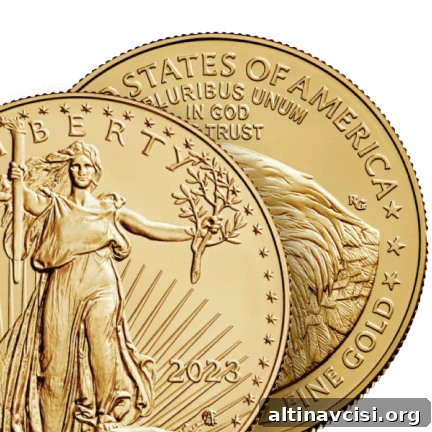
GoldSilver: Investing in Physical Metals Made Easy
GoldSilver offers options to buy, sell, store, and take delivery of physical precious metals, giving investors direct control over their holdings.
Open an Account