President Trump announced that his administration will send letters to trading partners within the next two to three weeks detailing the tariff rates that will apply to doing business with the United States. He said the volume of requests for trade discussions — he estimated about 150 countries — makes individual meetings impractical for his team.
According to the announcement, a handful of countries will remain priorities for ongoing negotiation. Those named include Japan, South Korea, India and the European Union, where talks will continue to refine terms. For most other countries, the administration plans to issue written notifications specifying the proposed tariff schedules. Recipients will be given information about how to appeal or request further review.
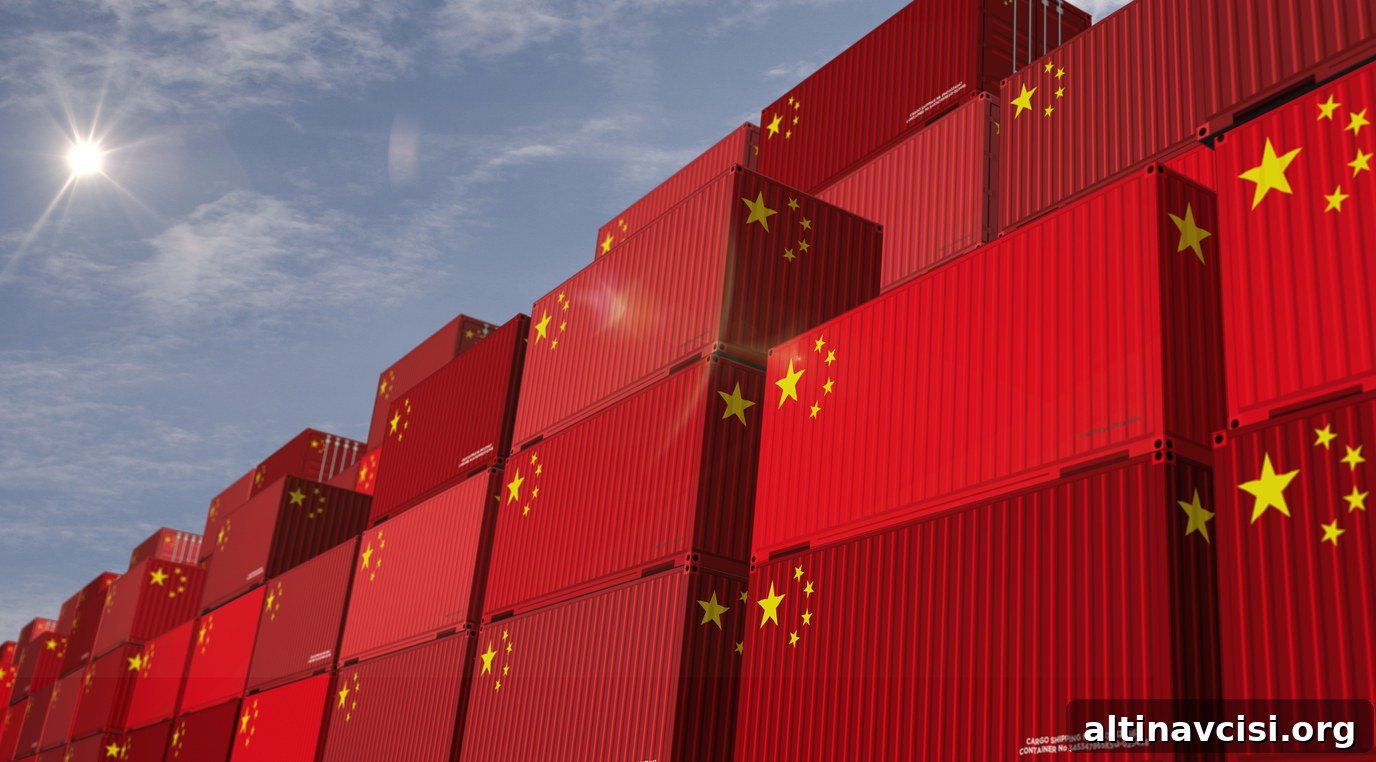
Trump noted that the United Kingdom has reached a bilateral agreement and that a separate temporary arrangement with China has been put in place to allow additional discussions to continue. Beyond those cases, the approach will rely on written communication to notify partners of their tariff status rather than conducting face-to-face meetings with every applicant.
The move is framed as an effort to streamline trade policy and provide clarity more quickly to a large number of countries seeking arrangements with the U.S. Officials said the letters will outline the rates and procedures for appeals so governments and businesses can assess the commercial impact and consider next steps. By prioritizing negotiations with a small set of major partners while notifying others in writing, the administration aims to accelerate the process of implementing its trade policy.
Observers expect the notifications to generate immediate attention from trading partners and industry groups that will want to evaluate how proposed tariffs affect supply chains, tariffs on imports and exports, and existing trade relationships. The appeal option will be a key feature for governments that seek adjustments or exceptions. Meanwhile, ongoing negotiations with priority countries could lead to more tailored agreements if both sides reach consensus on specific terms.
In summary, the administration will distribute tariff-rate notices by letter within weeks to most interested countries, continue in-person or extended talks with selected priority partners, and offer an appeal mechanism for those seeking changes or clarification.