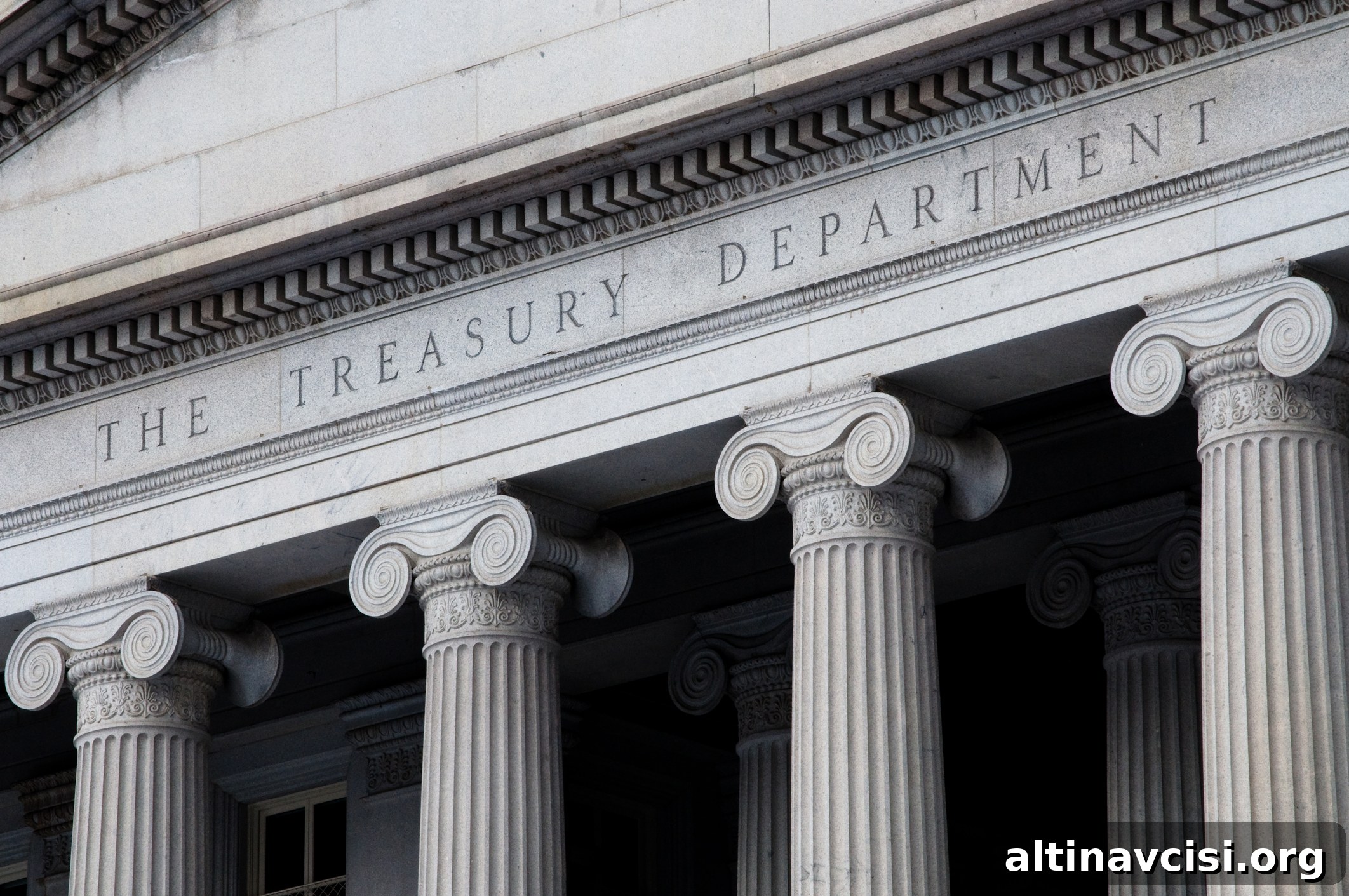
US Treasury markets rallied after President Trump’s selective tariff decisions eased near-term inflation fears. Markets responded to a mix of policy moves: the administration delayed tariffs specifically aimed at China, while crude oil prices fell in response to changes in offshore drilling rules. Those developments helped push the 10-year Treasury yield down about 10 basis points to roughly 4.53%.
At the same time, the announcement of 25% tariffs on imports from Mexico and Canada introduced new volatility. The news sent the Mexican peso and the Canadian dollar tumbling by more than 1% against the US dollar, and contributed to a stronger greenback. That currency response altered the overall market picture, offsetting some of the calming effect of the China tariff delay and lower oil prices.
Analysts remain divided on the durability of the Treasury rally. Some, such as UBS’s Mark Haefele, see room for yields to fall further and expect that easing inflationary pressures could eventually prompt the Federal Reserve to cut interest rates. Market-implied measures have shifted markedly: overnight-indexed swaps currently place the odds of multiple Fed rate cuts this year at around 52%, reflecting growing investor appetite for rate easing.
Other market participants are more cautious. Firms including ING and Nomura describe the rally as likely temporary, pointing to persistent structural headwinds and rising fiscal deficits that could keep upward pressure on yields over the medium term. Their view emphasizes that while policy shifts can move markets quickly in the short run, deeper fiscal and economic forces will ultimately shape interest rate trends.
The mixed reactions underline how sensitive global financial markets have become to incremental policy changes. Smaller, targeted moves—whether on trade, energy policy, or currency-affecting measures—can prompt large swings in bond yields, exchange rates, and investor expectations. For now, investors and policymakers alike are watching the interplay between tariff policy, energy developments, and fiscal dynamics to judge whether the recent rally in Treasuries will extend or reverse.
In sum, recent policy signals reduced immediate inflation concerns and helped push 10-year yields lower, but new tariffs on Mexico and Canada and longer-term fiscal pressures have injected fresh uncertainty. The result is a market torn between hopes for easier monetary policy and warnings that structural deficits and broader economic forces may limit any sustained decline in yields.