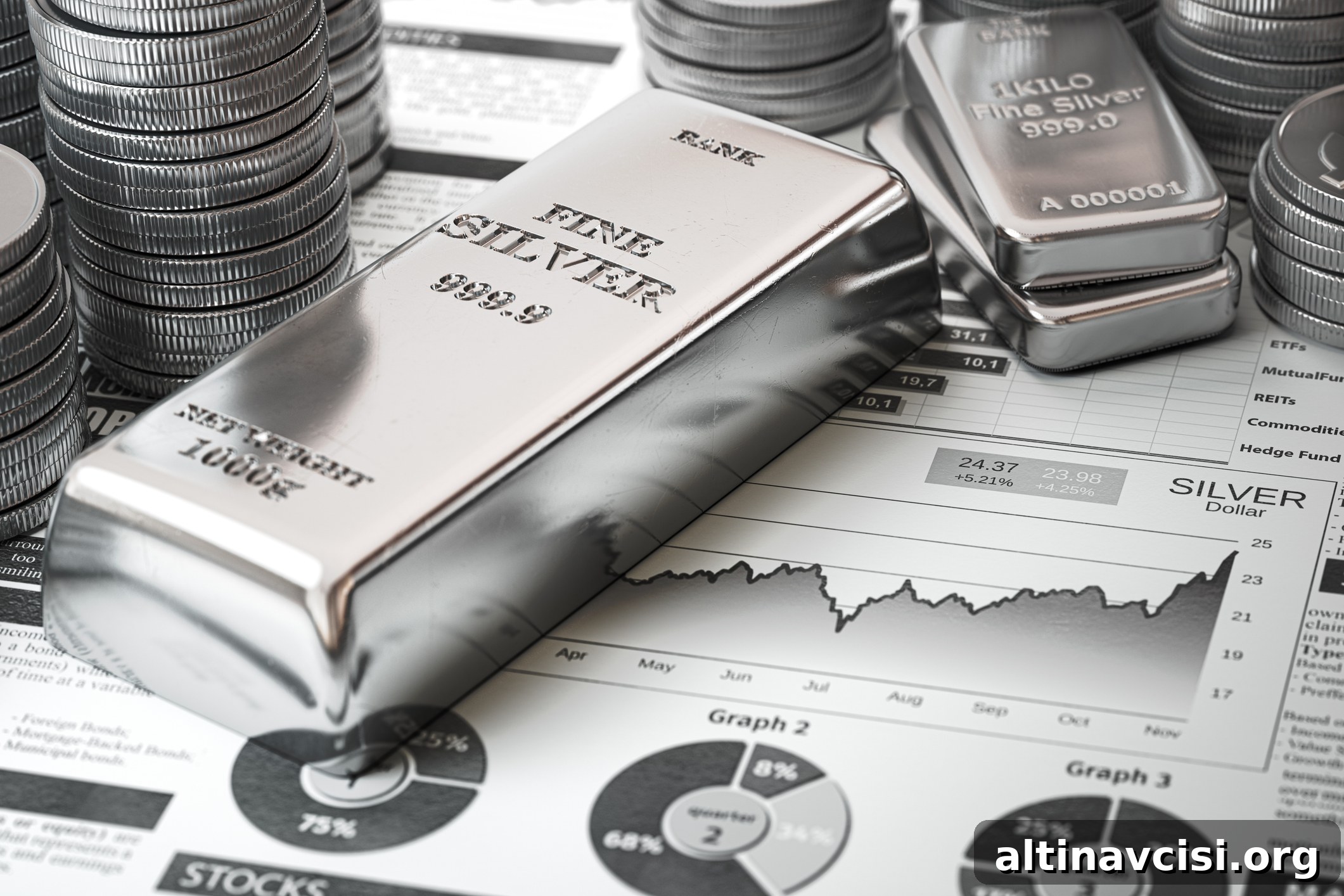
Investment bank Barrenjoey has raised its gold price forecasts by about 7%, now projecting an average of $2,900/oz for 2025–2029. Analyst Daniel Morgan says these projections sit roughly $100–300/oz (A$200–500/oz) above current market consensus. Silver forecasts were lifted by a similar 7%, to about $32/oz. The firmer outlook for precious metals supports Australia-listed miners, and Barrenjoey has retained overweight ratings on several names, including Capricorn Metals, Perseus Mining and West African Resources.
Gold has delivered strong performance so far in 2025, gaining roughly 11% to trade near $2,909.60 and briefly touching a record high of $2,947.90 on 24 February. The rally reflects demand for safe-haven assets as markets react to the introduction of tariffs under the Trump administration and growing concerns about stagflation in the US economy. As Ole Hansen of Saxo Bank observes, there is mounting speculation that the era of unquestioned US economic dominance may be waning, a view that is helping redirect capital into gold and into investments outside the United States.
By contrast, base metals have been more mixed. Copper prices have declined by nearly $200 per tonne since President Trump announced an investigation into possible copper import tariffs, producing significant price divergence between markets. US Comex copper is now trading at around a 10% premium to London Metal Exchange (LME) prices. Analysts at SP Angel highlight that copper market fundamentals remain relatively fragile: refined copper output has risen, notably as China expands smelter capacity, while Chinese demand growth has been broadly flat, pressuring prices.
The upgraded precious metals outlook and the weaker base metals picture underline the shifting dynamics across commodities. For gold and silver, upward revisions reflect expectations of continued safe-haven demand and macroeconomic uncertainty, while for industrial metals like copper the balance between rising supply and subdued demand continues to weigh on prices. Market participants and mining companies are adjusting positions in response—miners with significant exposure to gold have been favoured by analysts, while copper-focused assets face tighter scrutiny amid ongoing supply-demand imbalances.
Investors monitoring these trends should consider how macro drivers—tariff policies, inflation and growth fears, and regional production changes—could influence different segments of the metals complex. For precious metals, persistent geopolitical or economic uncertainty tends to support prices, while industrial metals remain sensitive to shifts in manufacturing demand and changes in production capacity, especially in major producers such as China.