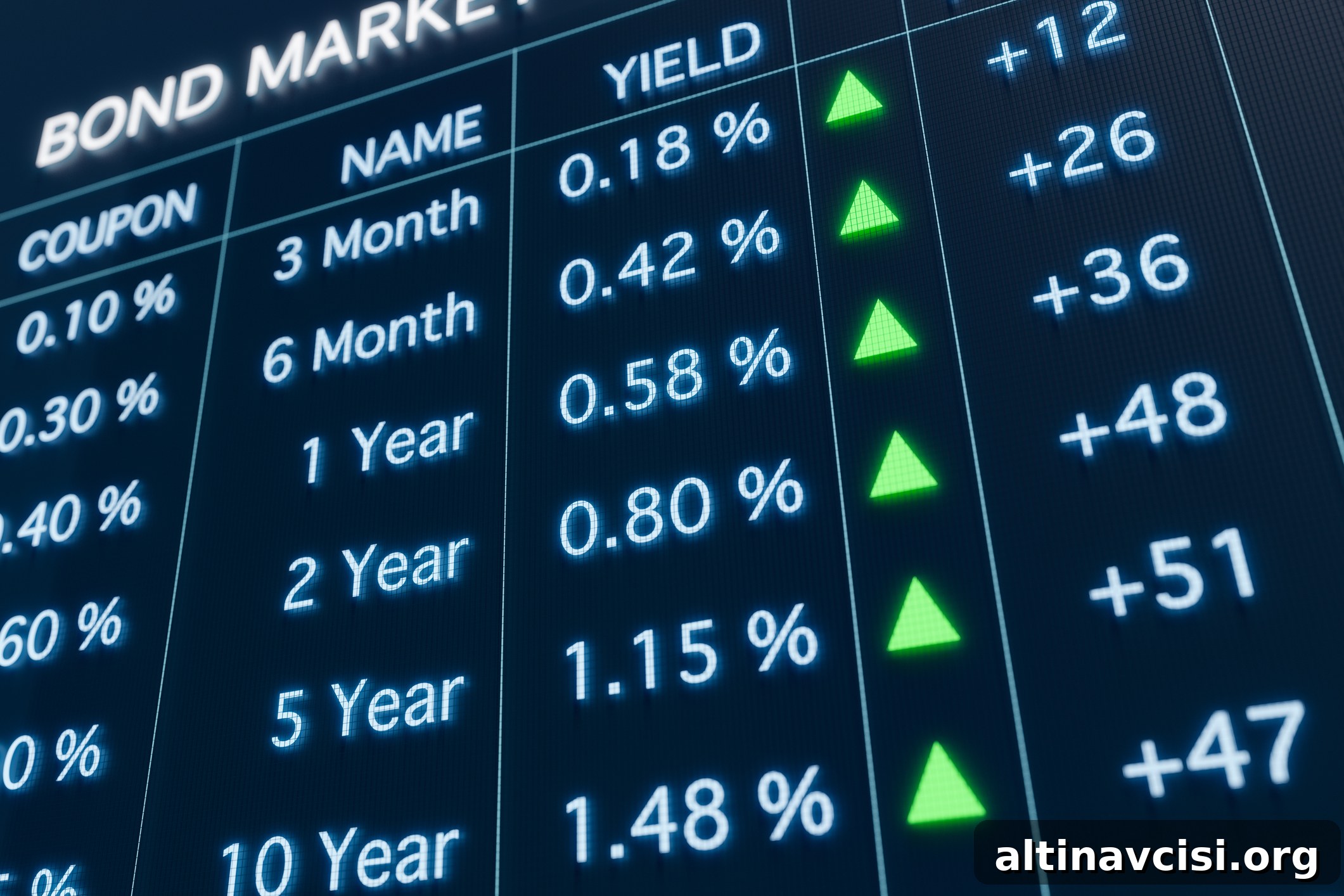
Following Israel’s strike on Iran’s nuclear program, the U.S. Treasury bond market saw an unexpected selloff on Friday that pushed yields slightly higher.
Investors initially moved into government bonds late Thursday seeking safety, but that demand quickly reversed as market sentiment shifted.
BMO Capital Markets strategists noted the change reflected growing concern about inflationary pressures, driven in part by rising oil prices. As energy costs climb, traders worried that inflation could accelerate, reducing the appeal of fixed-income securities.
The market became caught between two opposing influences: the usual flight-to-safety behavior that accompanies geopolitical unrest and mounting worries about renewed inflation. In this environment, bond investors weighed the short-term need for protection against the longer-term risk that higher energy prices and inflation expectations would erode real returns.
As a result, Treasury yields edged up modestly despite the initial surge into safe-haven assets. The episode highlights how quickly market sentiment can shift when geopolitical events intersect with concerns about commodity-driven inflation, and it underscores the fragile balance investors must navigate between preserving capital and protecting against rising prices.
Looking ahead, market participants will likely watch oil markets and inflation indicators closely for signs that concerns over price pressures either recede or intensify, which could further influence Treasury demand and yield movements.