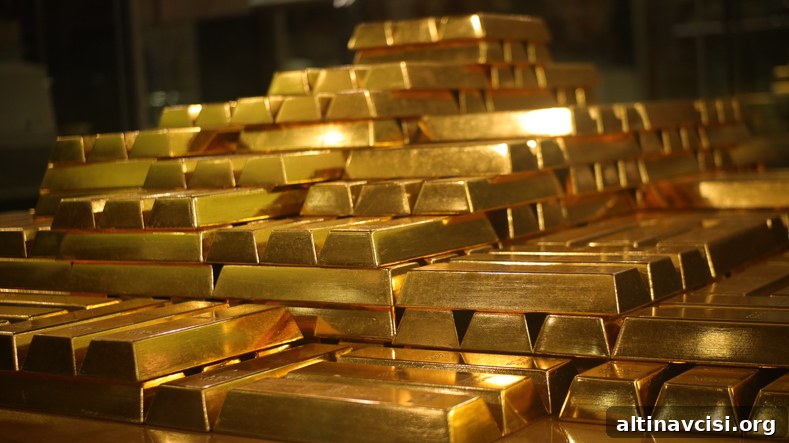
Gold prices are defying conventional market expectations, climbing toward $3,400 per ounce instead of retreating. This strength is not primarily driven by retail traders but by a steady and significant increase in central bank purchases.
Central banks are quietly accumulating roughly 80 metric tons of gold each month. These purchases signal a broader reassessment of reserve strategy: many monetary authorities are diversifying away from reliance on the US dollar and seeking assets that are not directly tied to any single country’s economic policy.
Growing concerns about the dollar’s reliability as a global reserve currency are central to this shift. Repeated instances in which the United States has restricted access to dollar markets or used financial measures as geopolitical tools have prompted other countries to reduce their exposure to dollar-denominated assets. In this context, gold’s independence from national policy decisions makes it an attractive alternative.
Poland’s central bank governor summed up the mood succinctly, describing gold as “free from direct links to any country’s economic policy.” That perspective resonates with a number of emerging and developed economies alike, which see gold as a hedge against geopolitical risk, sanctions, and the potential volatility of fiat currencies.
The current accumulation trend by central banks appears sustainable for as long as geopolitical tensions remain high and the policy stance of the United States continues to prioritize unilateral economic measures. Markets are taking note: persistent central bank demand creates a structural support for prices that goes beyond short-term speculative flows.
Several implications follow from this dynamic. First, as official sector demand rises, global gold inventories available to private investors may tighten, supporting higher prices. Second, increased central bank ownership can reduce price volatility over time because these purchases are typically steady and strategic rather than speculative. Finally, a shift in reserve composition can influence currency markets, as reallocations from dollar assets into gold or other currencies affect supply and demand for the dollar.
For investors, policymakers, and observers, the key takeaway is that gold’s recent rally reflects deeper strategic choices by sovereign institutions rather than mere market sentiment. The metal’s appeal lies in its perceived neutrality and ability to preserve value independent of the policies of any single nation.
While no asset is immune to price swings, the combination of sustained official purchases and a reassessment of dollar-centric reserve strategies suggests that gold’s elevated levels are supported by fundamentals extending beyond short-term speculation. That fundamental backdrop could help explain why prices are approaching levels many analysts once considered unlikely.