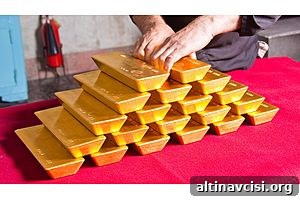
Gold has broken through the $2,700-per-ounce mark and reached a new all-time high. In recent weeks, several converging forces have driven this rally:
- Faster-than-expected rate cuts across Western central banks and China
- Emerging market central banks accumulating gold reserves
- Investors seeking safety amid geopolitical and economic uncertainty
Gold’s rise is not occurring in isolation. Stocks are near record highs, parts of the cryptocurrency market have regained momentum, and various consumer sectors are showing surprising strength. That raises an important question: Is gold’s surge sustainable, or is it part of a broader asset-price expansion that could reverse?
U.S. Retail Sales Outperform Expectations in September
U.S. retail sales increased 0.4% in September, beating the consensus forecast of 0.3%. Key contributors included restaurant spending, apparel purchases, and online shopping. At the same time, some categories lagged: electronics and appliance sales fell 3.3%, and furniture sales declined 1.4%.
The overall uptick in spending contrasts with weak consumer sentiment readings and corporate reports of consumers tightening their belts ahead of elections. While equity markets have responded positively, the gap between resilient spending and low sentiment complicates the outlook for valuations.
Inflation: A Dormant Risk That Could Reawaken
Although recent retail figures suggest consumers remain willing to spend, that does not eliminate the risk that inflationary pressures could re-emerge. Even where inflation has approached central bank targets, history warns against complacency. The U.S. experience in the 1970s demonstrates how inflation can return after a period of apparent calm.
Several dynamics could rekindle inflation:
- Monetary policy shifts: If central banks ease too quickly, demand could outpace supply and revive price growth.
- Political choices: Governments under electoral pressure may adopt stimulus measures that increase inflationary risk.
- External shocks: Geopolitical conflicts or renewed supply-chain disruptions could push prices higher abruptly.
Even small changes in these areas could upset the current balance. Furthermore, the so-called “lowflation” band—annual inflation between roughly 2% and 5%—has proved difficult to escape. Since 1970, only about a quarter of advanced economies in a lowflation phase managed to reduce inflation below 2% within five years.
Gold and Silver: Proven Hedges in Turbulent Times
Past cycles highlight the value of precious metals during periods of rising prices and economic instability. In the 1970s, gold soared from about $34.75 per ounce to $873 per ounce by January 21, 1980—an extraordinary gain. Silver also delivered exceptional returns over that decade.
While such extreme outcomes are not guaranteed to repeat, gold and silver have repeatedly served as effective stores of value and portfolio hedges. With gold recently topping $2,719 per ounce and setting fresh records, investors reviewing portfolio risk may consider whether increasing exposure to tangible assets is appropriate.
Diversification into physical metals can help mitigate risks associated with currency debasement, market volatility, and unexpected inflationary shocks. For long-term investors seeking to preserve purchasing power, allocating a portion of wealth to gold or silver remains a strategy worth considering—balanced with overall financial goals and risk tolerance.
Best,
Brandon S.
Editor
GoldSilver