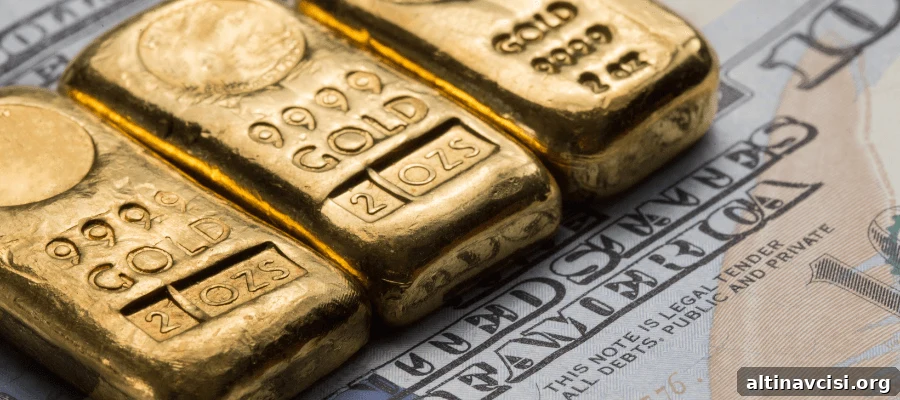
Gold prices saw notable volatility on Thursday, briefly falling to $3,120 per ounce before recovering by more than $100 later in the session.
The swing reflected two opposing forces: easing U.S. trade tensions reduced demand for safe-haven assets, while weaker-than-expected U.S. inflation data increased expectations for future interest-rate cuts, supporting bullion.
Thu Lan Nguyen, an analyst at Commerzbank, says that developments in trade policy are likely to have a greater long-term impact on gold than economic data. Nguyen suggests that should additional trade agreements be announced, the metal may face continued downward pressure.
Investors reacted quickly to the mixed signals. On one hand, diminished geopolitical risk often leads risk-sensitive capital back into equities and other higher-yielding assets, reducing immediate appetite for gold. On the other hand, softer inflation figures tend to bolster expectations that central banks will loosen monetary policy, which typically supports precious metals by lowering real yields.
Market participants are therefore watching both macroeconomic releases and diplomatic developments closely. Any fresh headlines about trade breakthroughs could weaken gold’s safe-haven appeal and push prices lower, while repeated signs of disinflation or renewed monetary easing expectations could revive demand and sustain rallies.
For traders and longer-term investors alike, this combination of factors underscores the importance of a diversified strategy and careful monitoring of incoming data and policy announcements. Gold’s recent intraday recovery demonstrates how quickly sentiment can change when geopolitical and economic indicators point in different directions.
Looking ahead, analysts expect that short-term moves will continue to be driven by the balance between risk sentiment tied to trade developments and evolving expectations for central-bank action. As a result, volatility may remain elevated until a clearer trend emerges from either sustained diplomatic progress or definitive signals from inflation and rate-setting bodies.