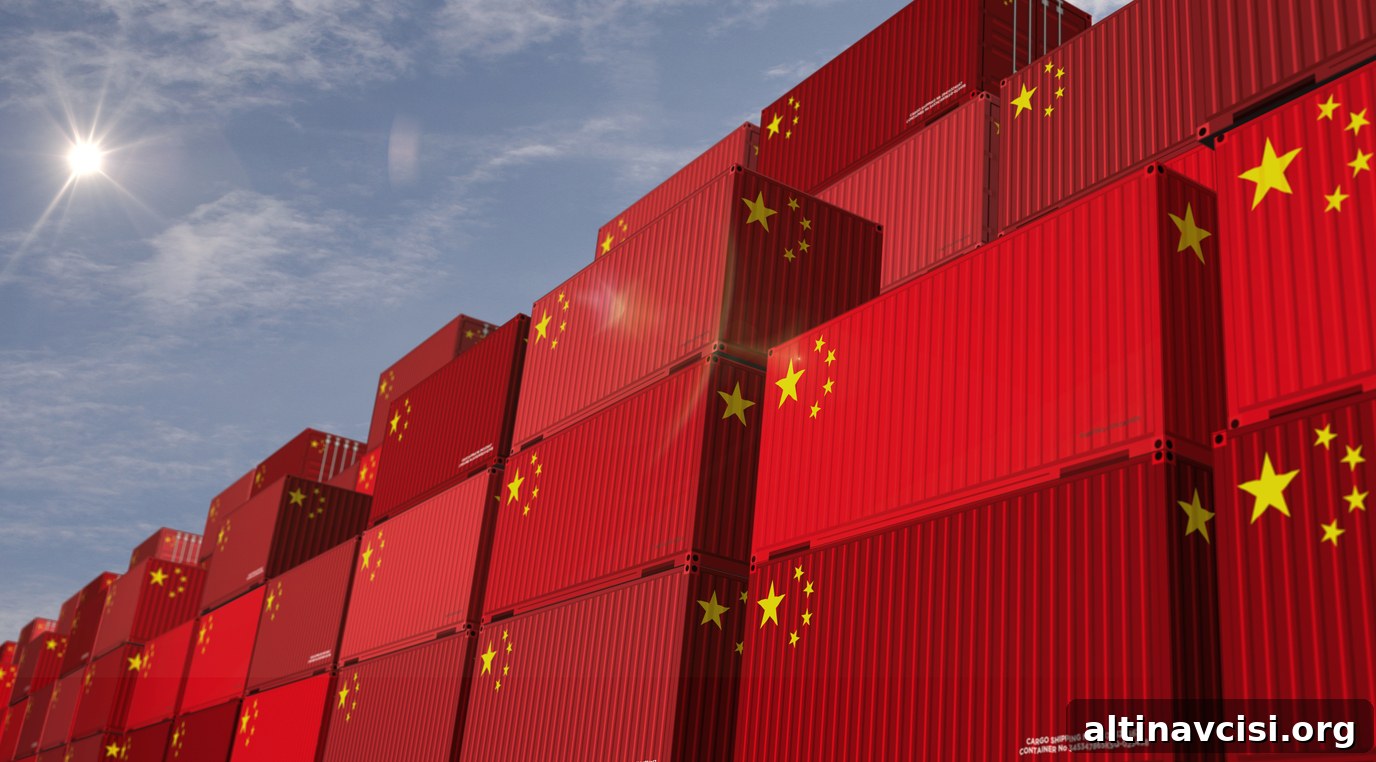
China’s labor market is under increasing pressure as renewed trade tensions with the United States compound existing domestic challenges such as a prolonged housing downturn, elevated youth unemployment, and slowing economic growth.
Analysts warn that if US tariffs remain in place or are increased, the country could face substantial job losses in manufacturing—potentially up to nine million positions—far exceeding the impact seen during the earlier trade confrontation under the previous US administration.
Those projections reflect the interconnected effects of tariffs and countermeasures. US duties can prompt multinational firms to scale back production and shift supply chains away from China, reducing demand for factory labor. In response, Chinese retaliatory measures or shifts in industrial policy can further reshape employment patterns at home, affecting not only export-oriented factories but also suppliers and service sectors that depend on manufacturing activity.
Domestically, the labor market is already strained. A weak property sector has slowed construction and related industries, while persistent youth unemployment reflects structural mismatches and an uneven recovery across regions and sectors. Slower overall economic growth limits the government’s ability to quickly generate alternative employment opportunities, making the labor market more vulnerable to external shocks such as heightened trade friction.
For the United States, elevated tariffs also carry risks. Higher import costs can translate into inflationary pressures for consumers and businesses, and restrictions on trade can create supply bottlenecks for products and components sourced from China. Those effects can feed back into global supply chains, prompting firms to diversify manufacturing locations or accelerate automation—moves that can reduce employment opportunities both in China and elsewhere.
Policy responses will shape the ultimate outcome. If tariffs persist, firms may accelerate relocation or restructuring plans, which would deepen job losses in Chinese manufacturing. Alternatively, a negotiated easing of trade measures could reduce immediate disruption, but longer-term shifts in supply chains already underway may still alter employment patterns. Domestic policy measures in China—such as targeted support for affected regions, retraining programs for displaced workers, and incentives to shift production into higher-value industries—could mitigate some employment losses, though such measures take time to implement and show results.
In short, renewed tariff disputes raise the stakes for China’s labor market at a moment when multiple domestic vulnerabilities already limit the economy’s resilience. The scale of potential job losses under sustained or intensified tariffs underscores the need for coordinated policy responses, careful management of industrial transitions, and efforts to support workers most affected by structural and external shocks.