
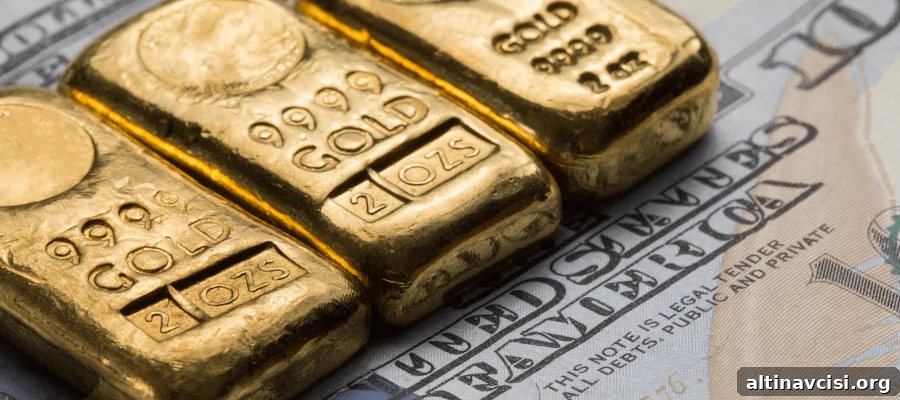
Gold surged to a fresh record high of $3,128.06 per ounce on Monday as investors continued to flock to safe-haven assets amid mounting inflation worries tied to upcoming U.S. tariff measures. That rise places the yellow metal on pace for its strongest quarter since 1986, and pushes year-to-date gains to roughly 18%.
The recent rally builds on an already strong performance in 2023, when gold climbed about 27%. That advance was supported by accommodative monetary policies from major central banks, substantial central bank purchases, and rising investment in gold-backed exchange-traded funds (ETFs). While some technical indicators suggest the market is overbought, the upward momentum has shown resilience.
Market participants and analysts attribute much of the current demand to heightened geopolitical and trade uncertainty. In particular, investor concern over the prospect of new U.S. tariffs has added to safe-haven buying. Reciprocal tariffs are scheduled to take effect on April 2, with additional auto-related tariffs set for April 3, prompting caution across equity and risk-sensitive markets. Separate threats of further tariffs tied to foreign policy actions have also contributed to the risk premium being priced into commodities and bullion.
Alongside policy-driven uncertainty, forecasts from strategists are reinforcing bullish sentiment. For example, WisdomTree strategist Nitesh Shah has suggested gold could climb toward $3,500 in the coming year if current trends persist. That outlook reflects expectations for continued central bank support, strong ETF flows, and persistent inflationary pressures that tend to boost demand for inflation-hedge assets like gold.
At the same time, physical demand patterns vary by region. High prices have started to temper retail and jewelry buying in some traditional markets—India, a major consumer of gold, has seen a slowdown as elevated prices reshape purchasing behavior. Nevertheless, investment demand and official sector purchases have so far outweighed the reduction in physical consumption, helping sustain the price rally.
Inflation concerns remain central to the narrative supporting gold. As consumers and businesses face higher prices for goods and services, and as policymakers weigh responses that could affect real interest rates, gold often benefits from expectations of prolonged inflation or monetary easing. Lower real yields historically make non-yielding assets like gold more attractive, and recent market dynamics have reflected that relationship.
Technical traders also note the strength of the breakout to new highs. Momentum indicators and volume trends have supported the move, although elevated readings have prompted some caution among short-term traders who monitor overbought signals. Longer-term investors, however, appear more focused on macro drivers and the metal’s role as a portfolio diversifier during periods of heightened uncertainty.
In the weeks ahead, key variables to watch include developments around tariff implementation and any follow-up trade measures, central bank policy signals, and inflation data releases. Each of these factors could influence investor appetite for gold, either reinforcing the current uptrend or prompting profit-taking if risk conditions ease.
Overall, the combination of geopolitical uncertainty, trade policy risk, robust central bank activity, and ongoing inflows into ETFs has created a supportive backdrop for gold. While elevated price levels have begun to cool some segments of physical demand, the metal’s safe-haven and inflation-hedge characteristics continue to attract buyers, keeping gold’s trajectory firmly in the spotlight.