Xi Arrives in Washington as Gold and Silver Tumble
Last verified: September 23, 2026.
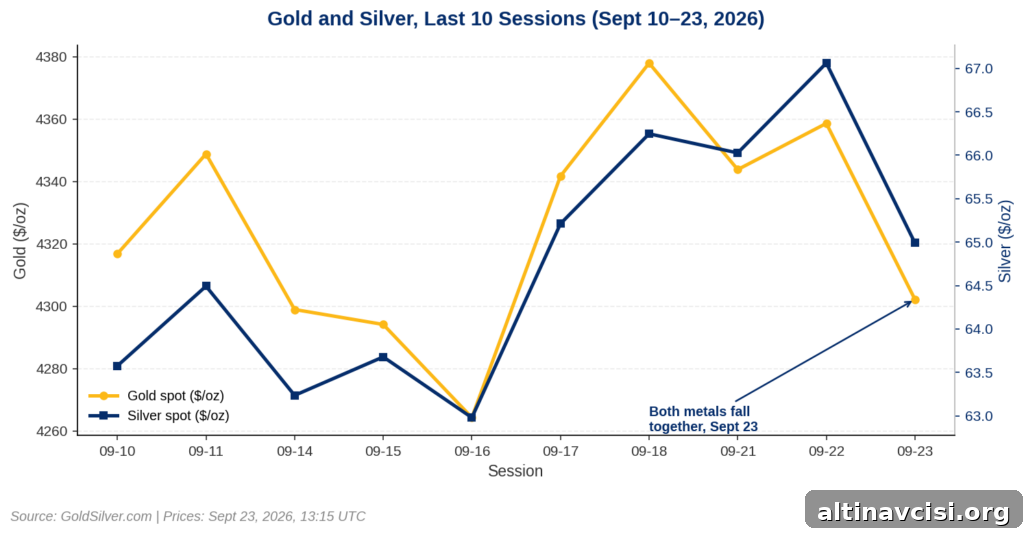
Two days ago, silver was the metal holding its ground while gold eased. Silver sat near a two‑week high and the gold‑silver ratio compressed. On Wednesday, as Chinese President Xi Jinping arrived in Washington for a state visit, that pattern didn’t merely fade — it reversed. Silver moved first and slipped more sharply than gold.
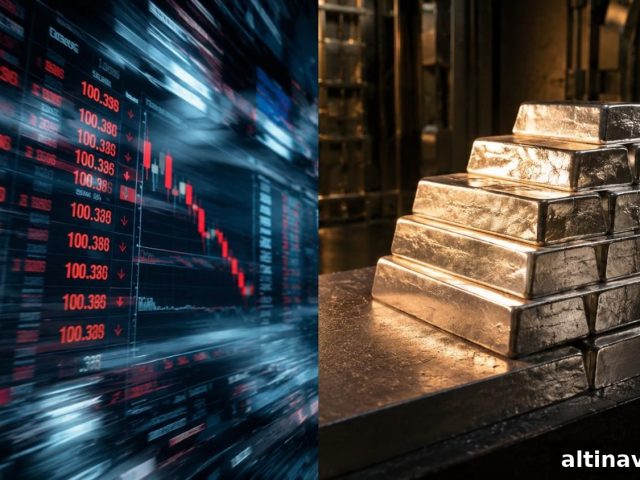
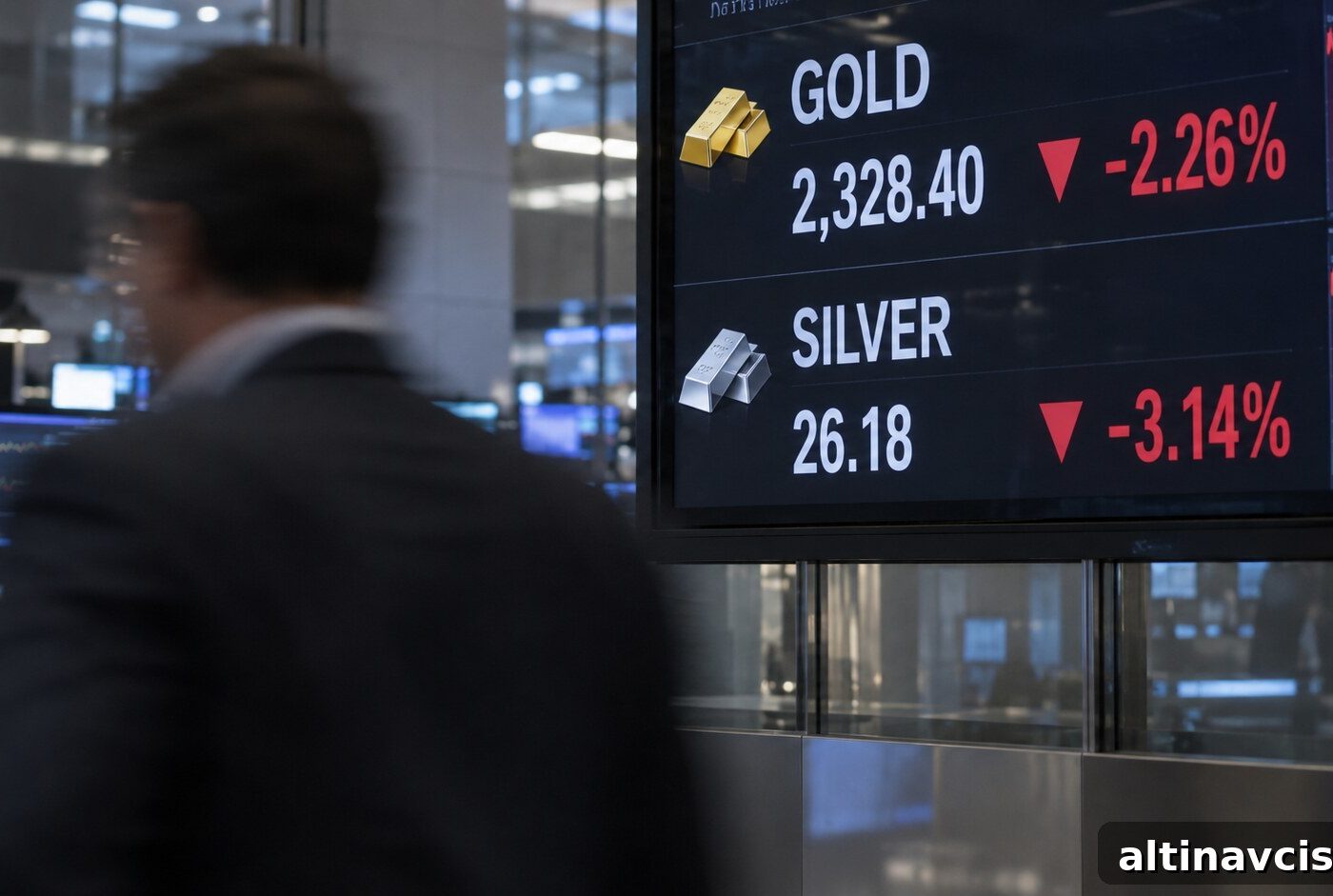
As of this morning, gold trades around $4,302.15, down roughly 1.3% from the opening level of $4,357.85. Silver has fallen more steeply, near $64.99, a decline of about 3.1%, more than double gold’s percentage drop. The gold‑silver ratio, which tightened to about 65.0 on Tuesday, widened back to approximately 66.2 as markets digested developments tied to the summit and central bank messaging.
Key takeaways:
- Gold is down near 1.3% today; silver is down near 3.1%, a much larger intraday move.
- Xi Jinping arrived in Washington Wednesday for the first Chinese state visit to the United States since 2015; formal talks and a state dinner are scheduled for Thursday.
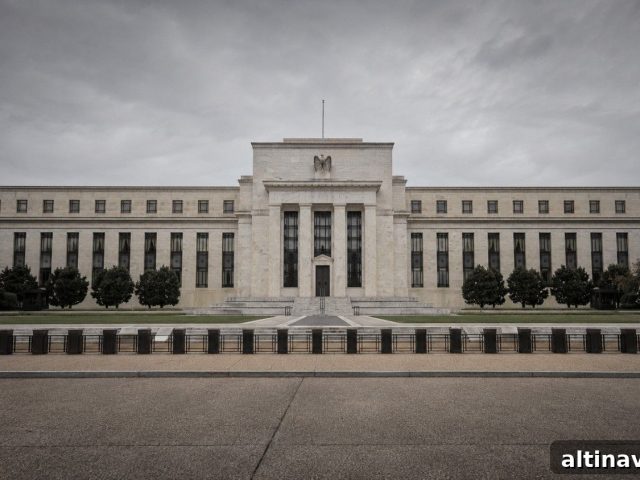
- Federal Reserve officials signaled continued hawkish bias, reinforcing expectations for further tightening following last week’s rate move.
- The market split seen earlier in the week — silver holding while gold dipped — has reversed as summit risks and policy commentary reasserted themselves.
Why Is the Split From Monday Reversing?
Earlier in the week, news of diplomacy with Iran eased the war premium and weighed on gold, while silver stayed supported by a hawkish Fed outlook and stronger real yields. Those two forces — a falling geopolitical risk premium and rising real rates — briefly pushed the metals in different directions.
By Wednesday, the diplomacy headlines had lost momentum for markets, and the summit itself moved from anticipation to reality: Xi is in Washington. The focus shifts to talks about tariffs, rare‑earth export controls and arms sales to Taiwan, all items on the week’s agenda. Two policy measures — the tariff truce and the rare‑earth suspension — are set to expire on November 10 unless extended in these talks. That uncertainty directly affects sectors that drive a large portion of silver demand.
About half of silver’s annual demand comes from industrial uses: photovoltaics, electronics and high‑precision wiring in advanced hardware. Any summit outcomes that change trade barriers, export controls or supply chains could influence manufacturers’ cost outlooks and near‑term demand for silver. Gold, by contrast, functions predominantly as a monetary hedge and does not depend on the resolution of a single commercial negotiation. When diplomatic or trade negotiations affect industrial inputs, silver tends to respond more strongly than gold.
What Is the Fed Signaling Ahead of the Summit?
Domestic monetary policy commentary added to the backdrop. Two Fed regional presidents reiterated a hawkish stance on Tuesday, reinforcing expectations that policy will remain focused on price stability until inflation is well and sustainably controlled. Boston Fed President Susan Collins said she sees an increased likelihood that inflation could remain above 2% in some future scenarios, and Richmond Fed President Tom Barkin judged that inflation risk now outweighs employment risk.
The Fed’s Summary of Economic Projections released on September 16 showed most officials expect at least one more quarter‑point hike before year‑end, on top of the move that put policy in a 3.75%–4.00% range earlier in the week. Those signals support higher real yields, which typically pressure precious metals. Against that backdrop, any softer US manufacturing or services prints would normally relieve some hawkish pricing, but Wednesday’s preliminary PMI releases did not stop silver’s slide. That again points to summit‑related industrial demand uncertainty as the dominant influence today, rather than a single domestic data point.
The Structural Case Underneath Both Numbers
None of the short‑term moves alter the multi‑year structural picture for either metal. Central banks have been significant gold buyers in recent years, adding substantial tonnage to reserves. The share of global reserves held in dollars has fallen from about 72% in 2000 to the high 50s today, a long‑running diversification trend that supports the strategic case for gold as a reserve asset.
At the same time, the structural stories for gold and silver differ. Gold is widely held as a monetary hedge and store of value; its price reflects reserve diversification, safe‑haven flows and inflation expectations. Silver combines monetary attributes with a large industrial component. When trade negotiations, export restrictions or supply‑chain rules that affect manufacturing are on the table, silver’s price can show greater volatility. The ratio between the two metals often widens or tightens when these distinct drivers diverge, which is what markets are currently pricing.
What Should Investors Watch Next?
Investors should follow the summit closely. Thursday’s formal talks and the state dinner will spotlight trade, AI export rules and technology controls alongside tariffs and Taiwan. Several major technology company executives are expected to attend events in Washington, which signals the conversations may reach deeply into AI and semiconductor supply chains — areas that matter for silver’s industrial demand.
Watch the key price levels: gold near $4,300 is a short‑term test for buyers and sellers, while silver around $65 represents the next nearby support below current levels. Also monitor any official statements or joint communiqués that clarify whether the tariff truce and rare‑earth suspension will be extended past November 10. Those outcomes could have a material effect on industrial metals pricing and, by extension, silver’s near‑term outlook.
In summary, Wednesday’s move reflects a re‑balancing of risks: trade and summit uncertainty pushed industrial‑sensitive silver lower, while hawkish Fed commentary and reserve flows continue to influence gold. These forces can coexist, producing larger swings in silver relative to gold without contradicting either metal’s longer‑term case.
SOURCES
1. Reuters – Fed’s Collins Says She Supported Rate Hike, Warns of Elevated Inflation Risks.
2. Reuters – Fed’s Barkin Says US Economy Firming, Inflation Not Limited to Energy, Tariff Shocks.
3. South China Morning Post – Chinese President Xi Jinping Will Pay State Visit to US This Week.
4. The National – Trump Set for Washington Summit With Xi Focused on Trade, Taiwan and AI.
5. FXStreet – Gold Price Forecast Ahead of Trump‑Xi Meet.
6. Federal Reserve – Summary of Economic Projections, September 16, 2026.
7. GoldSilver – Live Gold and Silver Price Charts.
Disclaimer: This article is informational only and does not constitute investment advice. Past performance is not indicative of future results. Consult a qualified financial advisor before making investment decisions.
You May Also Like:
- UBS Holds Its Silver Target. The Market Already Got There First.
- China Imported 1,000+ Tonnes of Gold in Eight Months. Its Central Bank Bought Only 80.
- Fed Officials Turn Hawkish. Gold’s Iran‑Diplomacy Bounce Can’t Hold.
- Bernstein Just Cut Its Gold Forecast — By Breaking Gold’s Oldest Rule to Defend It.
- The Fed Just Hiked. Wall Street Keeps Getting More Bullish on Gold Anyway.
- Gold Dips, Silver Holds as Iran Diplomacy Hopes Sink Oil Before a Bigger Week.
- Silver Round‑Tripped a 6.8% Shock in Nine Days. Real Yields Did It, Not Inflation.
- Iran Hit a Tanker in Hormuz and Trump Threatened Iran. Oil Isn’t Reacting.
Popular Topics
Picked from the archive
-
01
 Topics
Warsh Skips Fed Dot Plot, FOMC Minutes Release Wednesday
-
02
Topics
Gold Coins vs Gold Bars: Compare Value, Liquidity and Costs
-
03
Topics
Why Gold Prices Held Steady After Iran Peace News
-
04
Topics
Iran’s War Deadline Sparks Gold and Silver Price Volatility
-
05
Topics
Oil Up 7% Yesterday, Silver Down: Physical Buyers Pivot
-
06
Topics
War Sends Gold Prices to Worst Quarter Since 2013
-
07
Topics
Should You Buy Gold Now During a Dip? Timing and Risks
-
08
Topics
August 2026 Gold Outlook: How Three Data Prints Move Prices