Gold Down 1.7%, Silver 3.6%: 5 Signals Point to the Dollar
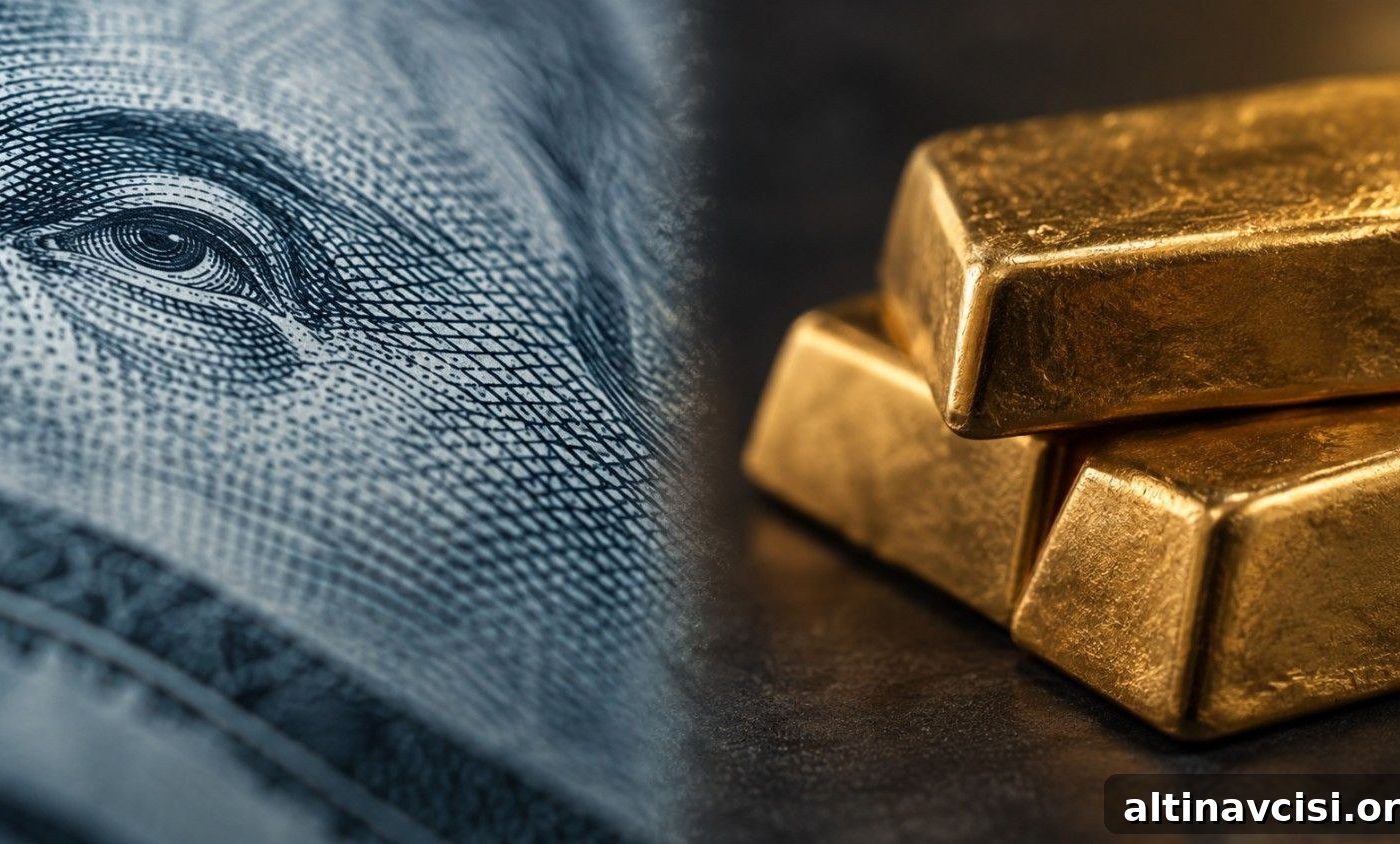
Gold traded near $4,283 per ounce on Wednesday, September 23, 2026, slipping about 1.7% on the day. Silver fell more sharply, down roughly 3.6% to about $64.64. Despite the price moves, demand indicators have not weakened this month. The US Dollar Index sits just under 101 — its strongest level since July 30 — and the Federal Reserve continues to signal the possibility of additional rate hikes. Both a firmer dollar and higher expected interest rates raise the opportunity cost of holding non‑yielding precious metals. At the same time, investor demand has remained resilient. Below are five clear signals that separate what’s driving today’s prices from what’s shaping long‑term ownership; at the moment they point in opposite directions.
What Is Actually Pushing Gold and Silver Lower Today?
The main driver is a stronger US dollar. The Dollar Index is trading just below 101, its highest level since late July. Because bullion is priced in dollars, a firmer currency makes gold and silver more expensive for buyers using other currencies, which tends to shave demand at the margin and push prices modestly lower.
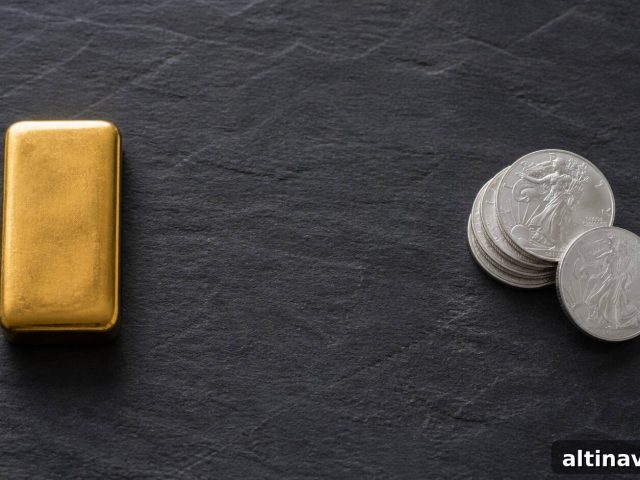
Silver’s drop has been steeper than gold’s. With silver down about 3.6% versus gold’s 1.7%, the gold‑to‑silver ratio widened to roughly 66.3 from about 65.0. Silver carries a larger industrial component in its demand profile, so it typically reacts more quickly to shifts in the macroeconomic backdrop — especially changes in growth expectations, energy costs and the dollar.
The Edge Every Investor Needs
Smarter precious metals investing starts here. Subscribe to concise market insights, Fed updates, trend analysis and educational content.
To receive timely updates and market commentary, sign up on the publisher’s site. (Form removed from this version for clarity and privacy.)
Stay On Top of Gold & Silver Prices
Get important market alerts sent straight to your inbox.
Live price widgets and subscription forms have been removed from this cleaned version. Visit the publisher for real‑time charts and alerts.
Why Is the Federal Reserve Still Signaling More Rate Hikes?
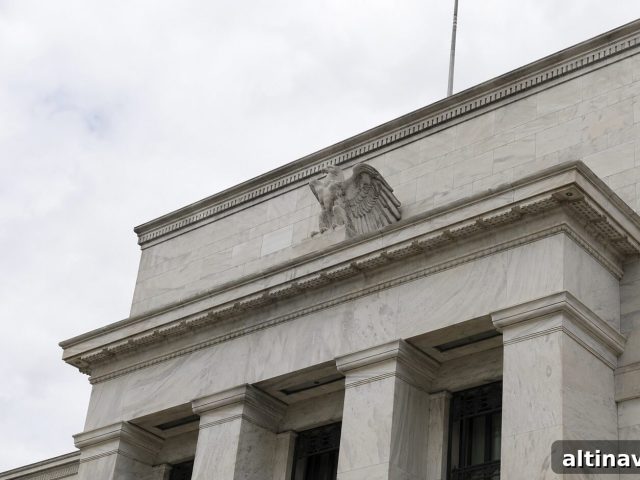
Policymakers continue to signal the possibility of additional rate increases because inflation is not yet viewed as firmly under control. On September 16, 2026, the Federal Open Market Committee raised its target range by 25 basis points to 3.75%–4.00%, the first increase since July 2023. More important than the single hike were the committee projections released alongside it: the majority of participants expect at least one more increase this year, and several policymakers have publicly supported additional tightening.
Higher expected short‑term rates raise the risk‑free return available to investors and therefore increase the opportunity cost of holding gold and silver, which do not pay interest. That dynamic tends to weigh on precious metal prices when rate expectations rise.
Is the Inflation Shock Behind Those Hikes Already Fading?
There are signs that some inflation pressures, particularly from energy, are easing. West Texas Intermediate crude oil fell from about $105.83 on September 15 to roughly $90.52 on September 22, 2026 — a notable decline over a short period. Several developments helped push oil lower: the restart of a major pipeline, diplomatic engagement between US and Iranian officials, and signals that maritime tensions in the Strait of Hormuz could ease if diplomatic conditions are met. Because energy costs have been a major driver of inflation this year, sustained downward pressure on oil would weaken the case for additional Fed tightening.
Why Are Investors Buying Gold ETFs While Real Yields Hit 20‑Year Highs?
Even as inflation‑adjusted yields climbed to multiyear highs in mid‑September, investors increased allocations to gold, particularly through ETFs. One interpretation is that some market participants now view elevated long‑term yields as a fiscal or growth risk signal rather than an attractive substitute to gold. In that context, gold serves as a hedge against policy mistakes, fiscal stress or rising geopolitical risk, not simply as a vehicle competing with real yields.
ETF holdings reached seven‑month highs and global gold‑backed ETF holdings rose meaningfully during August. This divergence — rising holdings despite rising real yields — highlights how investor motivations can differ from textbook expectations about opportunity cost.
What Could Move the Dollar Before This Week Ends?
Two events stood out as likely drivers of dollar moves: US flash PMI surveys for September and a high‑profile meeting between the US and Chinese presidents. Flash PMIs measure business activity and can influence expectations about growth and the Fed’s path. Strong readings would support further tightening and a stronger dollar; weak readings could ease rate expectations and allow the dollar to pull back. Political events and diplomatic meetings can also affect risk sentiment and currency flows. Traders tended to run lighter positions ahead of these reports, which helps explain why metals drifted rather than attracting large dip buyers.
SOURCES
1. Federal Reserve — FOMC Statement, September 16, 2026
2. Federal Reserve — Summary of Economic Projections, September 16, 2026
3. FRED, Federal Reserve Bank of St. Louis — 10‑Year Treasury Inflation‑Indexed Security Yield (DFII10)
4. FRED, Federal Reserve Bank of St. Louis — 10‑Year Treasury Constant Maturity Rate (DGS10)
5. Saxo Bank — Commodity strategy commentary, September 2026
6. World Gold Council — Global gold‑backed ETF holdings and flows data
7. S&P Global — Flash US composite PMI release calendar
8. Market commentary on dollar and precious metals movements, September 2026
Disclaimer: This article is informational only and does not constitute investment advice. Past performance does not guarantee future results. Consult a qualified financial advisor before making investment decisions.
You May Also Like:
- Xi lands in Washington. Gold and silver both retreat, and silver falls harder.
- UBS maintains its silver target as the market moves ahead.
- China imported over 1,000 tonnes of gold in eight months; central bank buying remained modest.
- Fed officials turn more hawkish, capping gold’s diplomatic bounce.
- Analysts revise gold forecasts as real rates evolve.
- Wall Street remains constructive on gold even after Fed hikes.
- Gold dips while silver steadies as oil prices respond to diplomacy.
- Silver’s short‑term volatility reflected real yields more than inflation.
Popular Topics
Picked from the archive
-
01
 Topics
Will Policy Reversal Move Gold? Conflict Pressure Index Insight
-
02
Topics
Silver Drops 6% After Jobs Beat; Six-Year Deficit Remains
-
03
Topics
3 Fed Officials Voted to Hike Rates: What It Means for Gold
-
04
Topics
Gold vs Silver: Why Gold Stabilizes Markets, Silver Amplifies
-
05
Topics
How Silver Powers AI Models and Infrastructure
-
06
Topics
Gold vs Savings Account: Which Investment Beats Inflation Now?
-
07
Topics
Federal Reserve Votes Wednesday: Track the Vote Tally
-
08
Topics
Peak Gold: Why Gold Mine Output Can’t Meet Demand