
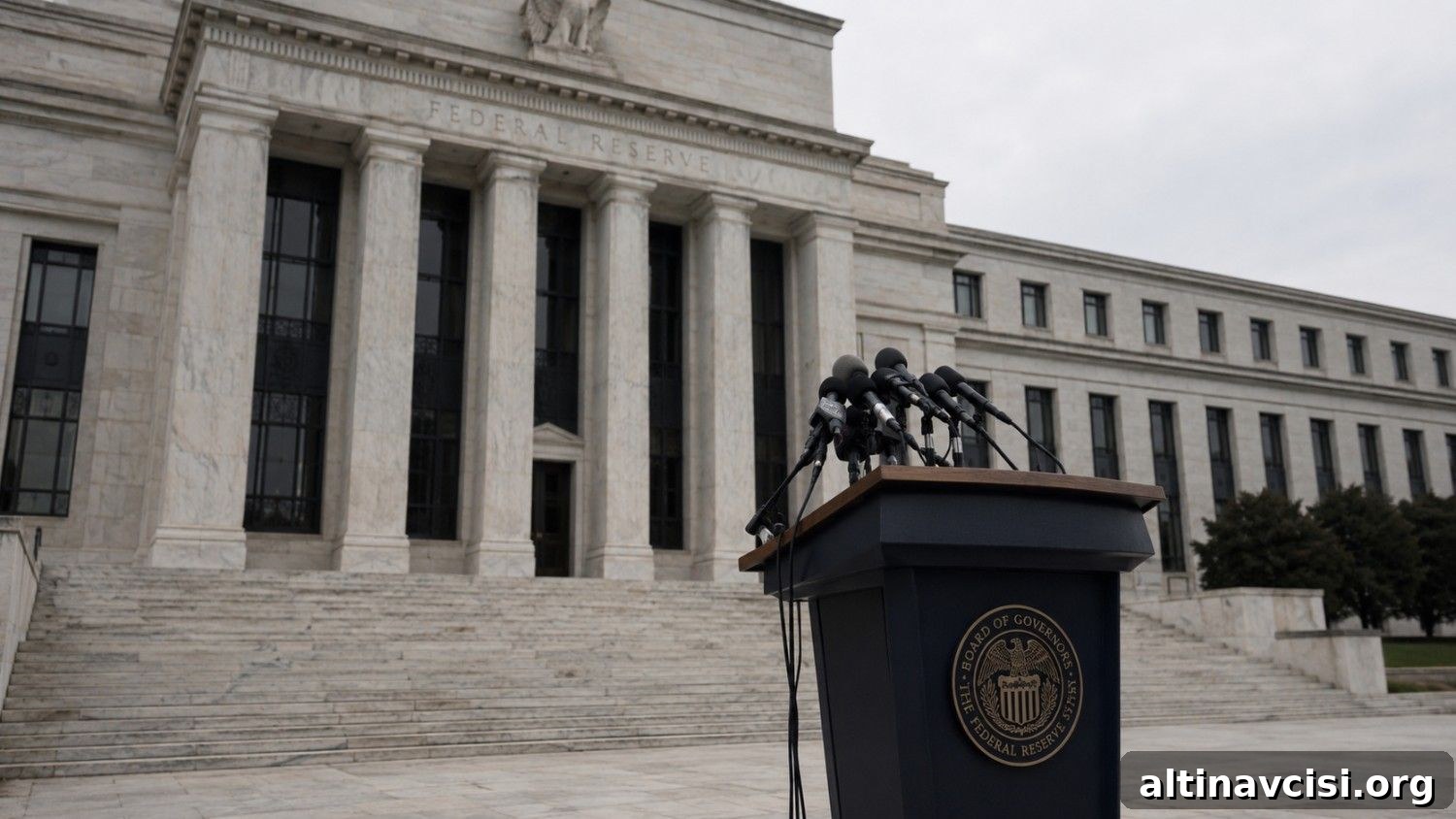
At his first Federal Open Market Committee meeting on June 17, 2026, Federal Reserve Chair Kevin Warsh ended the central bank’s long-standing forward guidance practice and declined to publish the familiar dot-plot projections. Markets had not seen a move like this since the crisis era of 2008. The immediate market response was sharp: paper gold dropped roughly 2% when the announcement landed and then recovered most of that move in the following sessions. For holders of physical gold, the fundamental case remains intact.
Gold trades at $4,259.63 this morning, up 0.03%.
What Did the Fed Change?
Forward guidance is the Fed’s method of signaling the likely direction of interest rates. The practice began after the 2008 financial crisis, when policymakers cut the federal funds rate to near zero and started explicitly guiding markets about future policy. The dot plot — the chart showing each policymaker’s rate projection — was added in 2012 and provided an additional, visible roadmap. For more than a decade those tools gave markets a clearer sense of how the Fed expected policy to evolve.
Chair Warsh removed that framework. The post-meeting statement on June 17 was markedly shorter than prior releases, replacing forward-looking language with a concise summary of current conditions and an explicit commitment to price stability. In his press remarks Warsh explained that forward guidance is no longer an appropriate role for the Fed and announced a review of the dot plot’s usefulness, while declining to release his own projection.
Markets moved quickly. Two-year Treasury yields jumped about 16 basis points, the dollar strengthened roughly 1% in its best single-day performance in nearly a year, and paper gold experienced an intraday selloff before rebounding. The decision changed how the Fed communicates but did not by itself alter the macroeconomic forces driving demand for gold.
Gold Spot Price — 30 Days to June 18, 2026
Spot USD/oz — short-term paper-market reaction vs. gold’s structural support
Note: interactive charts and live widgets have been removed from this version to focus on the editorial analysis.
What Does This Mean for Physical Gold?
Paper gold and physical gold respond to different forces. Paper gold—futures and exchange-traded products—reflects traders’ expectations about real yields, which are nominal Treasury yields adjusted for inflation. While forward guidance and the dot plot used to help anchor those expectations ahead of policy moves, their removal makes near-term yield forecasts less certain and can increase volatility in paper markets around Fed meetings.
Physical gold behaves differently. Bullion held in private vaults or owned outright carries no counterparty risk and cannot be margin-called. A physical ounce today is the same tangible asset it was yesterday; the Fed’s communication change does not alter that fact.
The long-term case for holding physical gold rests on persistent structural factors. Three stand out:
- Rising interest expenses on the national debt: annual interest costs have grown substantially and now add materially to fiscal strain.
- Central bank accumulation: official sector purchases have continued, with central banks adding significant net tonnes to reserves in recent quarters.
- Elevated inflation: underlying inflation has run above the Fed’s 2% objective for an extended period, affecting purchasing power and policy responses.
None of these drivers depended on Fed forward guidance to develop, and none were reversed by its removal.
The Edge Every Investor Needs
Smarter precious metals investing starts with timely insights. Subscribe to concise market notes, Fed updates, and practical analysis delivered by email.
What Did the June Dot Plot Actually Project?
Although Warsh omitted the dot plot at the meeting, the Federal Reserve’s June projections signaled a hawkish tilt. A number of voting members expected at least one rate increase this year, and the median year-end rate projection rose from March’s figure to 3.8%. The Fed also revised up its inflation outlook for 2026 compared with a quarter earlier. Chair Warsh cautioned that these projections are tentative—“written in pencil”—and officials can and do change views as new data arrive.
The next meaningful test for those projections is the June consumer price index reading, which will show whether inflationary pressures are cooling or persisting. Market participants will watch that report closely to see if the more hawkish outlook holds.
On gold, current prices sit notably below the January all-time high. Major bank forecasts still target much higher year-end levels, with institutions offering a range of price expectations based on gold’s structural dynamics rather than on whether the Fed publishes a formal rate path.
Does Any of This Change the Case for Gold?
Short answer: no. The Fed changed its communication approach, but not the underlying economic math that supports gold. Whether the central bank publishes projections or not, persistent inflation above target, rising interest burdens on sovereign debt, and continued official-sector buying are forces that support demand for a non-sovereign store of value.
Expect more volatility in paper markets as traders adjust to fewer official signposts. For long-term physical holders, the removal of forward guidance is a change in noise, not a change in fundamentals.
Sources
Federal Reserve — FOMC statement and Summary of Economic Projections (June 17, 2026); Bureau of Labor Statistics — Consumer Price Index; World Gold Council — Gold demand trends; Committee for a Responsible Federal Budget — analysis of interest costs; major bank research reports and market data providers.
Disclaimer: This article is for informational purposes only and does not constitute financial or investment advice. Consult a qualified financial adviser before making investment decisions.
You May Also Like:
- Five Signals That Say Gold’s Correction Is a Reset, Not a Reversal
- The Fed Just Killed Its Rate Roadmap. Here’s What That Means for Gold.
- Gold Holds at $4,347 While Stocks Hit All-Time Highs. Here’s Why.
- Why Is Silver Up Today? The Iran Deal Changed the Fed Math
- Gold Up 3%, Silver Up 4.7%: Five Forces Driving Metals Higher Today
- Iran Peace Deal Sends Oil Down 5%, Gold Up 3%
- Gold & Silver Surge on Iran Peace Deal — Then Pull Back
- Silver Fell 22% in 30 Days. Gold-Silver Ratio Hits 63.
- Every Bearish Catalyst Landed at Once. Gold and Silver Went Up Anyway.
- Gold at Seven-Month Lows: Why Geopolitical Fear Is Not Enough