Why Central Banks Nearly Doubled Their Gold Reserves

Three years ago, gold accounted for roughly one dollar in seven of the world’s central bank reserves. Today that figure is closer to one in four. On Monday, the head of the world’s second-largest official gold holder explained why central banks are shifting their reserve mix.
Gold was trading near $4,142 an ounce Monday afternoon, while silver was up about 1.3% near $61.24. Those price moves mattered, but the larger story unfolded in Sorrento, Italy, where central bankers met at the LBMA Global Precious Metals Conference to discuss why physical gold is regaining favor on official balance sheets.
Key Takeaways:
- Bundesbank President Joachim Nagel said gold’s share of global central-bank reserves has risen from about 14% in 2023 to nearly 25% today.
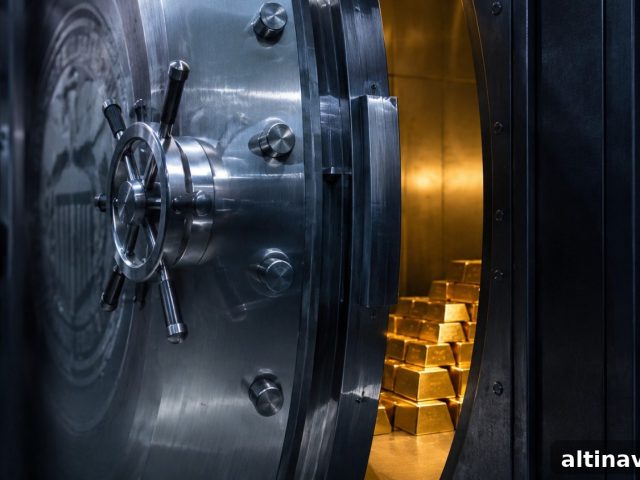
- Nagel emphasized that foreign bonds and deposits carry issuer and counterparty risk, while physical gold kept domestically does not — it cannot be frozen by another government.
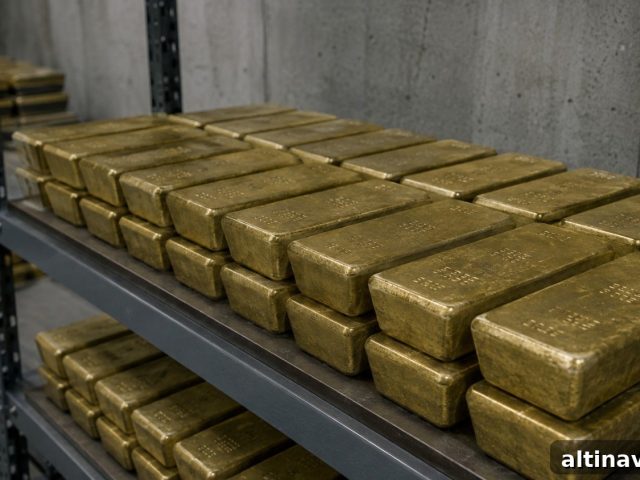
- The Bundesbank holds more than 3,500 tonnes of gold, making it the world’s second-largest official holder after the United States; rising sovereign debt concerns are strengthening the case for gold.
Speaking in Sorrento, Nagel gave an unusually direct explanation of why central banks are increasing their exposure to gold. He framed the shift as part price effect and part deliberate policy change: higher gold prices naturally raise gold’s share of reserves, but central banks are also intentionally buying or repatriating metal because they now see reserve safety differently. As the head of one of the most conservative central banks, his words carry significant weight for reserve managers worldwide.
Why Do Central Banks Trust Gold Over Foreign Bonds?
In plain terms: a foreign bond or deposit is a promise by another party. If that issuer faces sanctions, insolvency, or political decisions, access to those assets can be restricted. Physical gold stored at home carries no issuer, no counterparty, and therefore far less risk of being frozen or seized. Nagel pointed directly to the 2022 freeze of roughly $300 billion in Russian reserves as a wake-up call for reserve managers. That event illustrated the tangible risk of holding too many reserves in instruments someone else controls.
That concern helps explain two related trends: strong official purchases of gold and the repatriation of existing gold holdings from foreign vaults back to home storage. Official buying topped 1,000 tonnes in each of 2022, 2023, and 2024, and while it eased to 863 tonnes in 2025, that pace remains far above the level seen a decade ago. Surveys of reserve managers also indicate continued demand: a large majority expect official gold holdings to keep rising, and a record share plan to increase their own holdings.
Is Gold’s Bigger Reserve Share Really New Buying?
Nagel cautioned that part of gold’s increased share comes simply from price appreciation. When an asset you already own doubles in value, its weight inside a reserve portfolio naturally grows. Yet price gains alone do not tell the whole story: central banks are deliberately shifting their reserve composition toward gold for safety reasons. That active choice — buying new tonnes and bringing bullion home — is not fully visible if you only look at headline percentages driven by market moves.
What Else Did Nagel Say About Government Debt and Gold?
Nagel noted that higher bond yields can make government debt appear more attractive on paper, but rising government debt loads also raise worries about solvency and fiscal sustainability. For reserve managers, the question of whether sovereign liabilities will ultimately be honored adds another argument for holding assets that can’t default or be forcibly restricted. He suggested that fiscal strain could itself be a driver of higher gold prices, and for a central bank holding more than 3,500 tonnes, that is a significant consideration when deciding not to sell.
What Does This Mean for Individual Gold and Silver Investors?
Nagel’s reasoning applies at any scale. An individual who owns physical gold outside the banking system benefits from the same lack of counterparty risk: the metal cannot be frozen by a foreign government, cannot default, and cannot be diluted by promises. That logic underpins why some savers hold physical bullion alongside other portfolio assets. While central banks apply this approach to a nation’s reserves, households can apply the same principle to diversify and protect savings in retirement accounts or personal portfolios.
What Should Investors Watch Next?
Watch upcoming reserve data from the International Monetary Fund, which will show whether the dollar’s share of official reserves continues to decline. Also follow central bank policy meetings — Nagel’s comments on sticky inflation echo debates in other major central banks about how aggressively to change interest rates. Finally, track official buying reports from major buyers such as China, Poland, and India. If those countries accelerate purchases alongside Germany, it would confirm that deliberate accumulation — not only higher prices — is driving gold’s growing share.

People Also Asked
At the LBMA Global Precious Metals Conference, Nagel said gold’s share of world central-bank reserves rose from roughly 14% in 2023 to nearly 25% today. He argued that both price appreciation and a deliberate shift in reserve policy are behind the change, and he described the case for holding more gold as “significant.”
Physical gold has no issuer and no counterparty, so it cannot be frozen by foreign governments or subject to the same political or credit risks as bonds and bank deposits held abroad. The 2022 freezing of a large portion of Russian reserves highlighted that vulnerability and prompted many reserve managers to re-evaluate their holdings.
Nagel said the Bundesbank holds more than 3,500 tonnes of gold, making it the world’s second-largest official holder after the United States. The Bundesbank’s position explains why its policy stance on gold attracts attention.
Both factors matter. Price appreciation increases gold’s share automatically, but survey and purchase data show that central banks are also actively buying and repatriating gold. Official purchases and plans to add more metal indicate deliberate accumulation alongside market-driven effects.
An individual holding physical gold outside the banking system avoids counterparty risk in the same way a sovereign does: the asset does not rely on a promise from another party. For savers seeking a reserve-like, non-sovereign form of protection, physical bullion can serve as a complement to more typical financial assets.
Nagel argued that rising government debt could strengthen the case for gold because greater fiscal strain raises doubts about debt repayment and increases perceived sovereign risk. That shift in sentiment, independent of other factors, could support higher gold prices.
SOURCES
1. Deutsche Bundesbank — Remarks by President Joachim Nagel, LBMA Global Precious Metals Conference, Sorrento, Italy (October 5, 2026).
2. LBMA — Global Precious Metals Conference 2026, Sorrento, Italy.
3. World Gold Council — Central bank purchases and survey data on gold demand (2022–2025).
4. IMF and ECB reserve composition and official reserve data releases referenced for broader reserve-share trends.
Disclaimer: This article is for informational purposes only and does not constitute investment advice. Past performance is not indicative of future results. Consult a qualified financial advisor before making investment decisions.
You May Also Like:
- Treasury Yields Are Tightening: What It Means for Gold
- Who’s Actually Right About Gold Right Now? Five Signals, Five Answers
- Gold and Silver Are Rising Today. So Is the Dollar. That’s Rare.
- When Should a Central Bank Sell Its Gold? One Just Did. Most Won’t.
- September Payrolls Just Missed by 70,000. Gold and Silver Didn’t Wait to React.
Popular Topics
Picked from the archive
-
01
 Topics
BLS Revises April Jobs: +64,000 Then -31,000; Gold Reacts
-
02
Topics
Gold-Silver Ratio Hits 61.1: Silver Poised to Rally
-
03
Topics
U.S. Sanctions Target Iran’s Gold Sector, Prices Slide
-
04
Topics
Hong Kong Completes First Gold Settlement; Banks Also Run London
-
05
Topics
Why Gold and Silver Climbed Despite Multiple Bearish Catalysts
-
06
Topics
Gold Market Split: Short-Term Sellers vs Long-Term Buyers
-
07
Topics
3 Fed Officials Voted to Hike Rates: What It Means for Gold
-
08
Topics
Why Gold Is Still a Safe Haven, Says Switzerland’s Top Refiner