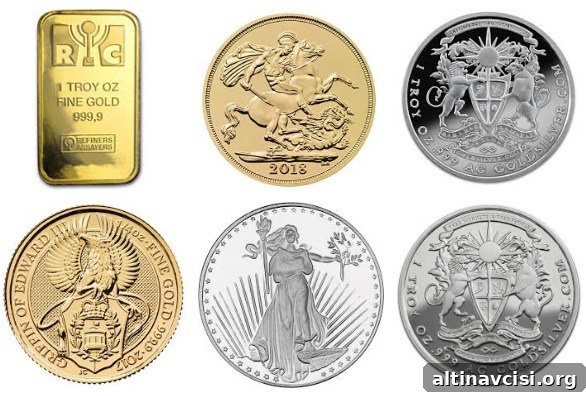
The metric system, officially known as the International System of Units (SI), is widely used around the world. Yet the troy ounce—the standard unit for weighing precious metals such as gold and silver—belongs to a different, older system and is neither part of the metric system nor the common avoirdupois system used for everyday weights in the United States.
What exactly is a troy ounce, and how does it differ from the regular ounce commonly used in America?
The Troy Ounce vs. the Avoirdupois Ounce
The troy ounce is the internationally recognized unit for measuring precious metals and gemstones.
A troy ounce equals 31.103 grams, which makes it heavier than the avoirdupois (or “regular”) ounce, which equals 28.349 grams. Because the troy ounce contains more mass, a given quantity of metal measured in troy ounces represents more metal than the same numerical amount measured in avoirdupois ounces.
Troy Ounce > Avoirdupois Ounce
A troy ounce is roughly 10% heavier than a standard avoirdupois ounce. To convert avoirdupois ounces to troy ounces, you can divide by approximately 0.911, since one troy ounce is about 1.0971 avoirdupois ounces.
Troy Pound < Avoirdupois Pound
The troy pound differs from the avoirdupois pound as well. A troy pound contains 12 troy ounces, while an avoirdupois pound contains 16 avoirdupois ounces. That means a troy pound is lighter than an avoirdupois pound, even though a troy ounce is heavier than an avoirdupois ounce. These differences reflect the separate histories and applications of the two systems.
In everyday U.S. use, the avoirdupois system provides the “ounce” and “pound” people encounter in grocery shopping, postal services, and body weight. The troy system, by contrast, is retained primarily for precious metals and gemstones because it offers a long-standing, consistent standard for their trade.
History and Contemporary Use
The troy weight system is believed to have originated in the French town of Troyes, a medieval trading center where merchants adopted standardized measures to facilitate commerce. Elements of the system also trace back to Roman times. The Romans used bronze bars as units of currency and weight; one heavy bar, known as aes grave, approximated a pound and was divisible into 12 units called unciae—an arrangement that influenced the 12-ounce troy pound.
The troy ounce has been in use in England since at least the 15th century and was officially recognized there in the early 16th century. The modern troy ounce remains essentially the same as the British Imperial troy ounce and continues to be the customary unit for pricing and trading precious metals.
Because the troy system is dedicated to high-value commodities, it persists where precise, uniform valuation matters. Gold, silver, platinum and other precious metals are priced and traded worldwide in troy ounces, ensuring consistent valuation across markets and countries.
Ancient Roman gold coins nearly 2,000 years old.
Buying Gold and Silver: Why Troy Ounces Matter
All widely quoted gold and silver prices are expressed in troy ounces. Using a single, established unit makes the precious metals market highly liquid and easily comparable across dealers and exchanges worldwide.
For investors and collectors, understanding that precious metals are measured in troy ounces is essential. It removes ambiguity when comparing prices, calculating holdings, or converting between weight units. Whether you buy bullion coins, bars, or rounds, sellers and buyers typically list and transact in troy ounces so that values remain consistent and transparent.
If you are building a precious metals portfolio, pay attention to troy-ounce pricing and specifications. Product listings, assay certificates, and market quotes will use troy ounces to express weight and value, ensuring you and other market participants work from the same standard.