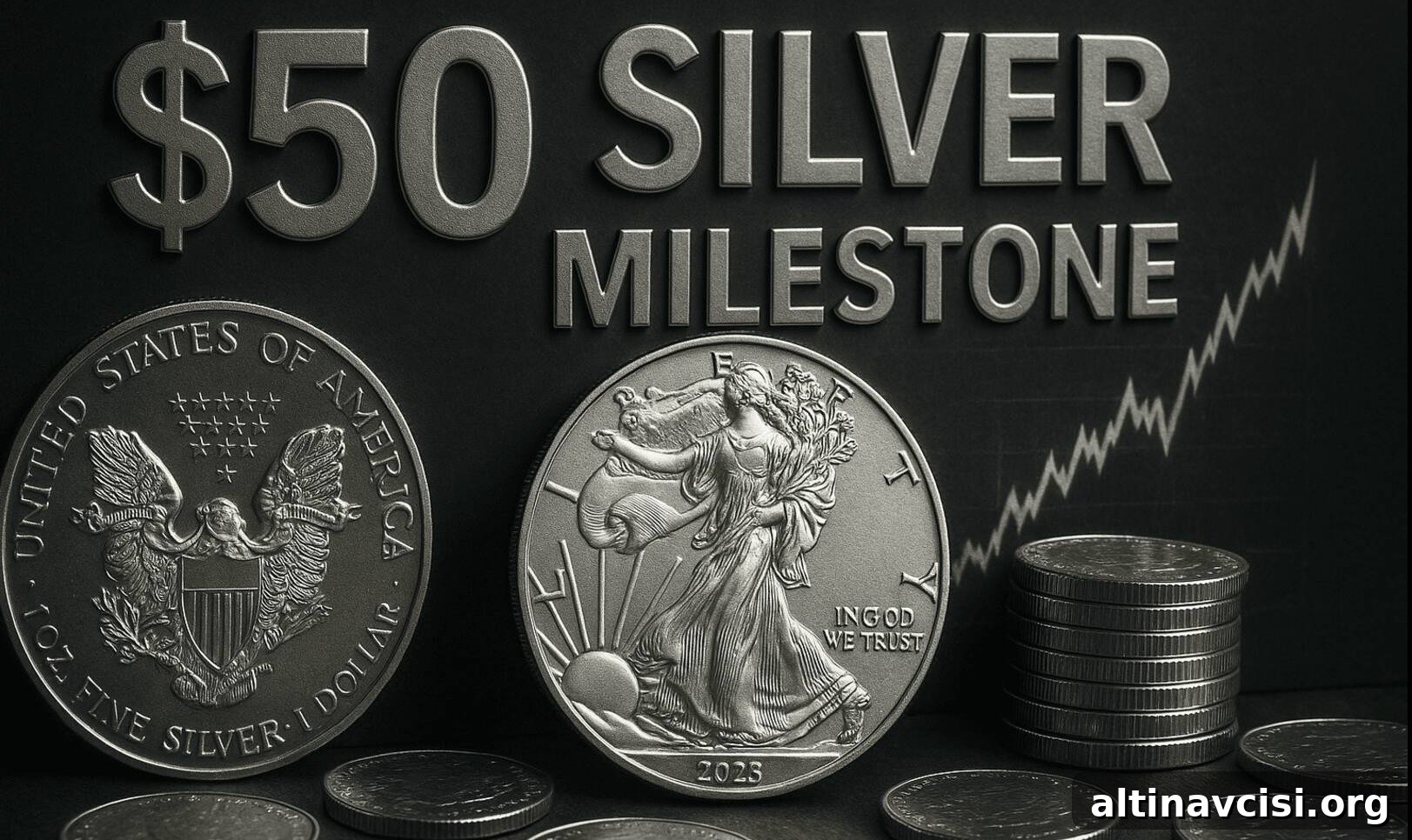
When silver breaks $50, it marks a major inflection point for precious metals. The last time silver traded above that level was 1980 — an era defined by the Hunt Brothers’ market squeeze, inflation near 14%, and widespread monetary and geopolitical instability.
Sound familiar?
Today’s backdrop is different in detail but similar in consequence: inflation may be cooling, yet purchasing power continues to erode; governments are running sizable deficits; and trust in central banks is fraying. Recent political interference with the Federal Reserve pushed safe-haven demand higher, helping gold exceed $3,400 and lifting silver to prices not seen in a generation.
Crucially, the current fundamentals are stronger than in 1980. Silver’s industrial role — in solar panels, AI infrastructure, and evolving energy systems — is expanding rapidly. Meanwhile, supply is constrained: global mining output has been essentially flat despite rising prices.
The Silver Surge: What’s Driving It Now
Silver’s recent breakout is no mere echo of gold’s move. It reflects several converging silver price drivers across monetary policy, industrial demand, and geopolitical realignment. Each force alone is significant; together they reshape silver’s investment case for 2025 and beyond.
Falling Real Rates, Rising Fear
The most traditional driver is real interest rates. With central banks facing slower growth and persistent inflation, nominal yields have declined faster than inflation expectations. That leaves real yields — returns adjusted for inflation — at negative levels once again.
Negative real yields favor precious metals. When cash loses purchasing power, investors seek assets that can’t be debased or defaulted on. Gold often leads the move, but silver’s smaller market and higher volatility tend to amplify gains during these cycles. As institutional demand for gold grows globally, silver is increasingly seen as the retail and industrial counterpart.
Industrial Demand: Solar, AI, and Electrification
Silver’s upside in 2025 is also technological. Solar installations, AI data centers, electric vehicles, and 5G infrastructure all rely on silver’s superior conductivity. Each megawatt of solar capacity consumes a notable amount of silver, and projected growth in solar capacity adds material industrial demand that didn’t exist in prior bull markets.
Although recycling technologies are improving — with advances that recover more silver from end-of-life panels — recycling has not yet offset growing industrial consumption. For now, demand outpaces mine production, tightening the market.
The East-West Financial Realignment
Geopolitics is another essential factor. An expanding East-West divide, reinforced by trade tensions, sanctions, and central-bank gold accumulation, is changing how wealth is stored. Emerging economies are diversifying away from the U.S. dollar and increasing bullion reserves, with China and India playing leading roles. As sovereigns favor gold for reserves, silver often follows within the private sector where it remains more accessible to households and individual investors.
Market liberalization in parts of Asia, including moves to open domestic precious-metal markets to private participants, may unlock additional demand from culturally gold- and silver-oriented populations.
Monetary Turbulence and Confidence
Confidence in monetary institutions matters. Recent events that raised questions about Fed independence revived concerns reminiscent of the 1970s, when policy credibility broke down and inflation expectations surged. Doubt about central-bank autonomy drives investors toward tangible assets, explaining price spikes in both gold and silver following high-profile political interventions. These reactions reflect deeper anxiety about fiat currencies, not just short-lived headlines.
A Tight Physical Market
Physical silver supplies remain historically tight. Market inventories are low and premiums on coins and bars have widened. Miners face rising costs and lower ore grades, making it difficult to meaningfully increase production despite higher prices. The result: structural demand growth that supply cannot quickly satisfy — a classic setup for a sustained bull market.
When Silver Breaks $50, It’s More Than a Chart Event
What unites these silver price drivers is that they are structural rather than cyclical. This rally looks less like a speculative bubble and more like a repricing of scarcity, trust, and real industrial need amid financial distortions.
When silver breaks $50, it signals a broader market reassessment driven by falling real yields, accelerating industrial demand, geopolitical fragmentation, and weakening confidence in paper money. Silver’s volatility means the path will be uneven, but each dip presents a potential buying opportunity for long-term investors who appreciate the fundamentals.
As gold moves higher and silver reaches new milestones, the story is not nostalgia for 1980 but the result of durable forces reshaping the market.

GoldSilver: Investing in Physical Metals Made Easy
GoldSilver enables investment in tangible precious metals with flexible options to buy, sell, store, and take delivery, giving investors full control.
Open an Account
People Also Ask
Why did silver break $50 for the first time since 1980?
Silver reached $50 in 2025 due to a combination of falling real rates, surging industrial demand from solar and AI, and rising investor skepticism toward central banks. These structural trends strengthened silver’s fundamentals.
What are the main silver price drivers in 2025?
Key drivers include negative real rates, geopolitical tensions, de-dollarization, and expanding industrial use in technology and energy — together making silver both a monetary and industrial asset.
How does silver compare to gold as an investment?
Gold is the traditional safe haven; silver tends to be more volatile and can offer greater upside in bull markets. Historically, silver often amplifies gold’s moves, acting as a leveraged counterpart.
Is silver’s rally sustainable, or is this another bubble?
Unlike the 1980 spike, the current rally is underpinned by structural factors — supply constraints, industrial growth, and shifts in global monetary dynamics — suggesting a durable repricing rather than a short-lived bubble.
How do rising industrial uses like solar and AI affect silver prices?
Industrial demand now consumes a large share of annual silver output. Growing needs from solar, EVs, and data centers outpace new mine supply, creating pressure on physical markets and supporting higher prices.
Get Gold & Silver Insights Direct to Your Inbox
Join investors who receive expert analysis, market updates, and exclusive offers delivered weekly.