Weaker Dollar, Falling Gold: A Bullish Signal
Gold and silver market update — April 23, 2026
Key Takeaways
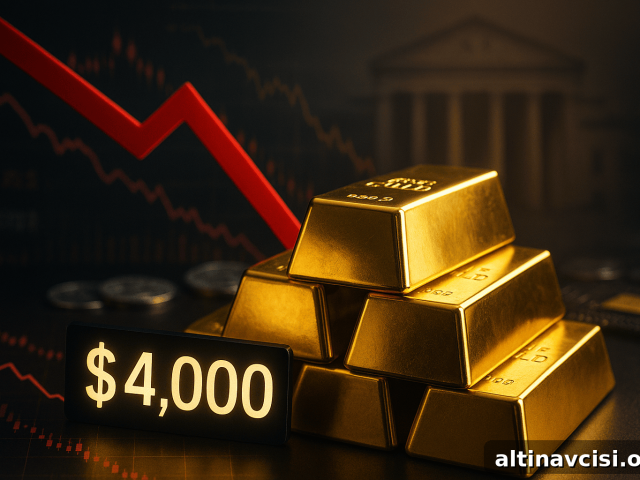
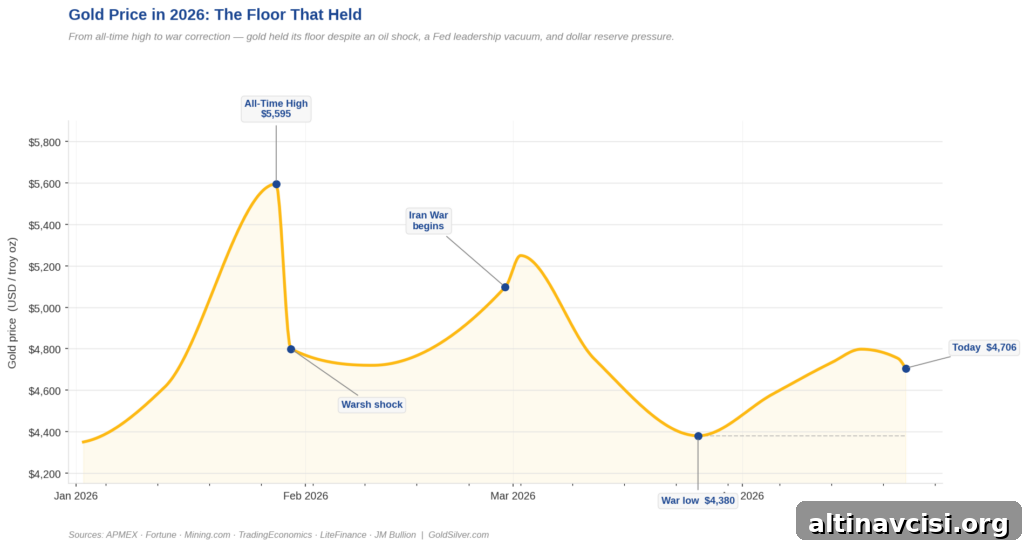
- Gold traded near $4,705 per ounce on April 23, 2026, sliding despite a temporary dollar interruption, the seizure of commercial vessels in the Strait of Hormuz, and uncertainty at the Federal Reserve. The decline reflects a specific chain of market reactions that many reports overlook.
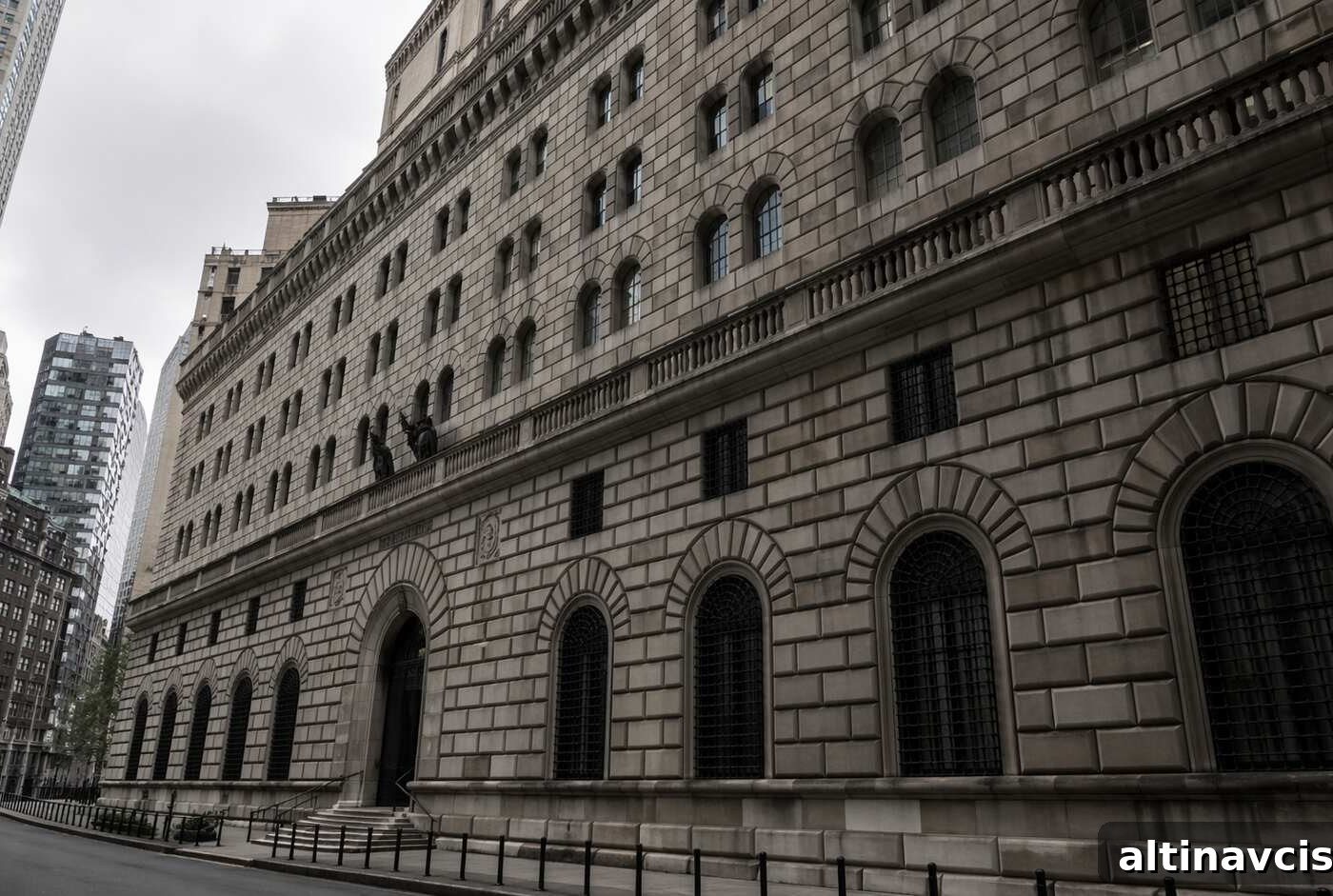
- The U.S. Treasury blocked nearly $500 million in Iraq’s own oil revenue held at the Federal Reserve Bank of New York. That action underscores how dollar-denominated flows can be halted by policy decisions, even when the funds belong to a U.S. partner.
- Central banks now hold roughly 36,000 tonnes of gold — about 17% of all gold ever mined, according to World Gold Council and IMF estimates — and have been net buyers for sixteen consecutive months. Those purchases are a rational response to a system in which reserve assets can be restricted by the issuer.
On April 22, U.S. authorities prevented the delivery of nearly $500 million in U.S. currency destined for Iraq’s central bank. Those funds were not foreign aid but Iraq’s own oil proceeds, held at the Federal Reserve Bank of New York under long-standing arrangements. The transfer was suspended as part of a pressure campaign related to Iranian-backed militias.
The same day, Iran seized two commercial ships in the Strait of Hormuz. Taken together — a dollar flow frozen, a Persian Gulf shipping disruption, and a Federal Reserve without a confirmed new chair — the events might be expected to push gold sharply higher. Instead, gold was trading lower. Understanding that divergence is important for investors and policy observers alike.
Why Did the US Block Iraq’s Dollar Shipments?
The U.S. Treasury’s action to block Iraq’s dollar shipment is structural in nature. These dollars represent revenue from oil sales, managed in New York under post-2003 arrangements that have given Washington practical control over Baghdad’s foreign reserves. By suspending the transfer, U.S. officials signaled that dollar-denominated assets can be curtailed by policy choices — not only against adversaries but against partners where U.S. strategic interests are engaged.
That signal matters for reserve managers worldwide. When countries witnessed Russia lose effective access to approximately $300 billion in foreign reserves in 2022, many central banks reassessed which assets they could truly control in a crisis. The result has been persistent gold buying: physical metal outside the reach of foreign jurisdictions is an obvious alternative to bank deposits and foreign-currency bonds that can be frozen or restricted.
The Edge Every Investor Needs
Smarter precious metals investing starts here. The Nuggets Newsletter delivers concise market updates, Fed developments, global trends, and educational material to help investors stay informed.
Why Is the Federal Reserve Still Without a Confirmed Leader?
The Federal Reserve was operating without a confirmed new chair at this time. That matters beyond formalities: leadership uncertainty at the Fed creates added political and market risk for the global dollar system.
President Trump nominated Kevin Warsh to replace Jerome Powell, but his confirmation was stalled in the Senate. At the same time, the Federal Open Market Committee was preparing to meet on April 28–29 to assess policy. Public pressure and presidential statements calling for near-term rate cuts create the appearance of fiscal influence over monetary policy — the classical condition known as fiscal dominance, where government financing needs constrain central bank decisions.
For markets, the key implication is that the next Fed chair may face limits on policy independence; monetary decisions could be shaped by fiscal and political priorities as much as by economic indicators.
Why Is Gold Falling If the Dollar Is Under Pressure?
Investors should remember that gold responds most directly to real yields — nominal interest rates adjusted for inflation — rather than to inflation alone.
Here’s the mechanism in brief: the Strait of Hormuz incidents pushed oil prices higher, which raised inflation expectations. Those higher expectations made it plausible that the Federal Reserve would keep policy rates elevated for longer, leaving nominal rates unchanged in the near term. Because inflation expectations rose alongside nominal yields, real yields remained positive. Positive real yields increase the opportunity cost of holding gold, especially paper gold instruments such as futures and ETFs, prompting some large investors to reduce exposure. That dynamic explains why gold fell even as geopolitical and dollar risks rose.
Importantly, this is a short-term effect driven by market positioning, rate expectations, and commodity prices. Over longer horizons, structural considerations — the fungibility and reach of dollar assets, and the desire for non-sovereign store-of-value holdings — support demand for physical gold.
What Does This Mean for Gold Investors Today?
The dollar’s role as the primary reserve currency does not collapse in a single announcement; it erodes through repeated policy choices that change how safe other countries and investors consider dollar assets to be. When a creditor can restrict access to reserves, counterparties re-evaluate which assets are dependable in a crisis. That reassessment is ongoing and helps explain sustained central-bank purchases of physical gold.
In the near term, gold’s price is shaped by market mechanics — oil shocks, inflation expectations, and real yields. Those forces can cause notable volatility. Over the medium to long term, institutional decisions about reserve management and the perceived reliability of dollar-denominated assets play a larger role in setting gold’s structural floor.
For investors, the distinction is important: short-term price movements reflect cyclical variables and positioning; the persistent demand from central banks reflects structural concerns about financial sovereignty and access to reserve assets.
Stay On Top of Gold & Silver Prices
Get important market alerts sent straight to your inbox.
SOURCES
TradingEconomics — Gold Price historical data and market coverage.
World Gold Council — Gold reserves by country and central bank behavior.
International Monetary Fund — International financial statistics and reserve reporting.
U.S. Energy Information Administration — Data on oil transit through the Strait of Hormuz.
Major international news outlets reporting on U.S. policy toward Iraqi reserves and on maritime incidents in the Gulf.
By the GoldSilver Editorial Team — helping investors understand sound money since 2005. This article is for informational purposes only and does not constitute financial, investment, or tax advice. Always consult a qualified financial advisor before making investment decisions.
You May Also Like:
- Why Chinese Silver Imports Hit a Record in 2026
- What Drives Gold Prices? 5 Forces Investors Are Watching Now
- The Gold-Silver Ratio Signal: What Silver’s Lead Means
- Gold Drops to $4,681 — Iran Ceasefire Expires Today
- The Real Reason Gold Is Down During an Oil War
- What the Warsh Hearing Means for Gold Prices
- IMF Says Treasuries Aren’t Safe Anymore. Gold Noticed First.
- Gold Price After Ceasefire Violation: The Floor Has Moved
Popular Topics
Picked from the archive
-
01
 Topics
Gold Coins vs Gold Bars: Compare Value, Liquidity and Costs
-
02
Topics
Silver Price Hits $50 as Morgan Stanley Allocates 20% to Gold
-
03
Topics
HSBC Survey: Investors Double Gold Allocations as Markets Falter
-
04
Topics
Wall Street Whiplash: Stocks Rally on CPI, Plunge on PPI Shock
-
05
Topics
Gold Price Support Shifts After Ceasefire Violation
-
06
Topics
Gold Prices Jump Past $4,000 as Fed Signals Rate Cut
-
07
Topics
Why Gold Is Outperforming Nvidia in 2025
-
08
Topics
High Earners Falling Behind on Credit Cards and Auto Loans