Waller, Bowman Could Dissent as Fed Holds Interest Rates Steady
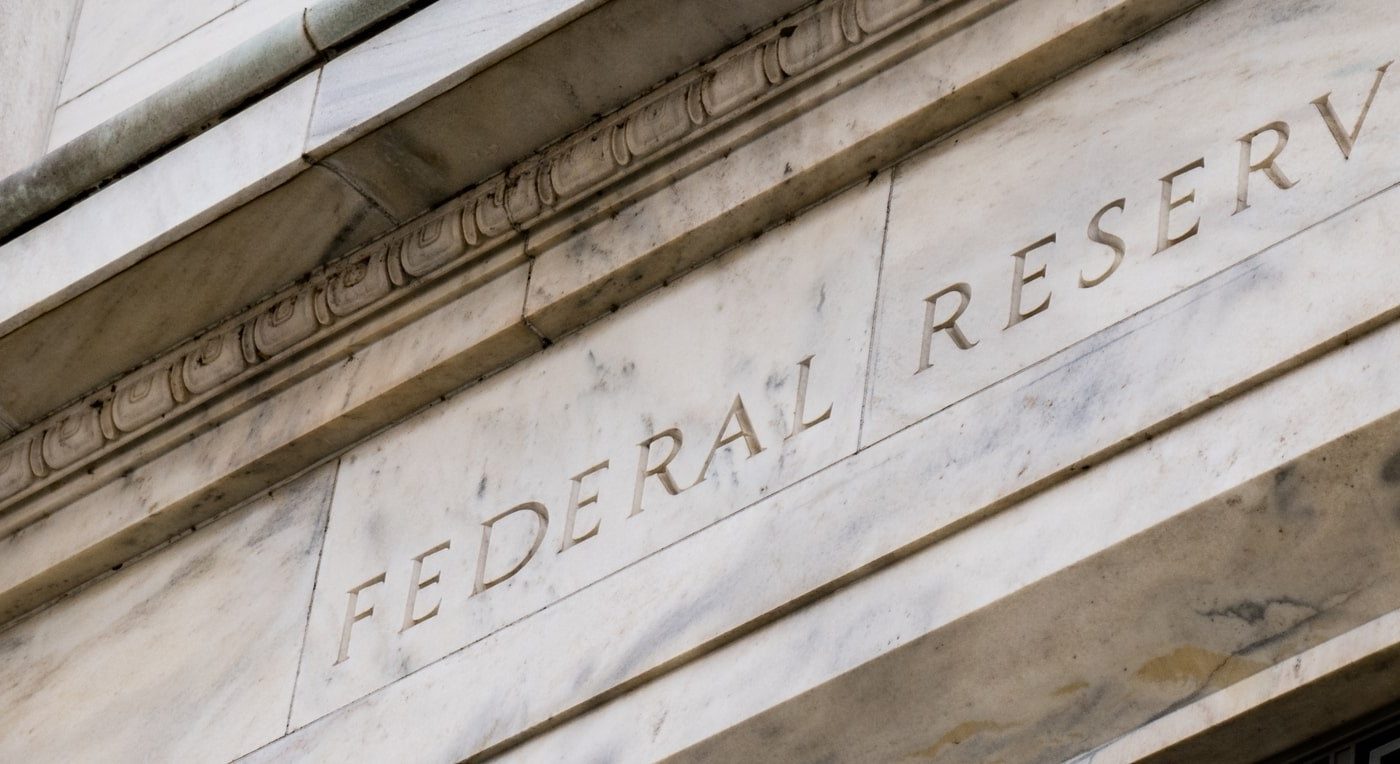
Fed Expected to Hold Rates as Two Governors Indicate Possible Push for Cuts
The Federal Reserve is widely expected to maintain its current interest-rate stance at the upcoming policy decision, but two governors, Christopher Waller and Michelle Bowman, have signaled they could dissent and advocate for cuts. Their position reflects broader concern among some policymakers about signs of a slowing economy and weakening labor market, alongside other pressures that could influence monetary policy choices.
Why Most Officials Favor Steady Rates
Many Fed officials view holding interest rates steady as the most appropriate course in the near term. This reflects a cautious approach: preserving the gains made in curbing inflation while monitoring incoming data on growth, employment, and price pressures. Staying on hold allows the central bank to evaluate whether recent trends represent transitory shifts or more persistent changes that would require a different policy path.
Why Some Governors Want Cuts Sooner
By contrast, Governors Christopher Waller and Michelle Bowman appear more inclined to lower borrowing costs sooner rather than later. Their reasoning, as summarized generally, centers on concerns that the pace of economic activity and hiring may be slowing enough to warrant easing. If the job market softens and growth cools materially, these governors may judge that modest rate reductions could help prevent a sharper downturn while still keeping inflation expectations anchored.
Implications of a Rare Division
A public split among Fed governors is relatively uncommon and highlights underlying uncertainty about the economy’s direction. Such a division can have several implications:
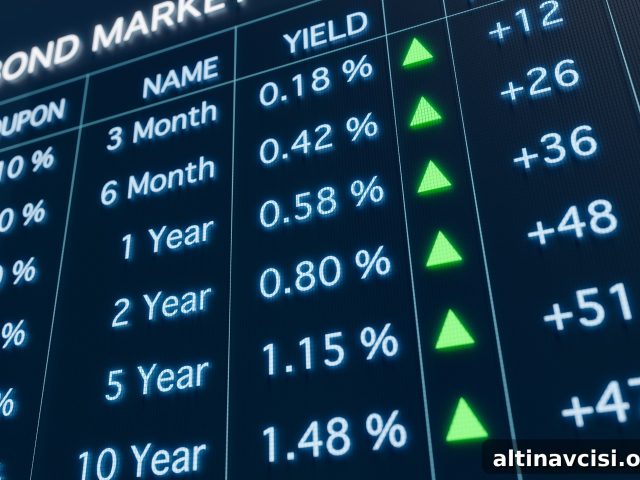
- Market volatility: Investors monitor any sign of disagreement for clues about future policy moves. A visible debate over cuts versus steady policy can drive short-term shifts in bond yields and equity prices.
- Policy communication: Dissenting views complicate the Fed’s effort to present a unified forward-looking message. Clear communication is essential for shaping expectations about inflation and growth.
- Decision-making dynamics: Divergent views can influence the deliberative process, prompting more extensive discussion of alternative scenarios and contingency plans.
Political and Institutional Context
Beyond purely economic considerations, political dynamics and leadership questions may also be weighing on policy choices. The prospect of selecting a Fed Chair in 2026 introduces an additional layer of jockeying and positioning among officials. While monetary policy is intended to be independent, appointments and leadership transitions naturally factor into how governors express their preferences and vote on policy actions.
What Rate Cuts Would Mean
Lowering the policy rate typically aims to reduce borrowing costs for businesses and households, encouraging spending and investment that can support growth and jobs. However, the timing and size of cuts involve trade-offs: easing too early could risk reigniting inflationary pressures, while waiting too long could allow a slowdown to deepen. These trade-offs help explain why some officials prefer a cautious wait-and-see approach while others favor preemptive easing.
Looking Ahead
As policymakers review incoming data on employment, consumer spending, and prices, the debate between holding steady and moving toward cuts is likely to continue. Observers will closely watch forthcoming economic indicators and Fed communications for signs of whether the rare division among governors will translate into policy shifts—or remain a temporary difference of opinion.
Ultimately, the Federal Reserve’s decisions will balance the goals of achieving price stability and supporting sustainable employment, while navigating the uncertainties of a changing economic landscape and evolving institutional dynamics ahead of the 2026 Fed Chair selection.
Popular Topics
Picked from the archive
-
01
 Topics
U.S. Jobs Surge Dims Chances of July Fed Rate Cut
-
02
Topics
Trump Imposes 50% Copper Tariff, Global Markets Reeling
-
03
Topics
Tariffs Drive Up Consumer Prices as Inflation Rises
-
04
Topics
Trump’s Big Beautiful Bill Clears House; Senate Vote Looms
-
05
Topics
Treasury Yields Jump After May Inflation Tops Estimates at 2.7%
-
06
Topics
Trump Threatens 100% Tariff on Chips to Revive U.S. Manufacturing
-
07
Topics
When Should You Start a Precious Metals IRA?
-
08
Topics
Cryptocurrency Prices Slide as Investors Exit Risk Assets