Invesco Quarterly Gold Report: Gold Performance Drivers

In its latest Quarterly Gold Report, Invesco analyzes how gold has performed recently alongside other investments and what macroeconomic forces have influenced its movement. The report focuses on the interaction between bond yields, the US Dollar, and inflation expectations—three major drivers that typically shape gold prices—and outlines the key indicators investors should monitor in the coming months.
How bond yields influence gold prices
Bond yields, particularly real yields on government debt, play a central role in gold pricing. Because gold does not pay interest, its relative attractiveness changes as yields rise or fall. When nominal and real yields climb, the opportunity cost of holding non-yielding gold tends to increase, which can weigh on prices. Conversely, lower yields reduce that opportunity cost and often support gold, especially during periods of uncertainty.
Investors should watch the trajectory of both nominal Treasury yields and inflation-adjusted (real) yields. Central bank policy, fiscal issuance, and market expectations about growth and inflation all feed into yield movements. Shifts in yields often happen quickly as economic data and policy guidance change, so monitoring yield curves and real yield indicators is a practical way to gauge potential pressure or support for gold.
The US Dollar’s impact on gold
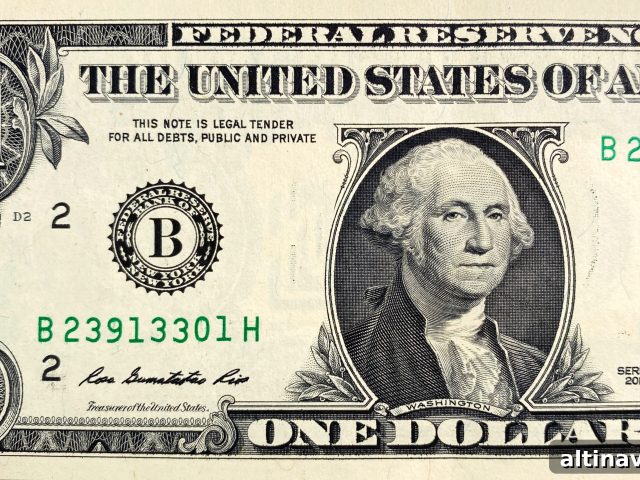
The US Dollar and gold typically move in opposite directions. Because the dollar is the primary currency in which gold is traded globally, a stronger dollar makes gold more expensive for holders of other currencies, which can reduce demand and put downward pressure on prices. A weaker dollar tends to have the opposite effect, supporting higher gold prices.
Key dollar drivers include US interest rate differentials, economic data, and global risk sentiment. Traders and investors should keep an eye on dollar index trends, cross-currency moves, and policy announcements from major central banks to understand potential shifts in gold demand stemming from currency effects.
Inflation expectations and gold’s role as an inflation hedge
Inflation expectations matter because they influence real returns on bonds and other assets. When inflation expectations rise without matching increases in nominal yields, real yields decline, typically boosting gold’s appeal as a store of value. Historically, investors have turned to gold as a hedge during periods of elevated or rising inflation expectations, although the timing and magnitude of the relationship can vary.
To assess inflation-related pressures on gold, investors should compare market-based inflation expectations—such as breakeven rates derived from nominal and inflation-linked bonds—with survey-based inflation forecasts and incoming economic data like consumer price indices. Changes in these signals can prompt reassessments of gold exposure.
Other factors that influence gold
- Monetary policy and central bank activity: Interest rate paths, quantitative easing, and central bank purchases or sales of gold all influence market sentiment and supply-demand dynamics.
- Safe-haven demand and geopolitical risk: Episodes of heightened market volatility or geopolitical tension often boost demand for gold as a safe-haven asset.
- Investment flows and market structure: ETF flows, futures positioning, and liquidity conditions can amplify price moves in either direction.
- Physical demand: Jewelry and industrial demand, along with central bank accumulation, affect underlying physical balances that provide long-term support to prices.
- Seasonality: Periodic patterns in demand, such as seasonal increases in jewelry purchases or festival-driven buying in certain regions, can contribute to predictable demand fluctuations.
What investors should watch over the coming months
Based on the themes highlighted in the report, investors should focus on a set of observable indicators to form a view on gold:
- Real and nominal government bond yields—particularly US Treasuries—and the shape of the yield curve.
- The US Dollar index and major currency movements that influence cross-border demand for gold.
- Market-based inflation expectations and incoming CPI/PCE data that could shift real yield dynamics.
- Central bank communications and actions, including rate decisions and balance sheet policies.
- ETF flows, futures positioning, and other indicators of investor demand and risk appetite.
- Geopolitical developments, financial market volatility, and conditions in credit markets that could trigger safe-haven buying.
Practical considerations for investors
For investors considering exposure to gold, the report’s framework suggests balancing short-term signals with long-term objectives. Gold can serve several roles in a portfolio—diversification, inflation protection, and a safe-haven hedge—but it is important to manage position size, liquidity needs, and the time horizon. Using a combination of physical holdings, ETFs, or other regulated investment vehicles can offer different tradeoffs in terms of storage, costs, and tradability.
Monitoring the suite of macro indicators described above—yields, the dollar, inflation expectations, and central bank behavior—can help investors make informed decisions about the timing and size of gold allocations. While no single factor guarantees performance, understanding how these variables interact provides a clearer framework for assessing gold’s potential direction in the months ahead.
Popular Topics
Picked from the archive
-
01
 Topics
Silver Prices Jump 35% YTD as Rally Accelerates
-
02
Topics
David Einhorn: Why Gold Prices Keep Rising – Not Inflation
-
03
Topics
Survey Predicts Silver Price Could Reach $41 Despite Volatility
-
04
Topics
US-EU Deal Sets 15% Tariffs; China Truce to Continue
-
05
Topics
Wall Street Reacts to Inflation, Earnings and Trade Policy
-
06
Topics
Gold Drops 1.5% After Fed Holds Rates Steady
-
07
Topics
Fed Rate-Cut Bets Lift Gold as Silver Tops 13-Year High
-
08
Topics
Gold Price Jumps 1% as Investors Seek Safe-Haven Assets