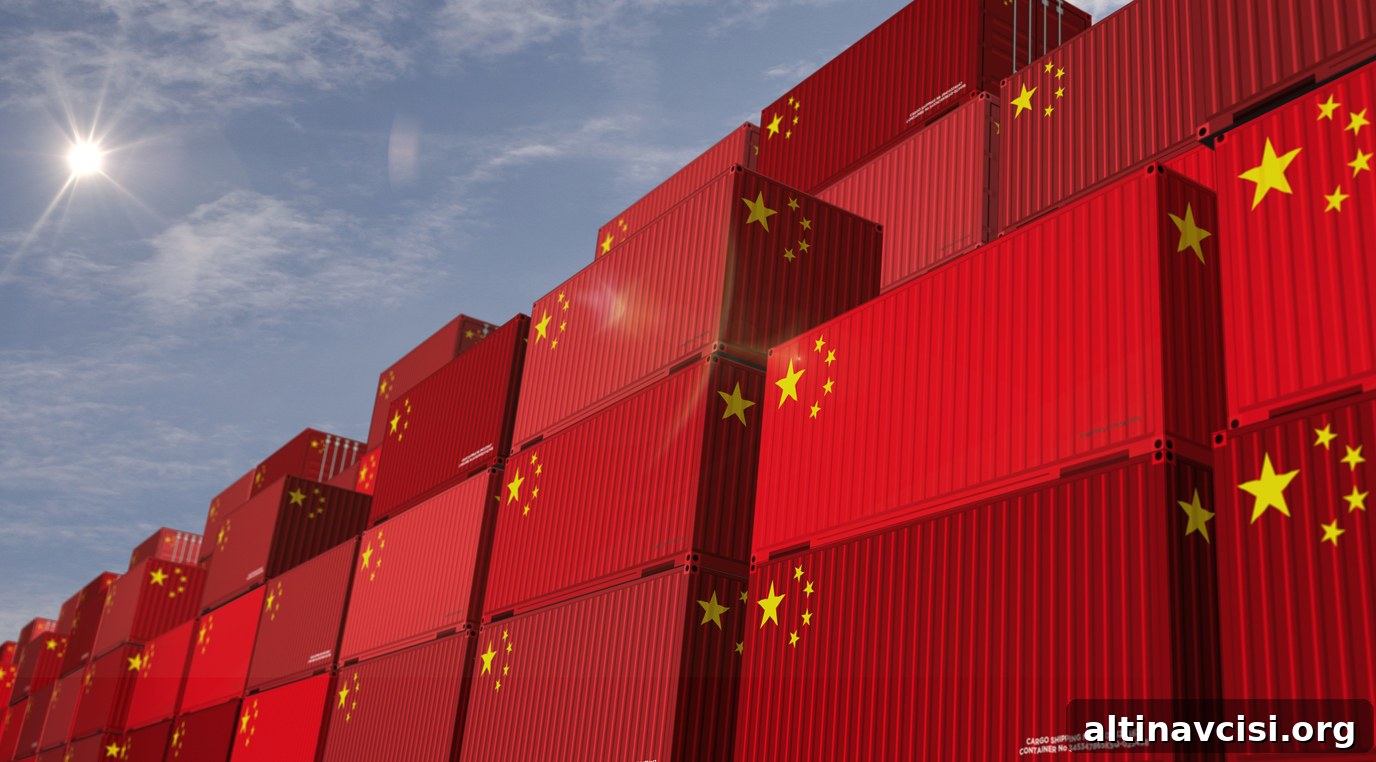
The United States is urging trading partners to limit Chinese content in their supply chains as part of a series of new trade agreements. With a July 9 deadline approaching, nations must either accept U.S. terms or face the prospect of substantial tariffs on goods that don’t meet the new rules.
Key developments:
India is negotiating the threshold for products to qualify as “Made in India,” with the U.S. pushing for a 60% local content requirement while India proposes 35%.
Vietnam could face tiered tariffs of up to 20% tied to the share of Chinese components in exported goods.
Taiwan and South Korea are enforcing measures to prevent Chinese-made items from being rerouted through their territories.
The European Union is experiencing pressure to adopt stringent supply-chain rules similar to those recently negotiated between the U.S. and the U.K.
The implications are significant. Governments must weigh continued access to the U.S. market against long-established economic relationships with China, which remains a major trading partner for many countries in the region. Beijing has warned it will “resolutely counter” agreements that it views as harmful to its interests, intensifying the diplomatic and economic dilemma facing nations caught between the two powers.
For countries negotiating these arrangements, the choices involve careful trade-offs. Agreeing to higher local content thresholds or stricter sourcing rules can protect access to lucrative U.S. markets and may encourage domestic investment in manufacturing and supply-chain resilience. However, stricter rules risk disrupting existing trade flows with China, raising costs for manufacturers that rely on Chinese parts, and provoking retaliatory measures from Beijing.
India’s talks illustrate that balancing act. A lower threshold like 35% would allow more existing supply chains to qualify for preferential access, supporting current manufacturers and exporters. A 60% requirement would compel larger shifts in sourcing and production, likely prompting investment in domestic or alternative regional suppliers but also increasing short-term compliance costs for exporters.
Vietnam faces a similar choice, with tiered tariffs designed to incentivize lower reliance on Chinese inputs. For export-heavy economies, such tariffs could lead companies to redesign supply chains, diversify suppliers, or invest in local component production to avoid higher charges. These shifts could benefit regional economies in the long term but produce short-term friction and investment needs.
Taiwan and South Korea’s actions to block rerouting of Chinese goods highlight another enforcement dimension: preventing circumvention of rules by transshipping components or finished products through third countries. Effective enforcement requires customs coordination, stronger documentation, and possibly new verification mechanisms to ensure compliance.
The EU’s potential alignment with these measures would signal a broader transatlantic push to reshape global supply chains with a stronger focus on trusted sourcing. That could amplify pressure on companies to disclose supply-chain origins and reconfigure procurement strategies, affecting industries from electronics to automotive to pharmaceuticals.
Ultimately, the coming weeks will test how governments prioritize market access, economic security, and diplomatic relations. Countries must evaluate the costs and benefits of tighter sourcing requirements and whether their industries can adapt quickly enough. The decisions made now will influence trade patterns, investment flows, and geopolitical alliances for years to come.