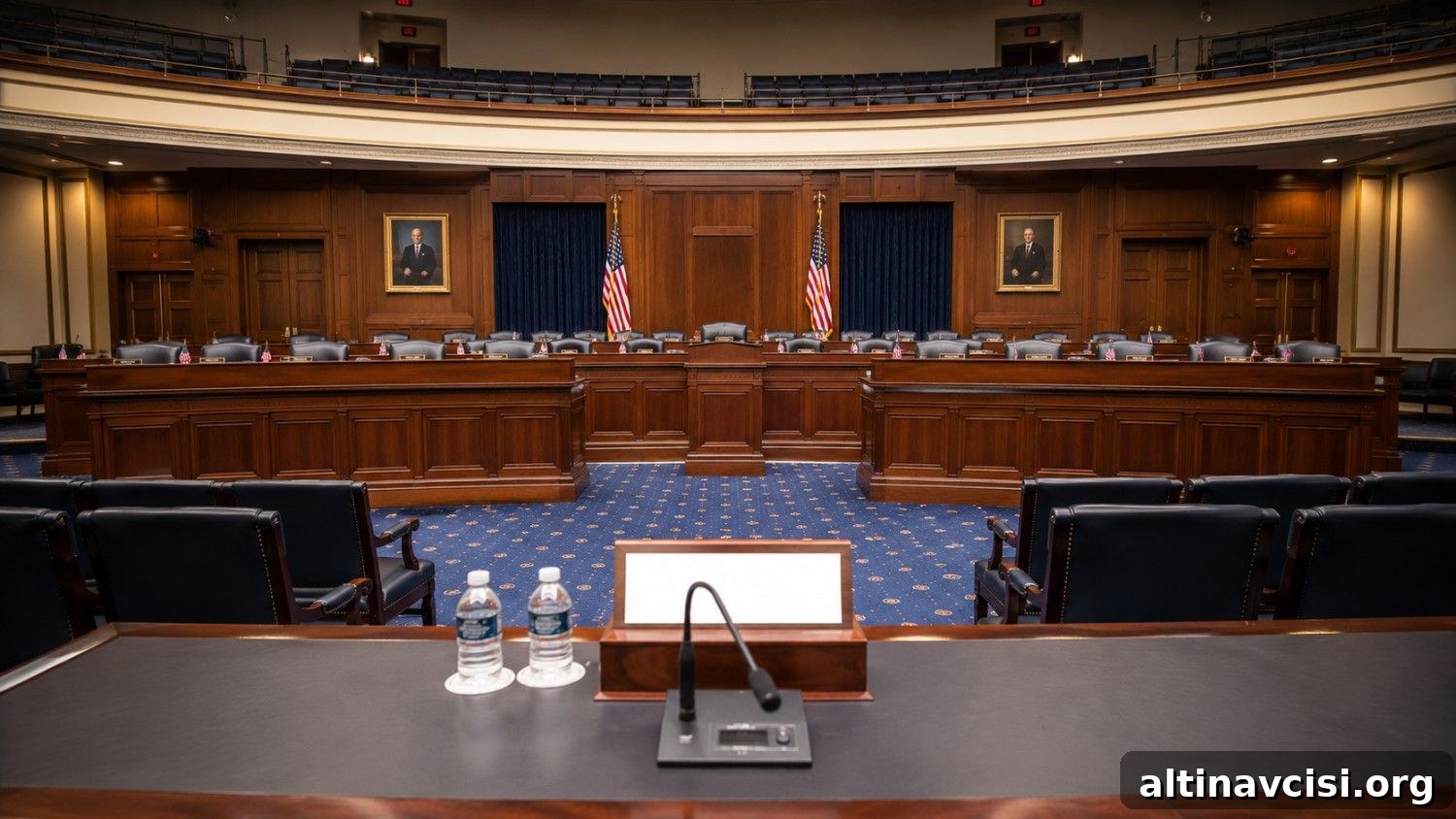
Monday morning brings two decisive events that are likely to shape the gold price outlook for the remainder of 2026. First, the June Consumer Price Index (CPI) is released at 8:30 AM ET on July 14 by the Bureau of Labor Statistics. Ninety minutes later, Federal Reserve Chair Kevin Warsh will testify before the House Financial Services Committee—his first monetary policy testimony to Congress. Together, the CPI release and Warsh’s testimony form a compact, high-impact window that could determine whether precious metals continue to recover or surrender recent gains.
Today gold trades around $4,134, up roughly 1.4% after the dollar eased following last week’s selloff. Silver sits near $60.58, gaining close to 3.7%. Both metals are attempting to rebound from a sharp combination of hawkish FOMC minutes and renewed geopolitical tensions that pressured markets on July 8. That recovery appears genuine, but it is fragile: the next several days will test its durability.
Why the CPI Report Has Such a Big Impact on Gold
Gold’s reaction to CPI is rarely about the inflation number itself; it’s about what that number implies for Federal Reserve policy and real yields. The transmission is straightforward: a hotter-than-expected CPI increases the odds of a Fed rate hike, pushing nominal Treasury yields higher. If nominal yields rise more than inflation expectations, real yields increase, and the opportunity cost of holding non‑yielding gold goes up, putting downward pressure on price. Conversely, a softer CPI reduces hike odds, lowers real yields and typically supports higher gold prices.
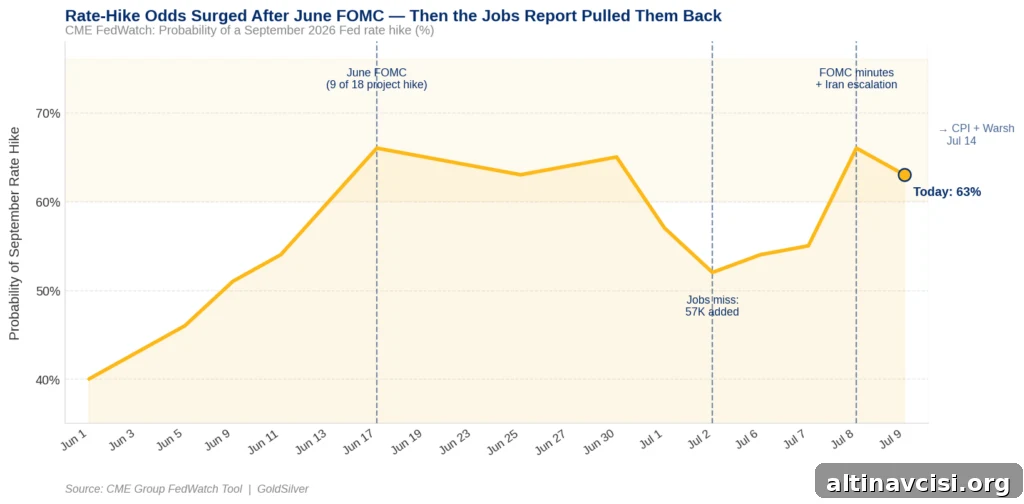
May’s CPI at 4.2% year-over-year was a key factor behind the Fed’s hawkish turn in June, convincing half of the voting members to expect at least one rate increase this year. That shift pushed market odds for a September hike from roughly 40% in early June to over 66% by mid-June. Recent FOMC minutes reinforced the split among policymakers and kept September probability estimates elevated. The 10-year Treasury yield has traded near 4.58%, reflecting persistent market expectations that the Fed may still act if inflation stays stubborn.
Three Plausible Scenarios for Gold on July 14
The June CPI release should produce one of three distinct outcomes for gold. All follow the same real‑yield logic but point the market in different directions.
Hot (above ~4.0%): September hike odds rise toward 65–70%. Real yields climb and gold comes under renewed pressure, testing support below $4,100. A hot print would leave Warsh little reason to adopt a dovish tone in Congress.
In-line (about 3.8–4.0%): Little immediate repricing. Gold is likely to hold roughly between $4,100 and $4,200 while investors focus on Warsh’s language for further direction.
Cool (below ~3.7%): Odds of a September hike contract significantly. Real yields fall and gold could rally toward $4,300–$4,400 even before Warsh testifies. A sustained cool CPI would bring longer-term upside targets back into view.
Why Warsh’s Testimony Is Important in Its Own Right
Warsh’s remarks matter beyond the CPI number because the market lacks a clear view of his individual rate outlook. He was the first Fed chair in 14 years not to publish a personal projection on the dot plot, leaving traders and investors without a direct signal of his threshold for action. His testimony before the House is the best public opportunity to gauge whether he views last month’s weaker jobs print as a sign of labor-market cooling or simply noise. Market participants will parse his answers for clues on the conditions that would trigger a pause or another hike at the July FOMC meeting.
He appears before the Senate Banking Committee on July 15 as well, offering a second opportunity for clarification. Together, the two sessions could amplify or temper the price moves triggered by the CPI release, making this an unusually information-rich stretch for gold traders.
Major banks have already adjusted near-term gold forecasts after the Fed’s hawkish pivot and a stronger dollar. Some firms trimmed average 2026 predictions, but most emphasize that these cuts reflect a short-term repricing rather than a reversal of gold’s structural case: fiscal deficits, rising sovereign debt costs and reserve diversification remain supportive over a longer horizon.
What This Means for Gold’s Structural Case
The events of July 14 underscore a key reality: short-term rate policy is the dominant driver of near‑term gold price moves, but it operates within limits set by fiscal dynamics. The Fed can tighten to slow inflation, but that tightening raises government interest costs and adds to the debt burden. Each rate increase can increase annual interest payments by substantial amounts, creating a tension between monetary policy and fiscal sustainability.
At the same time, long-term reserve managers continue to accumulate physical gold. For example, the People’s Bank of China extended a buying streak, adding almost 15 tonnes in June. Sophisticated buyers are making multi‑year reserve decisions, not trading day-to-day CPI prints. That divergence—short-term traders reacting to rate signals while long-term holders accumulate on dips—is the central dynamic of 2026. Eventually those forces will converge; the question is which time horizon the market will price.
Key Dates for Gold Investors This Week
Note three critical dates: June CPI on Monday, July 14 at 8:30 AM ET; Warsh’s House testimony the same morning at 10:00 AM ET; and his Senate testimony on July 15. These events will likely determine whether gold continues its recovery or falls back under pressure. Investors should watch CPI details, market-implied Fed probability moves, Treasury yields and the tone Warsh uses when discussing labor-market strength and inflation risks.
Stay On Top of Gold & Silver Prices
Receive timely market alerts and updates delivered to your inbox.
Disclaimer: This article is for informational purposes only and does not constitute financial or investment advice. Consult a qualified financial professional before making investment decisions.
You May Also Like:
- Bank of America Cut Its Gold Forecast. The Reason Is More Bullish Than It Looks.
- The Fed Is Split 9 to 8. Gold and Silver Are Paying the Price — Until July 14.
- Gold Is Sitting on $4,000. The World Gold Council Has a Model for What Happens Next.
- Trump Called the Deal Dead. Oil Jumped 6%. Gold Fell. Here Is Why Both Moves Make Perfect Sense.
- China Just Bought Its Most Gold Since 2023. It Did So During a Quarter When Gold Fell Sharply.
- Iran Struck the Mediator’s Tanker. Gold Fell. The Market Reaction Unfolded Over Several Days.