
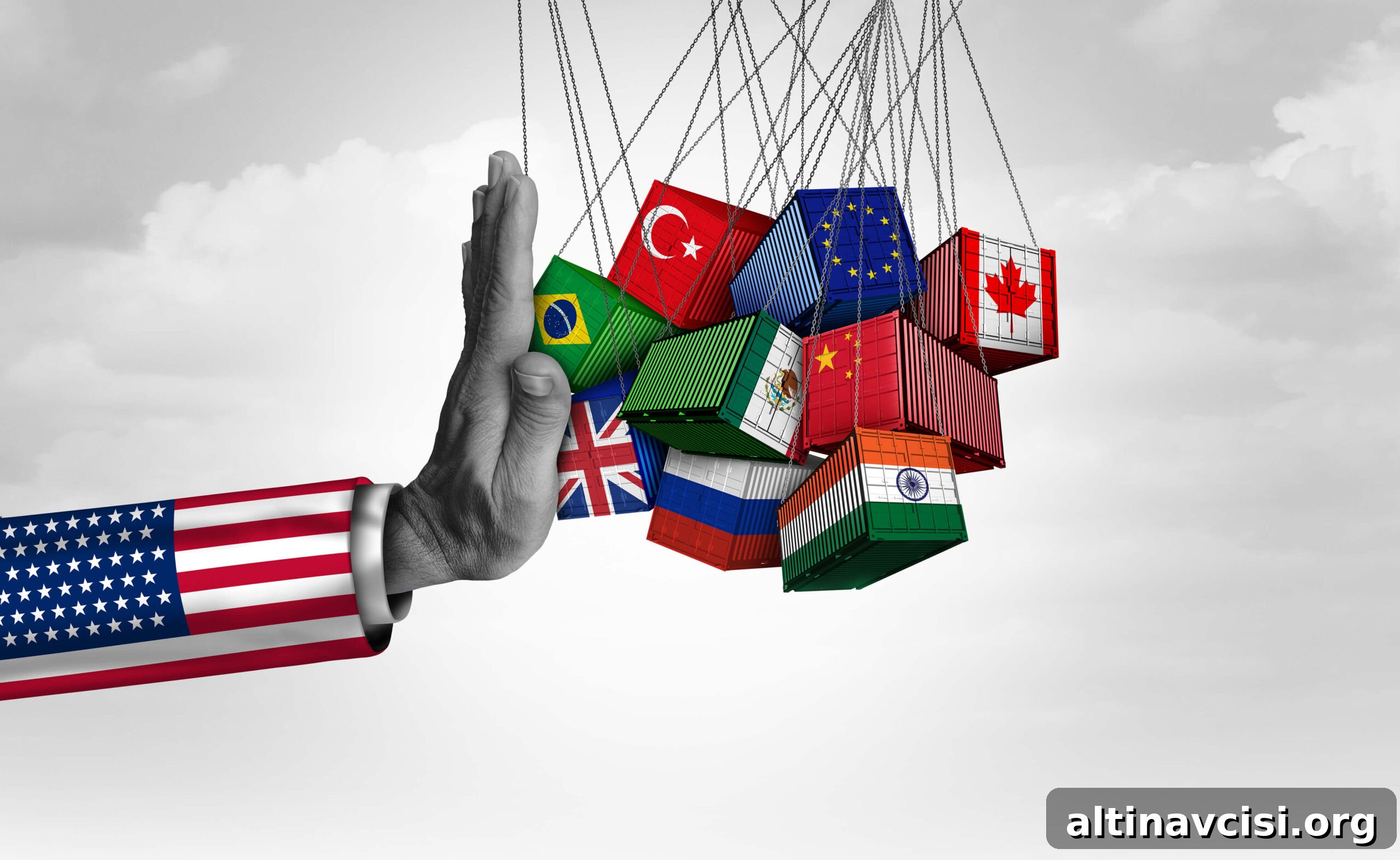
President Trump has announced a 50% tariff on imported copper and said additional tariffs are forthcoming, with steep levies reportedly planned for semiconductors and pharmaceuticals.
U.S. copper prices surged more than 10% following the announcement, and trade partners such as Japan and South Korea are assessing the implications and preparing responses.
Trump stated that negotiations with the European Union and China are underway, but markets remain uneasy as the administration expands its trade agenda without detailed timelines or clear implementation plans.
Analysts warn that a sudden jump in import duties on key industrial inputs like copper could disrupt supply chains and raise production costs across multiple sectors, from electronics to construction. Higher raw-material prices typically filter through to finished goods, potentially increasing inflationary pressures for consumers and businesses alike.
Semiconductors and pharmaceuticals are central to modern industry and national security, so proposed tariffs on those sectors could trigger swift political and economic reactions. Countries with significant semiconductor manufacturing capacity and pharmaceutical exports are likely to evaluate countermeasures, negotiations, or legal challenges through international trade bodies.
Financial markets reacted quickly to the tariff announcement. Besides the immediate spike in copper futures, investors are watching currency moves and equity markets for signs of broader risk aversion. Commodity-sensitive stocks and industries that rely heavily on imported materials are particularly vulnerable to sudden shifts in trade policy.
Government officials from affected countries have not yet released coordinated responses, but diplomatic consultations are expected. Trade disruptions can lead to expedited talks, retaliatory tariffs, or appeals to the World Trade Organization if nations view the measures as violating existing agreements.
Business leaders are likely to revisit sourcing strategies and supply-chain resilience plans. Companies may accelerate diversification of suppliers, increase inventory buffers, or invest in domestic alternatives to reduce exposure to abrupt policy shifts. Such adjustments, however, take time and can raise costs in the near term.
Observers note that clarity and predictability are crucial for markets and businesses. Sudden trade policy changes without detailed guidance on scope, exemptions, or phased implementation make it harder for firms to plan and for markets to price risk accurately.
As negotiations continue with the EU and China, stakeholders will be watching for specifics: which product lines are targeted, how exemptions will be handled, whether tariffs will be applied temporarily or permanently, and what enforcement mechanisms will be used. Each of these details will shape the economic and political fallout of the announced measures.
For now, the tariff announcement has introduced uncertainty into global trade dynamics. The coming days and weeks will determine whether this move leads to broader escalation, negotiated settlements, or targeted adjustments that limit disruption while addressing the administration’s stated trade objectives.