
Daily News Nuggets | Today’s top stories for gold and silver investors
March 11th, 2026 | Brandon Sauerwein, Editor
February CPI: A Pre-War Snapshot
The February 2026 CPI report arrived largely as expected, providing a clear baseline before recent geopolitical events altered the outlook. Headline inflation remained at 2.4% year-over-year, with prices up 0.3% on a seasonally adjusted monthly basis. Core CPI, which excludes food and energy, rose 0.2% for the month and held at 2.5% annually — slightly cooler than some forecasts.
Across components, food prices increased 0.4% for the month and 3.1% year-over-year. Shelter costs edged up 0.2%, while used car prices continued to fall, down 0.4%. Energy rose 0.6% for the month — its first increase since a 1.5% drop in January — with natural gas up 3.1% and gasoline up 0.8% before seasonal adjustment.
Crucially, the survey window for this CPI release closed before the U.S.-Israel strikes on Iran began on February 28. That means the shock to oil and fuel prices triggered by the conflict does not appear in these figures. Analysts note the full impact will be reflected in March and April data, making this report a pre-war snapshot rather than a picture of the current inflation trajectory.
Market forecasters, including Goldman Sachs, warn that sustained higher oil prices could push headline inflation toward 3% by year-end. For now, this CPI release offers a clean baseline — but the true inflation story may unfold over the coming months as energy costs and supply disruptions are incorporated into official statistics.
The Edge Every Investor Needs
Smarter precious metals investing starts here. The Nuggets Newsletter brings you essential market insights, Fed updates, global trends, educational videos, and timely analysis to help you stay informed.
Inflation’s Calm Before the Storm
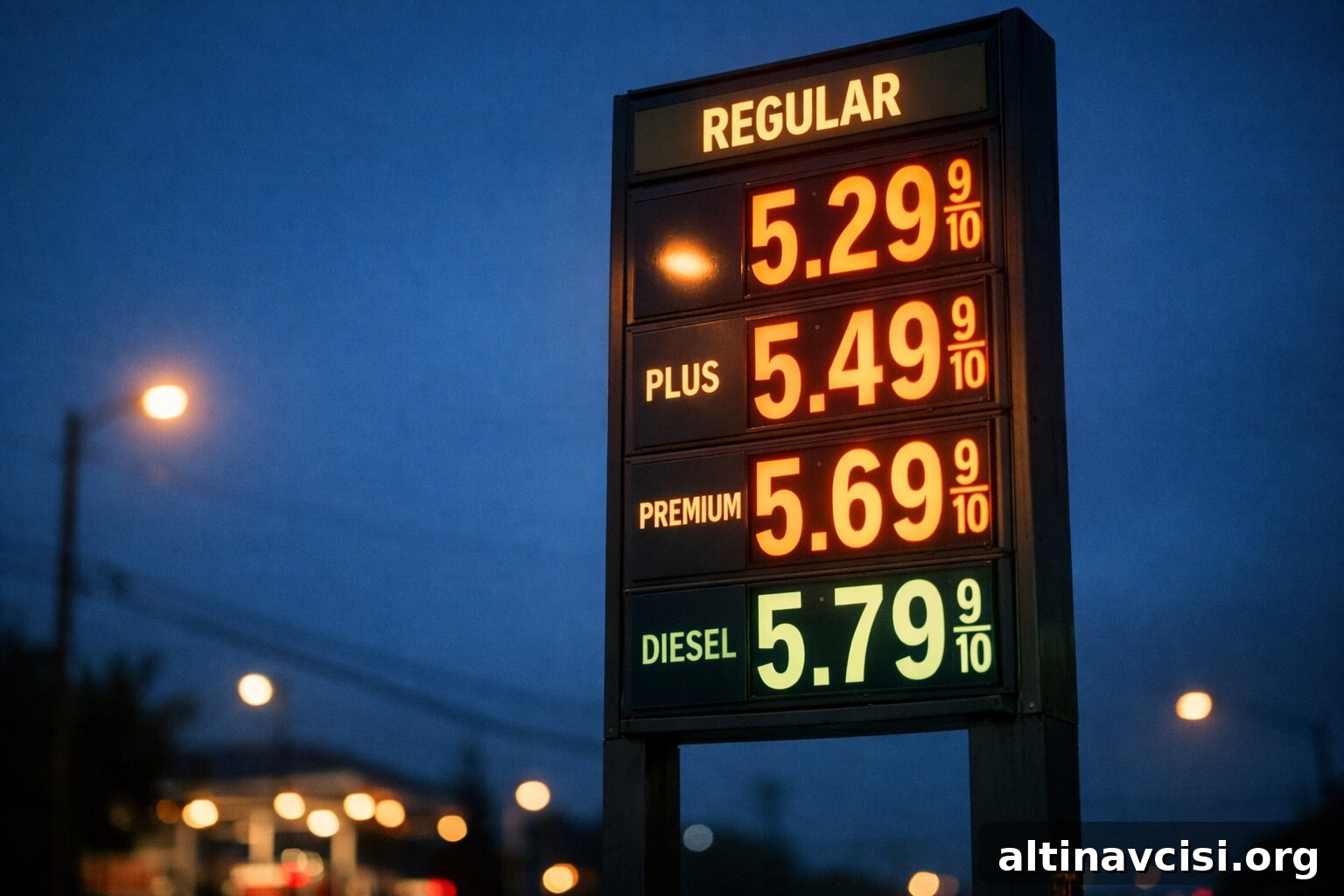
That apparent calm may be short-lived. In the weeks after the CPI survey window closed, gasoline prices surged nearly 19% in some measurements as oil markets reacted to the conflict in the Persian Gulf. Because the February CPI data predates those events, the full inflationary consequences will show up in subsequent releases.
The Strait of Hormuz is the central concern. It handles a large share of Persian Gulf oil exports and has faced disruptions, briefly sending crude toward nearly $120 a barrel before retreating. Even after pullbacks, further incidents — including attacks on commercial vessels — keep the region volatile. If higher oil prices persist, headline inflation could reaccelerate, complicating an economic backdrop that already includes a cooling labor market.
For policymakers, this creates a difficult trade-off. A weakening job market argues for interest-rate cuts to support growth, while an oil-driven resurgence in inflation argues for holding rates steady or delaying easing. Those conflicting forces make the Fed’s decisions and forward guidance especially important for markets and for gold’s outlook.
The Bond Market’s Worst Week Since Liberation Day
U.S. Treasuries endured their sharpest weekly rout since the turbulent “Liberation Day” period, driven primarily by the spike in oil prices after February 28. As crude surged, inflation expectations rose and the safe-haven bid for longer-duration government bonds weakened.
The 10-year Treasury yield jumped about 10 basis points in a single session, touching roughly 4.03% — the largest one-day move since October. WTI crude recorded a dramatic weekly gain, the biggest in decades, and five-year inflation breakevens moved higher, reflecting rising expectations for future inflation.
Now the bond market faces competing pressures: oil-driven inflationary forces that push yields up versus an economic slowdown that pulls them down. Large institutions are adjusting exposure accordingly, with some reducing duration and others favoring intermediate maturities while they reassess the outlook.
Ray Dalio: “There Is Only One Gold”
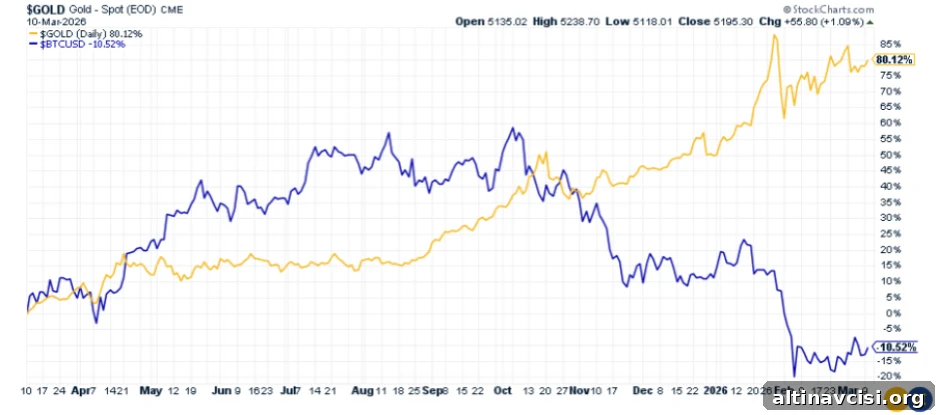
On the All-In Podcast, Bridgewater founder Ray Dalio rejected the notion that gold and bitcoin are interchangeable hedges. He argued that investors overlook a key structural difference: central banks hold large quantities of gold in official reserves, but they do not hold bitcoin.
That distinction matters when markets deteriorate. Over the past year, gold has significantly outperformed bitcoin, highlighting divergent behavior during stress periods. Dalio says gold absorbs safe-haven flows and serves as a portfolio diversifier tied to central-bank balance sheets, not as a speculative trade.
His recommendation is straightforward: maintain a strategic allocation to gold — roughly 5% to 15% of a portfolio — as a long-term hedge rather than a short-term bet. In Dalio’s view, gold’s role is protection and diversification when financial and geopolitical risks increase.
🗓️ Coming This Week
Key data this week includes initial jobless claims on Thursday and the second estimate of Q4 GDP on Friday. The Fed meets on March 18, and markets are pricing a high probability of no policy-rate change. The headline question for markets is less about whether rates move this week and more about how the Fed frames the trade-off between a softening labor market and any renewed inflation pressure from higher energy costs.
For gold investors, that mix — rising inflation risks alongside economic softness — is the kind of environment where the metal often outperforms, as it benefits from uncertainty and inflation hedging demand.
Stay On Top of Gold & Silver Prices
Get important market alerts sent straight to your inbox.
You May Also Like
- Ray Dalio Says Gold Is Still “The Safest Money”
- The CPI Report and Gold: Why Inflation Data Moves the Metal
- Gold Price Today: Why This Week’s News May Be Bullish for Gold
- Gold Price Outlook: What Could Push Gold to $6,300
- Gold and Silver Prices Today: Iran, Oil, and a $1.3B Bet